A federal judge in Virginia extended her block on the Trump administration’s proposed $1.8 billion anti-weaponization fund on Friday, June 12, 2026, expressing frustration that the Department of Justice has not clarified under penalty of perjury whether the fund has been abandoned. Judge Leonie Brinkema of the Eastern District of Virginia granted a preliminary injunction blocking the fund until further notice.
The ruling came after weeks of conflicting statements from administration officials about the future of the controversial fund, which was intended to compensate individuals who the administration claims suffered from weaponization and lawfare by the federal government.
Court Demands Sworn Statements From Top Officials
Judge Brinkema gave the government one week to provide sworn declarations from acting Attorney General Todd Blanche and Treasury Secretary Scott Bessent stating under penalty of perjury that the fund is dead. The judge made clear her frustration with the lack of definitive answers from the Justice Department.
During the court proceedings, Judge Brinkema stated, “I can not believe, given the significance, you don’t have an answer.” She also noted that “there’s a huge gap in the record” regarding the administration’s intentions for the fund.
Justice Department attorney Andrew Block told the court, “I don’t have the ability to speak directly to the attorney general,” when pressed about the fund’s status.
Conflicting Statements Create Confusion
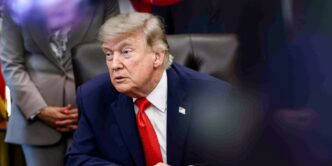
Earlier this month, acting Attorney General Todd Blanche told House lawmakers definitively, “We’re not moving forward with the fund, period.” However, President Trump subsequently muddied the waters when asked by NBC News journalist Kristen Welker whether the fund was on hold or eliminated.
“I don’t know,” Trump responded.
The president later made additional comments that the judge found significant. Trump stated, “I think the weaponization fund is a great idea, and so do many other Republicans. You have to get it approved. If they get it approved, that’s great. If they don’t get it approved, I’d be disappointed.”
Judge Brinkema referenced these remarks in her ruling, noting, “when the president of the United States says he’s going to be pretty upset if something happens, that’s a pretty good incentive.”
Evidence of Continued Activity
The court received evidence that an application to the fund was submitted to the federal court in Alexandria and was returned to sender. Judge Brinkema noted during the proceedings, “We’re not accepting applications,” indicating that some individuals had attempted to access the fund despite uncertainty about its operational status.
Former federal prosecutor Andrew Floyd, one of the plaintiffs in the case, cited the figure of $1.776 billion when discussing the amount of taxpayer money at stake.
What We Know So Far
The anti-weaponization fund was proposed as a $1.8 billion initiative to pay individuals who the administration claimed suffered from weaponization and lawfare by the federal government. The fund faced immediate legal challenges from advocacy groups and former federal prosecutors.
The Department of Justice has not formally rescinded the memo that created the fund, despite Blanche’s congressional testimony suggesting the initiative was not moving forward. The lack of formal action has left the legal status of the fund in limbo.
The preliminary injunction now blocks the fund indefinitely until the court receives the sworn declarations it requested or makes a further ruling on the matter.
What Happens Next
The government has one week from the June 12 ruling to provide declarations from acting Attorney General Todd Blanche and Treasury Secretary Scott Bessent stating under penalty of perjury that the fund is dead. If the administration fails to provide these declarations, or if the declarations indicate the fund remains viable, the court could take additional action.
The plaintiffs have indicated they intend to continue their legal challenge regardless of the administration’s next steps.
Reactions to the Ruling
Skye Perryman, President and CEO of Democracy Forward, released a statement following the ruling: “Despite the administration’s shifting explanations about the future of the slush fund, the court’s order ensures that taxpayer dollars cannot be distributed through this unlawful scheme while the courts fully consider the serious constitutional issues at stake. We look forward to continuing this challenge on behalf of our clients.”
Omar Noureldin, Common Cause senior vice president for policy and litigation, called the ruling “a massive win.” He stated, “Today’s ruling is a massive win, ensuring hard-earned tax dollars stay out of the hands of the President’s cronies and people who violently assaulted law enforcement on January 6 while we’re securing justice for American taxpayers in court. We’ve successfully locked the President’s personal slush fund for now, and we’ll keep the pressure on until it’s shut down for good.”
Former federal prosecutor Andrew Floyd, also a plaintiff in the case, said, “I’m heartened that the injunction continues to prevent $1.776 billion in taxpayer money from being used to pay off those who attacked our democracy. I will continue this litigation to ensure that this unconstitutional fund does not erase the accountability imposed by judges and impartial jurors — and the hard-earned work of the victims, witnesses, law enforcement officers, and prosecutors who delivered it.”
Important Details
The case is being heard in the Eastern District of Virginia in Alexandria. Judge Leonie Brinkema has expressed repeated frustration with the administration’s unclear position on the fund throughout the proceedings.
The fund references events of January 6, 2021, with some plaintiffs specifically concerned about potential payments to individuals connected to those events.
The preliminary injunction remains in effect until the court issues a further order, which could come after the one-week deadline for the government to provide sworn declarations.
Frequently Asked Questions
What is the anti-weaponization fund?
The anti-weaponization fund is a proposed $1.8 billion initiative from the Trump administration intended to pay people who the administration claims suffered weaponization and lawfare by the federal government.
Is the anti-weaponization fund still active?
The fund is currently blocked by a preliminary injunction issued by a federal judge in Virginia. The Department of Justice has not formally rescinded the memo that created the fund, though acting Attorney General Todd Blanche told Congress the fund was not moving forward.
What does the court ruling require?
The court has given the government one week to provide sworn declarations from acting Attorney General Todd Blanche and Treasury Secretary Scott Bessent stating under penalty of perjury that the fund is dead.
Who challenged the anti-weaponization fund?
The fund was challenged by Democracy Forward, Common Cause, and former federal prosecutor Andrew Floyd, among other plaintiffs.
The case remains pending as the court awaits the sworn declarations from administration officials. The preliminary injunction blocking the fund will remain in effect until the court issues a further ruling based on the declarations or other developments in the litigation.