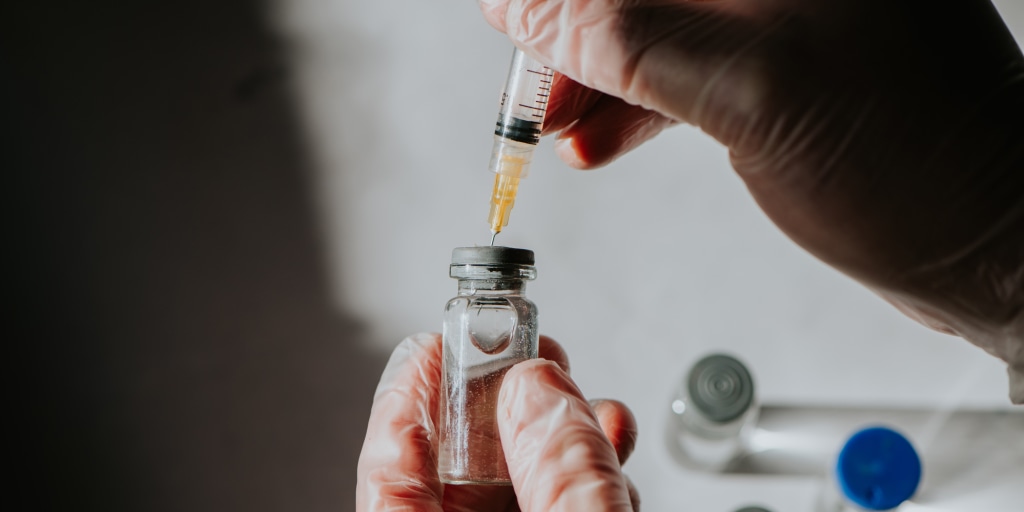
An experimental vaccine designed to prevent fentanyl overdoses has shown promising results in an early-stage clinical trial, marking the first time a fentanyl vaccine has been tested in humans. Drugmaker ARMR Sciences announced the results on June 17, 2026, raising hopes for a potential breakthrough in addressing the ongoing opioid epidemic in the United States.
The vaccine represents a novel approach to combating fentanyl-related deaths, which have claimed tens of thousands of American lives annually. If the vaccine proves effective in larger clinical trials, experts say it could fundamentally change how the country addresses both overdose prevention and addiction treatment.
Main Developments in Fentanyl Vaccine Research
ARMR Sciences, the company developing the vaccine, reported that their experimental fentanyl vaccine showed promise during the early-stage trial. This announcement marks a significant milestone in medical research as it represents the first time any fentanyl vaccine has progressed to human testing.
The vaccine aims to prevent fentanyl overdoses, which have become the leading cause of drug-related deaths in the United States. According to ARMR Sciences, the vaccine could potentially serve dual purposes: preventing overdoses in people at risk and helping treat addiction as part of a comprehensive treatment approach.
The development of a fentanyl vaccine has been a goal for researchers for years, given the synthetic opioid’s deadly potency and its role in the broader opioid crisis affecting communities across the country. Fentanyl is significantly more powerful than other opioids, making overdoses particularly dangerous and often fatal.
What We Know So Far
Based on confirmed information, the following facts have been established about the experimental fentanyl vaccine:
The vaccine is being developed by ARMR Sciences, a pharmaceutical company focused on addressing the opioid crisis. The early-stage clinical trial showed promising results, though specific efficacy data and participant numbers have not been disclosed.
This is the first fentanyl vaccine to reach human clinical trials, making it a pioneering effort in this area of medical research. Previous attempts to develop such vaccines remained in laboratory or animal testing phases.
The vaccine has two potential applications: preventing overdoses in individuals who may be exposed to fentanyl and serving as a tool in addiction treatment programs. Both applications could have significant public health implications if the vaccine proves safe and effective in larger trials.
The announcement was made on June 17, 2026, though the timeline for completing larger trials and any potential regulatory approval process remains unclear at this stage.
What Happens Next
The early-stage trial results represent just the first step in what could be a lengthy development process for the fentanyl vaccine. Like all experimental medical treatments, the vaccine will need to demonstrate both safety and effectiveness through additional clinical trials before it could potentially become available to the public.
Larger clinical trials would typically be required to confirm the promising results seen in this early-stage trial. These subsequent trials would likely involve more participants and provide more comprehensive data on how well the vaccine works and any potential side effects.
If the vaccine continues to show promise in future trials, it could represent what experts describe as a major breakthrough in combating the opioid epidemic that has devastated communities throughout the United States for more than a decade.
Understanding the Potential Impact
A successful fentanyl vaccine could provide a new tool in the fight against opioid-related deaths. Currently, the primary approaches to preventing overdose deaths include medication-assisted treatment programs, the distribution of naloxone (a drug that can reverse overdoses), and public education campaigns.
The vaccine approach differs from these existing methods by potentially offering protection before an overdose occurs, rather than treating one after it happens. This preventive approach could be particularly valuable for individuals in recovery who face ongoing risks of relapse and overdose.
For addiction treatment, a vaccine could potentially complement existing therapies by reducing the effects of fentanyl if a person relapses. This could provide an additional layer of protection during the vulnerable period of early recovery.
The Challenge of Fentanyl in the United States
Fentanyl has become a central concern in public health discussions due to its extreme potency and its presence in the illicit drug supply. The synthetic opioid is often mixed with other substances, sometimes without the knowledge of people using those drugs, leading to accidental overdoses.
A vaccine that could prevent the deadly effects of fentanyl could potentially save thousands of lives each year. However, the development of such a vaccine faces significant scientific challenges, including ensuring the immune response is strong enough and long-lasting enough to provide meaningful protection.
The early-stage trial results from ARMR Sciences suggest that at least some of these challenges may be addressable, though much more research will be needed to confirm these initial findings.
Frequently Asked Questions
What is the fentanyl vaccine?
The fentanyl vaccine is an experimental treatment developed by ARMR Sciences that aims to prevent fentanyl overdoses and potentially help treat addiction. It is the first vaccine of its kind to be tested in humans.
Is the fentanyl vaccine available to the public?
No, the fentanyl vaccine is not currently available to the public. It has only completed an early-stage clinical trial and would need to demonstrate effectiveness in larger trials before any potential approval process could begin.
How does the fentanyl vaccine work?
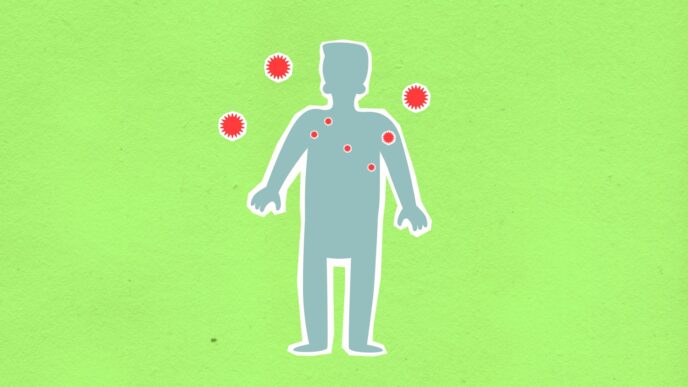
While specific details about the mechanism have not been disclosed, vaccines typically work by training the immune system to recognize and respond to specific substances. A fentanyl vaccine would aim to help the body neutralize the drug before it can cause an overdose.
Who developed the fentanyl vaccine?
ARMR Sciences, a pharmaceutical company, developed the experimental fentanyl vaccine that showed promise in the early-stage clinical trial announced on June 17, 2026.
Could this vaccine help people with opioid addiction?
According to information from ARMR Sciences, the vaccine could potentially help treat addiction in addition to preventing overdoses. However, this would need to be confirmed through additional clinical trials.
The announcement of promising early-stage trial results for the first human-tested fentanyl vaccine represents a potential step forward in addressing the opioid crisis. Further clinical trials will determine whether this experimental treatment can fulfill its promise of preventing overdoses and helping those struggling with fentanyl addiction.