A federal judge quashed subpoenas targeting Minnesota Governor Tim Walz and Minneapolis Mayor Jacob Frey on June 22, 2026, ruling that the Trump administration issued them to harass political opponents rather than conduct legitimate investigations. Chief U.S. District Judge Patrick Schiltz found overwhelming evidence that the subpoenas were part of a broader campaign to coerce state and local officials.
The subpoenas were served in January 2026 during Operation Metro Surge, an immigration enforcement action that turned deadly when an ICE officer killed protester Renee Good, a U.S. citizen and mother of three. The ruling marks a significant legal rebuke of the Justice Department’s tactics against officials in states that have adopted sanctuary policies.
Judge Finds Overwhelming Evidence of Unlawful Intent
Judge Schiltz, a George W. Bush appointee, issued a scathing ruling that left little doubt about his conclusions regarding the government’s motives. In his decision, the judge stated that “the evidence that the challenged subpoenas were issued for unlawful reasons is overwhelming.”
The judge wrote that he “struggled — without success — to identify a single plausible investigatory justification for the subpoenas.” He found the record “replete with direct evidence of the Trump administration — including the highest-ranking officials of the Department — threatening and attempting to punish states and localities that have adopted ‘sanctuary’ policies, as well as attempting to coerce those states and localities to devote resources to assist federal immigration enforcement.”
Judge Schiltz concluded that the evidence “establishes beyond reasonable dispute that the subpoenas were a part of a broader campaign to coerce state and local officials in Minnesota to assist the Trump administration in its enforcement of immigration laws.”
The ruling further stated: “The fact that connections between the information sought in the subpoenas and any possible criminal violation range from extremely weak to nonexistent only adds to the overwhelming evidence that these subpoenas were not issued to investigate, but to harass, coerce, and retaliate.”
Timeline Connects Presidential Social Media Post to Subpoenas
The judge’s ruling highlighted a significant timeline connecting events. President Donald Trump posted on social media warning “THE DAY OF RECKONING & RETRIBUTION IS COMING!” The subpoenas were served about a week after Trump’s social media post, a sequence the court found relevant to understanding the administration’s intent.
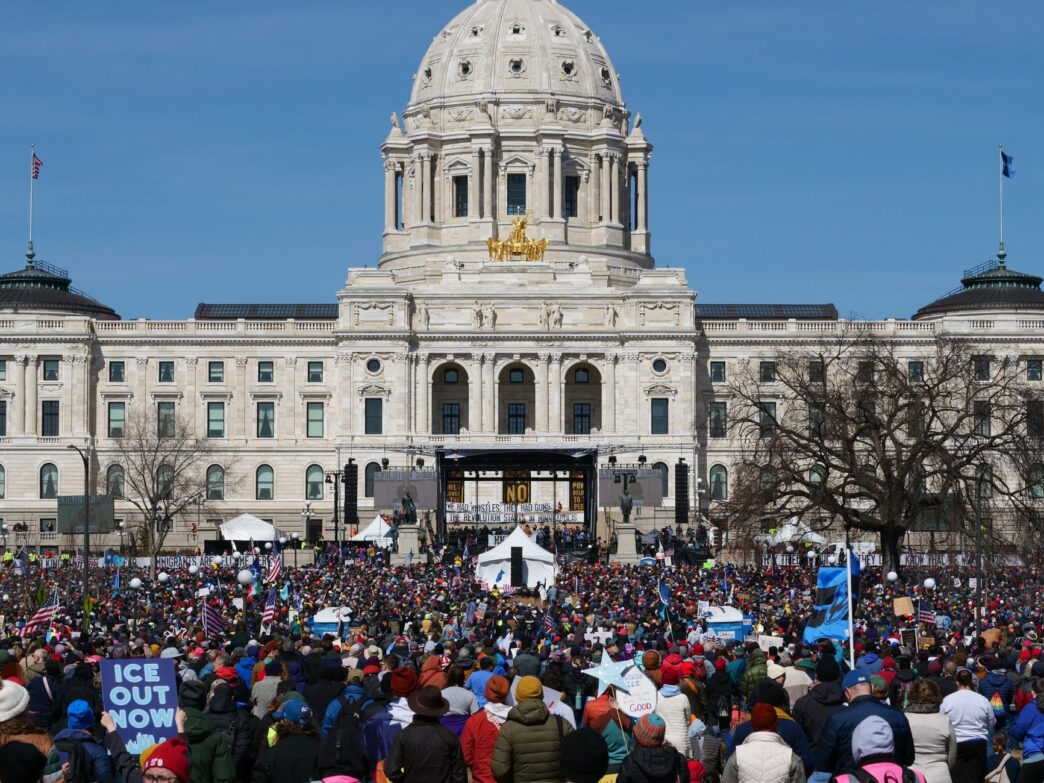
The subpoenas came during a period of heightened tension between federal immigration authorities and Minnesota officials. Two protesters were killed during protests related to Operation Metro Surge: Renee Good and Alex Pretti. Good, the U.S. citizen and mother of three killed by an ICE officer, became a central figure in the legal dispute.
Following the shooting, the state of Minnesota and the city of Minneapolis filed suit challenging the immigration surge operation. The subpoenas targeting state and local officials followed shortly thereafter.
What We Know So Far
The subpoenas targeted Minnesota Governor Tim Walz, who served as the 2024 Democratic vice presidential nominee, along with Minneapolis Mayor Jacob Frey and other officials. The subpoenas were issued in January 2026 during Operation Metro Surge immigration enforcement activities in Minnesota.
Chief U.S. District Judge Patrick Schiltz ruled on June 22, 2026, that the subpoenas were unlawful. The judge found there was “no doubt” the subpoenas were issued to harass President Trump’s political opponents and coerce them into official action favorable to the administration’s immigration enforcement priorities.
Two people died during protests related to the operation. Renee Good was killed by an ICE officer. Alex Pretti also died during the protests. The state and city filed legal challenges to the operation after the shooting.
Reactions From Officials
Governor Walz responded to the ruling by calling it “a victory for the rule of law and our democracy.” The governor characterized the administration’s actions as “politically motivated, unconstitutional, and meritless.”
Walz further stated that the “investigation was never about justice, law and order, but the absence of it. Subpoenaing political opponents because they spoke on behalf of their constituents violates the core tenets of our democracy and human decency.”
The Justice Department responded to the ruling with a statement indicating it “takes the unlawful obstruction of federal law enforcement operations extremely seriously and will continue to act in full compliance with the law to investigate these matters.”
What Happens Next
The ruling quashes the subpoenas, meaning the targeted officials are no longer required to comply with the demands for information or testimony. The Justice Department’s statement suggests it intends to continue pursuing its interests in the underlying matters, though the specific next steps remain unclear.
The case highlights ongoing tensions between the federal government and state and local authorities over immigration enforcement policies and the limits of federal investigative powers when directed at political opponents.
Background on the Targeted Officials
Tim Walz serves as Minnesota Governor and gained national prominence as the 2024 Democratic vice presidential nominee. Jacob Frey serves as Minneapolis Mayor and is also a Democrat. Both officials have been vocal about their jurisdictions’ policies regarding cooperation with federal immigration enforcement.
Judge Patrick Schiltz serves as Chief U.S. District Judge and was appointed by President George W. Bush. His ruling represents a judicial check on executive branch actions from a judge appointed by a Republican president, lending weight to the legal analysis that the subpoenas exceeded proper investigative purposes.
Frequently Asked Questions
Why did the judge quash the Minnesota subpoenas?
Judge Schiltz ruled the subpoenas were issued to harass, coerce, and retaliate against political opponents rather than for legitimate investigative purposes. He found overwhelming evidence of unlawful intent and could not identify any plausible justification for the information sought.
Who was targeted by the subpoenas?
The subpoenas targeted Minnesota Governor Tim Walz, Minneapolis Mayor Jacob Frey, and other state and local officials. Governor Walz was the 2024 Democratic vice presidential nominee.
What was Operation Metro Surge?
Operation Metro Surge was an immigration enforcement action conducted in Minnesota in January 2026. During protests related to the operation, two people were killed, including Renee Good, a U.S. citizen and mother of three who was killed by an ICE officer.
What did the Justice Department say about the ruling?
The Justice Department stated it “takes the unlawful obstruction of federal law enforcement operations extremely seriously and will continue to act in full compliance with the law to investigate these matters.”
Legal Significance of the Ruling
The ruling establishes that federal investigative tools cannot be used as weapons against political opponents. Judge Schiltz’s finding that the subpoenas were part of a “broader campaign to coerce state and local officials” addresses not just this specific case but the pattern of conduct the court identified.
The judge’s detailed findings regarding the lack of legitimate investigative purpose and the presence of retaliatory motive provide a roadmap for evaluating similar disputes that may arise between federal authorities and state officials who oppose administration policies.
The case arose from the intersection of immigration enforcement, protest activity, and the deaths of two people during Operation Metro Surge. The legal challenge filed by the state and city after Renee Good’s death set the stage for the subpoena dispute that Judge Schiltz resolved with his June 22, 2026, ruling finding the government’s actions unlawful.