Researchers have achieved significant breakthroughs in reading ancient scrolls burned by Mount Vesuvius nearly 2,000 years ago, using artificial intelligence and machine learning to extract philosophical texts that were previously impossible to decipher. The scrolls, discovered in the ruins of a Herculaneum villa thought to have belonged to Julius Caesar’s father-in-law, contain writings about ethics, arts, human behavior and theology.
The University of Kentucky announced on Thursday a new $1 million prize for anyone who can decipher a complete scroll by June next year, building on the momentum of a 2023 breakthrough that allowed researchers to read ancient Greek letters for the first time using machine-learning algorithms.
Main developments
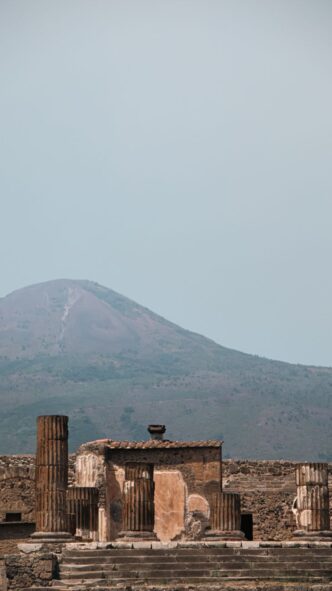
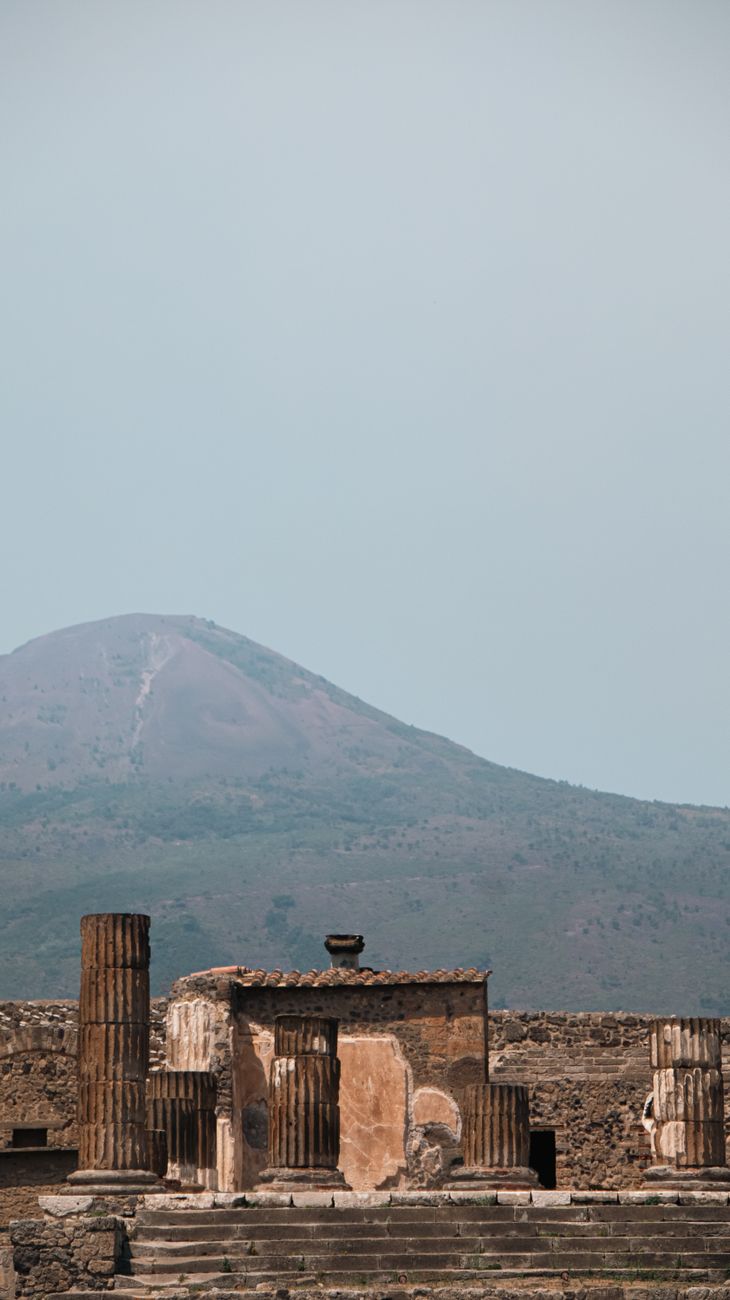
The ancient scrolls were carbonized during the eruption of Mount Vesuvius, which buried the Roman city of Herculaneum. For centuries, these fragile documents remained unreadable, their contents locked away in layers of charred papyrus.
In the 18th century, Father Antonio Piaggio, an Italian monk, invented a device to unroll the carbonized papyrus. The process was painstakingly slow. It took four years to unravel the first scroll. Using these early methods, 500 scrolls were eventually unfolded, but most crumbled apart in the process.
Another 600 badly carbonized scrolls remain in storage, mostly at the National Library in Naples. These scrolls were considered too damaged to read until recent technological advances changed what was possible.
In 2023, three students used machine-learning algorithms to extract ancient Greek letters from the carbonized scrolls, winning a $1 million prize for their achievement. Among the text extracted was the Greek word for purple. Luke Farritor was among the Vesuvius Challenge contestants who successfully extracted text from the ancient documents.
What we know so far
Despite these breakthroughs, researchers have managed to read only 10% of the scrolls so far. The texts that have been deciphered reveal philosophical discussions from ancient times, offering insights into how people thought about life, morality and the universe thousands of years ago.
Brent Seals, a computer science professor at the University of Kentucky and an expert in digital restoration of cultural antiquities, has been at the forefront of this research. The work represents a major advancement in how technology can unlock historical knowledge previously considered lost forever.
Gianluca del Mastro, a professor of papyrology at Naples’ University Campania Luigi Vanvitelli, described the significance of the work. “It is an amazing feeling because I am the first with my colleagues to be able to read the ideas of philosophers from the third, second, and the first century B.C. It is a completely new world for us,” he said.
Del Mastro also explained how dramatically the technology has accelerated the research process. “In the past, it would take more than one month to decipher one phrase. Now we get full texts,” he said.
What the ancient texts reveal
The philosophical content of the scrolls provides a window into ancient thinking about fundamental human questions. One passage reads: “We will inquire into something, but we will not grasp it, if in some way we depart from ourselves and from our own nature.”
Researchers noted that the ancient philosophers who wrote these texts shared concerns familiar to people today. “They were worried about living a good life and understanding the world,” according to those studying the scrolls.
The connection between modern readers and ancient writers has proved profound for those involved in the research. “It’s been a long time since the classical period, and we feel a distance from that culture. And then you read the words, and then the distance shrinks immediately,” one researcher observed.
One scroll that researchers have examined was marked in the catalog as having no visible ink. Using the new technology, researchers were able to detect and read text that was invisible to the human eye. This particular scroll may be one of the oldest Roman scrolls ever discovered, though this has not been definitively confirmed.
What happens next
The University of Kentucky announced a new $1 million prize on Thursday, challenging researchers and technologists around the world to decipher a complete scroll by June next year. This prize aims to accelerate the pace of discovery and unlock more of the philosophical and historical knowledge contained in the remaining scrolls.
With 90% of the scrolls still unread and 600 carbonized scrolls remaining in storage at the National Library in Naples, the potential for future discoveries remains substantial. The combination of artificial intelligence, machine learning and papyrology expertise offers hope that more ancient texts will become readable in the coming years.
Important details
The scrolls are housed primarily at the National Library in Naples, Italy. The villa where they were discovered in Herculaneum is thought to have belonged to Julius Caesar’s father-in-law, making the collection potentially one of the most significant libraries of the ancient Roman world.
The breakthrough in 2023 demonstrated that machine-learning algorithms could detect ink patterns invisible to the human eye on the carbonized papyrus. This technology has transformed what researchers believed was possible when studying damaged ancient documents.
The new prize deadline of June next year gives researchers approximately one year to work on deciphering a complete scroll, a task that would have been considered impossible just a few years ago.
Frequently asked questions
What are the Herculaneum scrolls?
The Herculaneum scrolls are ancient papyrus documents carbonized by the Mount Vesuvius eruption nearly 2,000 years ago. They were discovered in the ruins of a villa in Herculaneum, Italy, and contain philosophical texts about ethics, arts, human behavior and theology.
How are scientists reading the burned scrolls?
Scientists are using artificial intelligence and machine-learning algorithms to detect and read ink patterns on the carbonized papyrus that are invisible to the human eye. This technology has allowed researchers to extract ancient Greek letters and full texts from documents previously considered unreadable.
How much of the scrolls have been deciphered?
Researchers have managed to read only 10% of the scrolls so far. Another 600 badly carbonized scrolls remain in storage at the National Library in Naples, awaiting analysis with the new technology.
What is the new prize for deciphering the scrolls?
The University of Kentucky announced a new $1 million prize on Thursday for anyone who can decipher a complete scroll by June next year. This follows a $1 million prize won by three students in 2023 for using machine-learning algorithms to extract ancient Greek letters.
The ongoing effort to read the ancient scrolls burned by Mount Vesuvius represents a convergence of technology and classical scholarship. With 90% of the scrolls still unread and a new $1 million prize established, researchers continue working to unlock philosophical texts written thousands of years ago that may reshape understanding of ancient thought.