




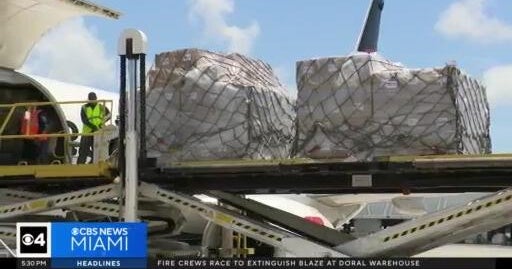
In a significant humanitarian gesture, the first cargo plane loaded with essential aid departed from Miami on July 21, 2026, marking the beginning of an ambitious $100 million relief package destined for the Cuban people. The aircraft carried approximately 700 packages of supplies, representing a direct effort by the United States government to provide assistance to Cuban citizens facing ongoing economic hardships.
Direct Distribution Bypasses Cuban Government
According to the U.S. State Department, this humanitarian initiative has been specifically designed to ensure that aid reaches those who need it most without interference from Cuban authorities. The packages will be distributed directly to the Cuban population through Catholic organizations operating on the island, establishing a trusted network for delivery.
“The items will be distributed directly to the Cuban people by Catholic groups in Cuba,” the U.S. State Department confirmed, emphasizing the importance of bypassing governmental channels to ensure transparency and effective distribution.
This approach reflects a strategic decision by American officials to work with religious and non-governmental organizations that have established community connections throughout Cuba. Catholic groups have long maintained a presence on the island and possess the infrastructure necessary to reach families in both urban centers and rural communities.
What the Aid Package Includes
While specific details about the contents of each package have not been fully disclosed, humanitarian aid shipments of this nature typically include essential items such as:
- Non-perishable food items and nutritional supplements
- Medical supplies and basic medications
- Hygiene products and sanitation materials
- Clothing and household necessities
- Educational materials and supplies for children
The $100 million total package represents one of the largest humanitarian aid efforts directed at Cuba from the United States in recent years. Officials have indicated that additional flights are expected to follow as the program continues to develop and expand its reach across the island nation.
Miami Serves as Humanitarian Hub
The choice of Miami as the launching point for this humanitarian mission carries both practical and symbolic significance. The South Florida city is home to the largest Cuban-American community in the United States, with generations of families maintaining close ties to relatives still living on the island. For many in the Miami area, this aid initiative represents a tangible way to support loved ones facing difficult circumstances.
The logistical advantages of Miami cannot be understated either. The city’s proximity to Cuba, combined with its robust cargo handling facilities and established shipping routes, makes it an ideal location for coordinating relief efforts. Aviation and maritime infrastructure in the region has been utilized extensively for various humanitarian missions throughout the Caribbean and Latin America.
Implications for U.S.-Cuba Relations
This humanitarian effort comes at a complex time in the relationship between Washington and Havana. While diplomatic tensions have fluctuated over the years, the decision to channel aid through non-governmental religious organizations suggests an attempt to separate humanitarian concerns from broader political disputes.
Community leaders and advocacy groups in South Florida have expressed cautious optimism about the initiative. Many hope that successful delivery of these supplies could open doors for additional assistance programs in the future, potentially benefiting thousands of Cuban families struggling with shortages of basic necessities.
The State Department has emphasized that monitoring mechanisms will be in place to track the distribution of aid and ensure accountability. Working with established Catholic organizations provides a level of oversight that officials believe will maintain the integrity of the program while respecting Cuban sovereignty concerns.
As the first plane touches down and distribution begins, attention will now turn to measuring the impact of these initial shipments and planning subsequent relief flights. For the Cuban people awaiting assistance, and for the Cuban-American community watching from Miami, this cargo plane represents more than supplies—it symbolizes a bridge of solidarity across the Florida Straits.



