A parasitic illness causing severe gastrointestinal distress is spreading across Florida, with Miami-Dade County reporting the highest number of confirmed cases in the state. As of July 24, 2026, health officials have documented over 150 cyclosporiasis cases throughout Florida since May 1, raising concerns among residents and health professionals alike.
According to the Florida Department of Health’s Reportable Diseases Frequency Report, Miami-Dade County has confirmed 32 cases of cyclosporiasis, making it the epicenter of the outbreak in the Sunshine State. Lee County follows with 16 confirmed cases, while Broward County has reported 13 cases. This intestinal illness, which causes explosive watery diarrhea and other debilitating symptoms, has affected communities across 35 Florida counties.
National Outbreak Traced to Produce Supplier
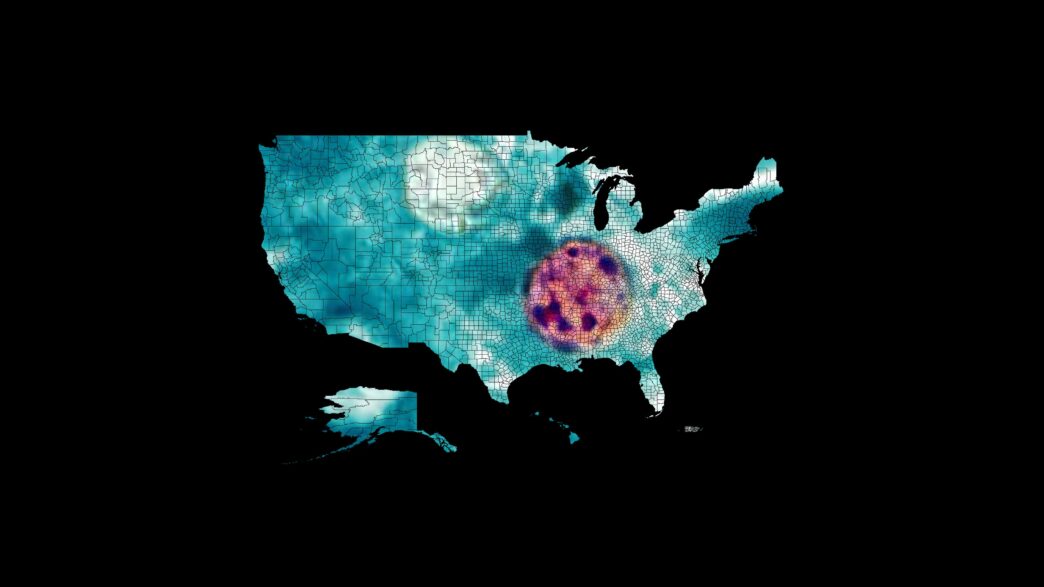
The cyclosporiasis outbreak extends far beyond Florida’s borders. The Centers for Disease Control and Prevention reported on July 20, 2026, that 4,173 laboratory-confirmed cases have been identified across the United States. Additionally, more than 7,400 cases are pending official confirmation, with Michigan and Ohio experiencing particularly high numbers of reported illnesses.
The Food and Drug Administration stated that the “overwhelming epidemiological data” pointed to Taylor Farms as the source of contamination in this widespread outbreak.
This revelation has prompted consumers nationwide to exercise heightened caution regarding their produce purchases. For families in the Latin community who frequently prepare fresh salads and traditional dishes requiring raw vegetables, understanding the source of your produce has become critically important during this cyclosporiasis outbreak.
Understanding Cyclosporiasis Symptoms and Timeline
Cyclosporiasis is caused by ingesting the microscopic Cyclospora parasite, typically through contaminated food or water. Unlike many other illnesses, this parasitic infection does not spread easily from person to person, which provides some reassurance for families caring for infected loved ones.
The symptoms of cyclosporiasis typically appear approximately one week after exposure, though they can develop anywhere from two to 14 days after consuming contaminated food. The most common symptoms include:
- Frequent and watery diarrhea
- Significant weight loss
- Loss of appetite
- Persistent nausea
- Extreme fatigue
- Uncomfortable bloating
- Low-grade fever (less common)
- Vomiting (less common)
Health experts warn that untreated cyclosporiasis can follow a pattern of improvement and relapse, with symptoms lasting anywhere from a few days to more than a month. While the illness can be severe and extremely uncomfortable, it is rarely life-threatening according to CDC guidelines.
Florida Counties Most Affected by the Outbreak
The cyclosporiasis outbreak has touched communities throughout Florida, affecting both urban centers and smaller counties. Beyond Miami-Dade’s 32 cases and Lee County’s 16 cases, several other regions have reported significant numbers:
- Broward County: 13 cases
- Orange County: 6 cases
- Osceola County: 6 cases
- Palm Beach County: 6 cases
- Pinellas County: 6 cases
- Polk County: 6 cases
- Seminole County: 5 cases
- Volusia County: 5 cases
- Hillsborough County: 4 cases
- Lake County: 4 cases
The geographic spread of cyclosporiasis cases across Florida demonstrates how contaminated produce can affect diverse communities when distributed through major supply chains. Residents in all affected counties should remain vigilant about food safety practices.
Protecting Your Family: Prevention Tips
For the Latin community in the United States, where fresh produce plays a central role in daily meals and cultural traditions, taking precautions against cyclosporiasis is essential. Here are practical steps to protect your household:
- Wash all fresh produce thoroughly under running water before consumption
- Stay informed about FDA recalls and food safety alerts
- Consider the source of your produce and purchase from reputable suppliers
- If you experience symptoms of cyclosporiasis, seek medical attention promptly
- Keep hydrated if you develop diarrhea symptoms
It is worth noting that the Cyclospora parasite was removed from the mandatory reporting list last summer under the previous administration, which some public health experts argue may affect outbreak tracking and response capabilities. This policy change underscores the importance of community awareness and individual vigilance in protecting public health.
Anyone experiencing severe gastrointestinal symptoms consistent with cyclosporiasis should contact their healthcare provider immediately. Early treatment can help reduce the duration and severity of the illness, allowing affected individuals to recover more quickly and return to their daily activities.