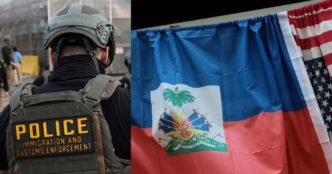
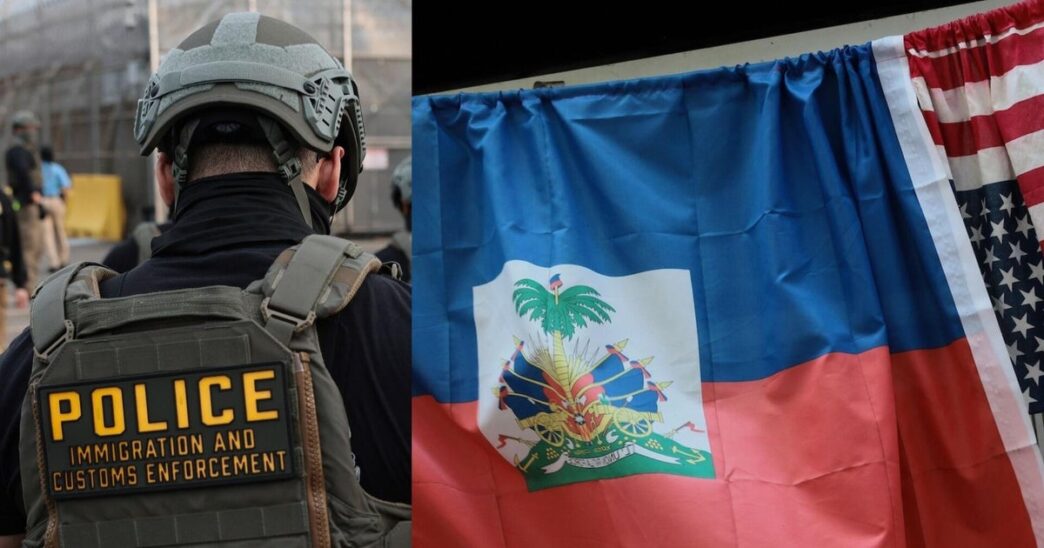
The clock is running out for hundreds of thousands of Haitian immigrants across the United States as Temporary Protected Status is set to expire on July 28, 2026. In South Florida alone, more than 150,000 Haitian residents face an uncertain future, with many already afraid to leave their homes as fears of immigration enforcement intensify throughout Miami-Dade County and beyond.
The streets of Little Haiti, typically bustling with activity and commerce, have grown noticeably quiet in recent days. Community members report that Haitian TPS holders are staying indoors, avoiding public spaces, and bracing for what comes next. This dramatic shift represents a critical moment for one of Florida’s most vibrant immigrant communities.
Understanding the Haitian TPS Crisis in Florida
Temporary Protected Status has served as a lifeline for Haitian nationals fleeing political instability, natural disasters, and rampant violence in their home country. The program allowed them to live and work legally in the United States while conditions in Haiti remained dangerous. Now, with the federal government moving to terminate this protection, entire families find themselves in limbo.
The numbers tell a sobering story about the Haitian TPS situation in Florida:
- Approximately 158,000 Haitians currently hold TPS status in Florida
- Over 113,000 of these individuals work in the medical and healthcare fields
- An estimated 63,000 TPS holders own homes in the state
- Thousands of American-born children depend on parents with TPS status
Local business owners in Little Haiti have expressed deep concern for their employees and customers. One shop owner, whose family has operated in the neighborhood for decades, spoke on condition of anonymity about the atmosphere of fear pervading the community.
“They’ve just been staying at home, staying out of trouble. We employ people who want to do good for the community. A majority of the people here don’t have an option to go back to Haiti.”
Why Returning to Haiti Is Not a Viable Option
The Department of Homeland Security has suggested that individuals losing their Haitian TPS status should consider voluntary departure from the country. However, this recommendation stands in stark contrast to current travel advisories from the U.S. State Department, which explicitly warns American citizens against traveling to Haiti due to extreme danger.
Haiti continues to experience unprecedented levels of violence, with armed gangs controlling significant portions of the capital, Port-au-Prince. Kidnappings for ransom have become commonplace, and basic infrastructure including hospitals, schools, and government services have collapsed in many areas. For most Haitian TPS holders in South Florida, returning means facing life-threatening conditions.
Community advocates point out the impossible situation many families face. Those who might safely return are typically individuals who own land in rural areas far from gang-controlled territories. For the vast majority of working-class Haitians who fled poverty and violence, there is simply no safe haven waiting for them back home.
Economic Impact on South Florida Communities
The termination of Haitian TPS protection threatens to create ripple effects throughout Florida’s economy, particularly in healthcare and essential services. With over 113,000 TPS holders working in medical fields, hospitals, nursing homes, and home healthcare services face potential staffing crises at a time when demand for healthcare workers continues to grow.
Candice Mondesir of the Haitian American Chamber of Commerce of Florida has been vocal about the far-reaching consequences of this policy change.
“This decision will ruin entire ecosystems in our community here in Florida, in the rest of the United States.”
The chamber has been inundated with questions from Haitian TPS holders concerned about their businesses, mortgages, and children’s futures. Small business owners who have built enterprises over years or decades now face the prospect of losing everything they have worked to create.
What Haitian TPS Holders Should Know About Their Rights
While the situation remains fluid and deeply concerning, immigration attorneys and advocacy organizations are urging affected individuals to understand their legal rights and options. Here are essential steps for those impacted by the Haitian TPS termination:
- Consult with a qualified immigration attorney to explore any available legal remedies
- Gather and organize all important documents including work permits, tax records, and identification
- Know your rights during any encounter with immigration enforcement officers
- Stay connected with community organizations providing legal aid and support services
- Avoid sharing personal information with unverified sources claiming to offer immigration help
- Report any immigration scams to local authorities and community leaders
According to documents obtained by news outlets, Immigration and Customs Enforcement is planning to increase deportation efforts targeting Haitians who lose their TPS status, with operations reportedly beginning in Ohio before expanding to other states. The Department of Homeland Security declined to comment on specific operational plans.
Community Resources and Support Networks
Despite the challenging circumstances, South Florida’s Haitian community has a long history of resilience and mutual support. Community organizations, churches, and advocacy groups are mobilizing to provide assistance to those affected by the Haitian TPS changes.
Local leaders encourage community members to stay informed through trusted sources, avoid spreading unverified information that could cause additional panic, and support one another during this difficult period. Many organizations are offering free legal consultations, know-your-rights workshops, and emergency assistance programs for families in crisis.
The coming weeks will prove critical for Haitian families throughout South Florida and across the nation. As one Little Haiti resident noted, when challenges arise, the community has always found ways to come together and protect its most vulnerable members. That spirit of solidarity will be tested like never before as the Haitian TPS deadline passes and enforcement efforts potentially intensify.
For the latest updates on immigration policy changes affecting the Latin community and resources for those seeking assistance, continue following trusted news sources and community organizations in your area.