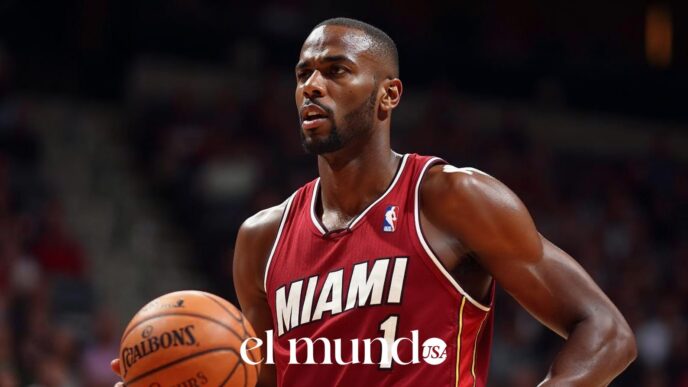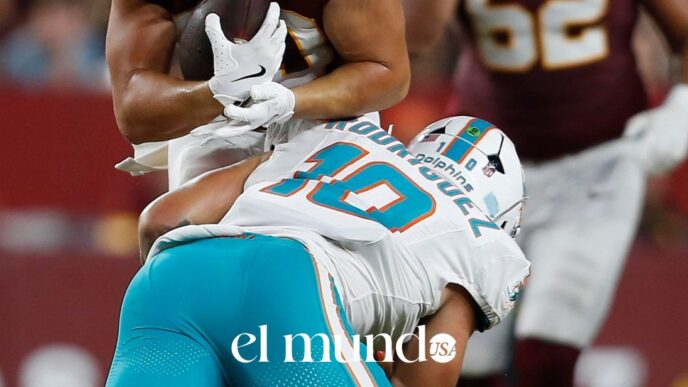
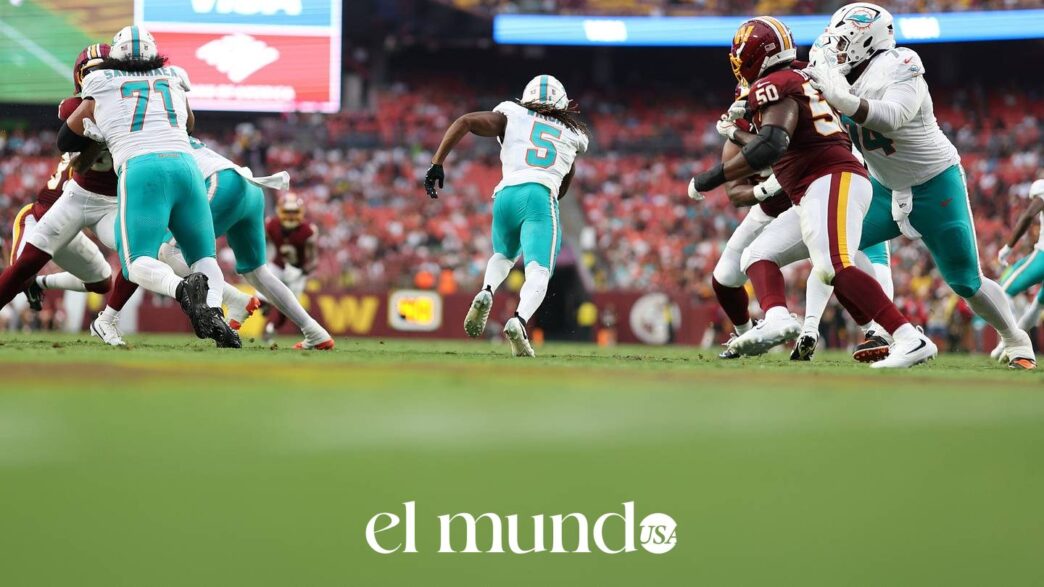
The Miami Dolphins delivered a powerful statement in their 2026 preseason opener, with head coach Jeff Hafley praising the team’s physicality on both sides of the ball. The performance against Washington demonstrated exactly what the coaching staff has been demanding from their roster.
The Dolphins physicality was on full display throughout the contest, with players embracing a more aggressive approach that aligns with Hafley’s vision for the franchise. This marks a significant shift in team culture as Miami works to shed its reputation as a “soft” team in the NFL.
Run Defense Shows Dominant Physicality
The Dolphins run defense emerged as a clear highlight, particularly with the starting unit on the field. Miami’s rush defense limited explosive plays early and consistently forced long-distance third downs that put the opposing offense in difficult situations.
Coach Hafley addressed the media on Saturday, August 16, 2026, expressing his satisfaction with the defensive front’s performance. The interior linemen demonstrated exceptional technique while the edge defenders maintained their assignments with precision and power.
“The one thing I am so proud of is that, even starting in the practice, our run defense, it was physical. I thought that our ones versus their ones, they had a tough time running the ball, and our run defense showed up. The interior guys, they were squeezing. We were setting edges. Chop was violent.”
On the Dolphins’ first defensive series, they allowed only 4 yards on three run plays, forcing an early punt. The second drive saw Kaytron Allen break through for a 7-yard dash, but Josh Uche quickly responded by stuffing Allen at the line on the very next attempt.
Chop Robinson Brings Violent Edge Play
Chop Robinson made his presence felt with efficient footwork and relentless pressure. At 254 pounds, the edge rusher proved nearly impossible to bring down when he got into the backfield. His ability to cross over Commanders lineman Trent Scott demonstrated elite athleticism.
In one memorable sequence, Robinson utilized point-guard-like crossover moves to put immediate pressure on quarterback Marcus Mariota. The Dolphins physicality philosophy was embodied in his violent approach to setting edges and collapsing the pocket.
Marco Wilson capitalized on the defensive pressure with an interception against Sam Hartman, proving how the team’s aggressive front created opportunities for the secondary. This turnover exemplified the connection between physical play and defensive success.
Proctor and Savaiinaea Lead Offensive Line
The Dolphins physicality extended to the offensive side, where two linemen particularly impressed the coaching staff. Kadyn Proctor and Jonah Savaiinaea demonstrated remarkable resilience as the game progressed, staying in when other starters rotated out.
Coach Hafley highlighted Savaiinaea’s contributions during his address to the team, showing specific clips of the guard’s dominant blocking. The footage featured him driving defenders backward and knocking opponents to the ground repeatedly.
“I’ve got to give it up for Jonah. He was physical, and I showed some clips in front of the entire team this morning of him just coming off the ball and driving people back, knocking guys on the ground. And same thing for Proctor; on a couple of the gap scheme plays, the whole side of the line was caved down.”
Savaiinaea looked natural at right guard, creating multiple running lanes for De’Von Achane alongside center Aaron Brewer. The unit excelled at moving defenders backward, providing quarterback Willis with crucial extra time in the pocket for receivers to get open.
Proctor Showcases Elite Run Blocking
One outstanding example of Proctor’s physicality came on the opening drive against Commanders defensive tackle Shy Tuttle. With Achane moving to the left side, Proctor completely escorted Tuttle out of the play.
The young lineman pushed the defender all the way to the far right side of the trenches, making him a complete non-factor on the play. This type of dominant blocking exemplifies the physicality standards that Hafley demands from his offensive line.
The gap scheme plays proved particularly effective with Proctor and Savaiinaea working in unison. Their ability to collapse entire defensive fronts opened significant running lanes for Miami’s backs throughout the contest.
Tight Ends Emerge as Physical Blockers
While tight ends are often discussed as receiving weapons, Friday’s preseason game revealed another dimension to their skill sets. Albert Dulcich and Will Kacmarek both demonstrated impressive blocking ability that caught Hafley’s attention.
Despite a limited workload of only eight total snaps, Dulcich still impressed with his blocking technique. This represented a pleasant surprise, as blocking isn’t typically considered his primary strength as a tight end. His willingness to engage physically aligned with the team’s new culture.
Kacmarek received extended playing time and maximized his opportunities by consistently driving defenders backward. His performance reinforced the idea that Miami’s tight end room can contribute significantly to the running game beyond their receiving duties.
“I thought Dulcich was a guy who showed up physically. Kacmarek had some plays where he was just driving people back. The physicality is getting closer to what I want. Can we do it when we get tired? Can we do it later in camp? Can we do it in the second preseason game?”
Hafley’s questions indicate the team still has work ahead. The coaching staff wants to see this physical approach sustained through fatigue, extended training camp sessions, and future preseason matchups. Consistency will be key moving forward.
The reserves struggled somewhat when they entered the game, with Allen eventually finding his footing to record 85 yards on 23 carries. Washington scored both touchdowns on the ground through Allen and Robert Henry Jr, who combined for 75 yards against Miami’s backups.
This discrepancy between starters and reserves presents an area for improvement as the Dolphins continue their 2026 preseason preparations. However, the overall trajectory remains positive for a franchise working to establish a new identity.
How did the Dolphins run defense perform in the 2026 preseason opener?
The Dolphins run defense dominated with the starting unit, allowing only 4 yards on three run plays during their first defensive series and forcing early punts. Josh Uche recorded a key stop at the line against Kaytron Allen.
Which offensive linemen impressed Coach Jeff Hafley most?
Kadyn Proctor and Jonah Savaiinaea received specific praise from Hafley for their physicality. The coach showed clips of their dominant blocking to the entire team, highlighting their ability to drive defenders backward.
What is the Dolphins’ new defensive philosophy under Jeff Hafley?
Coach Hafley emphasizes eliminating the notion that Miami is a “soft” team by demanding physicality on every play. He praised the team for being violent at the point of attack and maintaining physical play throughout the game.
📘 Follow El Mundo USA on our social networks: Facebook | Twitter