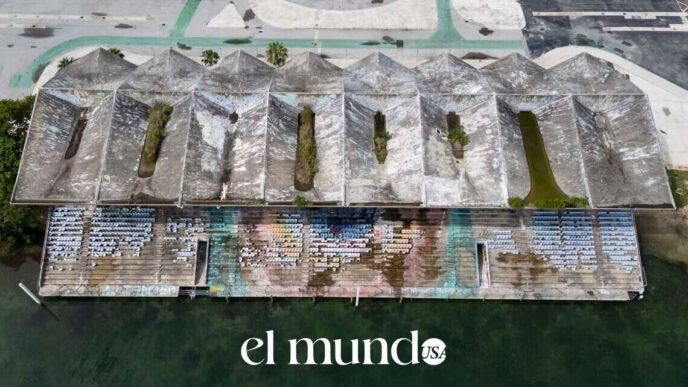
The Miami Marine Stadium, a stunning architectural masterpiece designed by Cuban refugee Hilario Candela, faces a pivotal moment as Miami voters head to the polls on Tuesday, August 18, 2026. The ballot measure will determine whether the city can partner with a private company to restore this iconic 6,500-seat venue that has sat abandoned for over three decades.
Located on Virginia Key with breathtaking views of downtown Miami, this midcentury Brutalist architectural gem opened in 1963 as the nation’s only powerboat racing venue. The stadium’s massive cantilevered roof became a symbol of South Florida’s innovative spirit and cultural diversity during a transformative era.
A Cuban Refugee’s Architectural Triumph
Hilario Candela was in his late 20s when he designed the Miami Marine Stadium. A recent refugee from the Cuban Revolution, Candela went on to spend decades designing buildings across Miami. He dedicated much of his later life to community efforts aimed at restoring the marine stadium until his death in 2022.
The structure earned recognition on the National Park Service’s National Register of Historic Places in 2018. Then-Secretary of State Ken Detzner praised it as “one of the state of Florida’s most unique architectural and historic resources.” He described it as “an ambitious example of mid-century Modernist architecture” representing the “multi-cultural influences evolving in the city of Miami during the 1960s.”
Hollywood Fame and Musical Legends
The Miami Marine Stadium served as the backdrop for Elvis Presley’s 1967 film “Clambake,” cementing its place in American pop culture history. The venue’s unique floating stage attracted legendary performers including Gloria Estefan and the late Jimmy Buffett, who created unforgettable experiences on its movable, floating platform.
Jimmy Buffett called the stadium a “little cathedral of musical fun” in a letter to Miami officials the year before his passing in 2023, urging them to save the historic venue.
The Mayor of Margaritaville fondly recalled a 1985 concert that ended with him jumping off the floating stage into the surrounding water. He joined cheering swimmers and boaters in what he described as “one of the most fun shows, for band and fans,” that he had ever performed.
“Those were the ‘Miami Vice’ days, and Don Johnson introduced us,” Buffett wrote of the actor from the popular 1980s television crime drama. The WITCO Desperadoes from Trinidad opened the show, and the Coral Reefer Band finished the memorable night.
Political Rallies and Cultural Celebrations
President Richard Nixon and entertainer Sammy Davis Jr. appeared together at the Miami Marine Stadium during a 1972 campaign rally supporting Nixon’s reelection bid. The venue transcended entertainment, becoming a gathering place for Miami’s diverse communities.
Residents gathered at the stadium for Easter sunrise services, creating lasting memories across generations. The venue also hosted celebrations honoring Our Lady of Charity, a representation of the Virgin Mary deeply revered by many Cubans and Cuban Americans.
Miami Commissioner Damian Pardo emphasized the stadium’s profound connection to the community’s identity. “It encapsulated a time period in Miami that’s incredibly unique with an incredible story that touches all Miamians,” Pardo stated. “This is really a place that connects with Miami at a very deep and personal level.”
Hurricane Andrew’s Devastation and Restoration Campaign
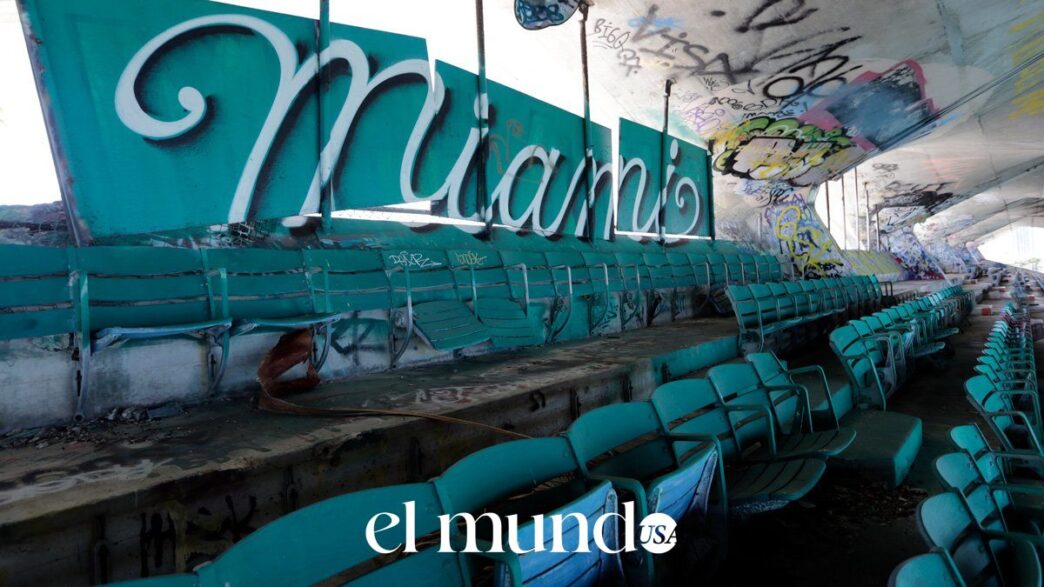
The Miami Marine Stadium closed in 1992 after suffering serious damage during Hurricane Andrew. Since then, the once-magnificent 6,500-seat venue has deteriorated significantly. Despite its listing on the U.S. National Register of Historic Places, the stadium remains fenced off and covered in graffiti.
Restoration efforts gained momentum when Donald Worth co-founded Restore Miami Marine Stadium in 2008. Shortly after city officials began discussing the venue’s future, Worth launched a mission to save this architectural treasure. Savannah Buffett, daughter of the late Jimmy Buffett, continues working with the organization.
What Miami Voters Will Decide
On Tuesday, August 18, 2026, Miami residents will cast their votes on whether to allow the city to enter a public-private partnership. The goal is returning this unique stadium on Virginia Key to its former glory while preserving its historic character.
For the Latin community in South Florida, the Miami Marine Stadium represents more than architecture. It symbolizes the contributions of Cuban immigrants who helped shape Miami’s cultural landscape. Hilario Candela’s design stands as testament to the creativity and resilience of those who fled Cuba and built new lives in America.
The restoration of this powerboat racing venue could provide new entertainment options for residents and visitors. A revived Miami Marine Stadium would offer concerts, community events, and water sports with stunning Miami skyline views.
Community members interested in the stadium’s restoration can follow election results and future developments through local Miami news outlets. The vote represents a critical moment for historic preservation in South Florida.
When did Miami Marine Stadium originally open?
The Miami Marine Stadium opened in 1963 as the nation’s only race venue for powerboats. It was designed by Cuban refugee Hilario Candela, who was in his late 20s at the time.
Why has the stadium been closed since 1992?
The Miami Marine Stadium suffered serious damage during Hurricane Andrew in 1992. Despite being listed on the U.S. National Register of Historic Places, it has remained fenced off and covered in graffiti for over three decades.
What famous events took place at the Miami Marine Stadium?
Elvis Presley filmed scenes for his 1967 movie “Clambake” at the venue. President Richard Nixon held a 1972 campaign rally with Sammy Davis Jr. Artists including Gloria Estefan and Jimmy Buffett performed memorable concerts on the floating stage.
📘 Follow El Mundo USA on our social networks: Facebook | Twitter