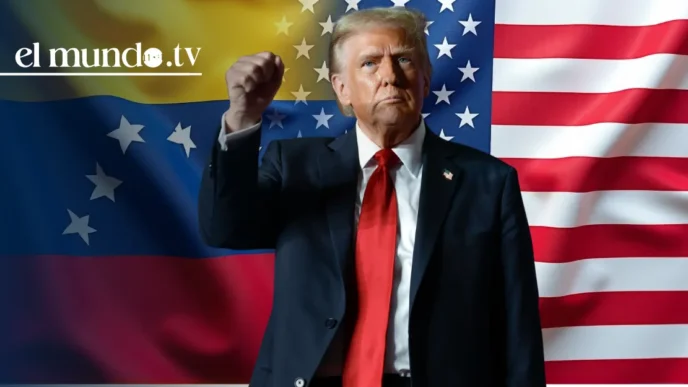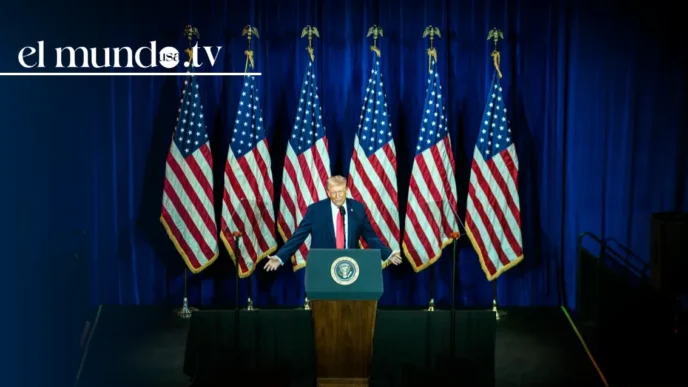
The United States made a significant shift in the immigration policy. The US updates visa restrictions for Cuba and Venezuela. The State Department announced this week that 25 additional countries will be required to post expensive visa bonds. It will apply for standard B1/B2 tourist or business visas.
The updated list expands the number of affected nations to 38 and comes amid broader efforts by the Biden administration to curb visa overstays and tighten entry requirements.
READ: Rubio, Hegseth, and Stephen Miller will lead the transition in Venezuela by order of Trump
The US updates visa restrictions for Cuba and Venezuela
Under the new regulations, Cuba and Venezuela are among the countries newly added, and the policy is scheduled to take effect on January 21, 2026. Nationals from both countries will now face significant financial barriers when seeking travel to the United States.
Critics say the bond requirement could make U.S. visas virtually inaccessible for many would-be visitors, while officials argue it helps discourage illegal overstays. The cost ranging from 5,000 to 15,000 dollars.
The visa bond program also includes stricter procedural requirements, such as mandatory in-person interviews and extensive disclosure of applicants’ personal histories. U.S. officials maintain that payment of a bond does not guarantee a visa, but that it will be refunded if a visa is denied or if holders comply with the terms of their stay.
READ: Epstein case: Authorities admit that more than two million documents remain unreleased
The complete list of countries with this policy
- Algeria (January 21, 2026)
- Angola (January 21, 2026)
- Antigua and Barbuda (January 21, 2026)
- Bangladesh (January 21, 2026)
- Benin (January 21, 2026)
- Bhutan (January 1, 2026)
- Botswana (January 1, 2026)
- Burundi (January 21, 2026)
- Cabo Verde (January 21, 2026)
- Central African Republic (January 1, 2026)
- Ivory Coast (January 21, 2026)
- Cuba (January 21, 2026)
- Djibouti (January 21, 2026)
- Dominica (January 21, 2026)
- Fiji (January 21, 2026)
- Gabon (January 21, 2026)
- Gambia (October 11, 2025)
- Guinea (January 1, 2026)
- Guinea-Bissau (January 1, 2026)
- Kyrgyzstan (January 21, 2026)
- Malawi (August 20, 2025)
- Mauritania (October 23, 2025)
- Namibia (January 1, 2026)
- Nepal (January 21, 2026)
- Nigeria (January 21, 2026)
- São Tomé and Príncipe (October 23, 2025)
- Senegal (January 21, 2026)
- Tajikistan (January 21, 2026)
- Tanzania (October 23, 2025)
- Togo (January 21, 2026)
- Tonga (January 21, 2026)
- Turkmenistan (January 1, 2026)
- Tuvalu (January 21, 2026)
- Uganda (January 21, 2026)
- Vanuatu (January 21, 2026)
- Venezuela (January 21, 2026)
- Zambia (August 20, 2025)
- Zimbabwe (January 21, 2026)
Tension over the capture of Nicolás Maduro
The new visa restrictions in US for Cuba and Venezuela come at a time of tension in the American union. In an extraordinary development that has reverberated across the Western Hemisphere, U.S. authorities captured Venezuelan President Nicolás Maduro on Saturday, January 3, 2026.
Maduro was taken into custody on charges related to international drug trafficking and corruption.
The arrest marked a dramatic escalation in U.S.–Venezuela tensions, which have been strained for decades amid mutual sanctions, diplomatic expulsions, and competing geopolitical alliances. Venezuelan state media condemned the capture as a “violation of national sovereignty,”. They urges international allies to intervene diplomatically. Washington insists the operation was lawful and necessary to uphold justice and disrupt criminal networks.
Regional leaders have reacted with alarm and division. Some Caribbean and Latin American governments expressed concern about a precedent of foreign military action on sovereign soil, while others cautiously welcomed the removal of Maduro amid Venezuela’s ongoing economic collapse and humanitarian crisis. The capture injected fresh volatility into Venezuela’s political landscape, complicating transitions of power and raising questions about the future role of the United States in regional affairs.