
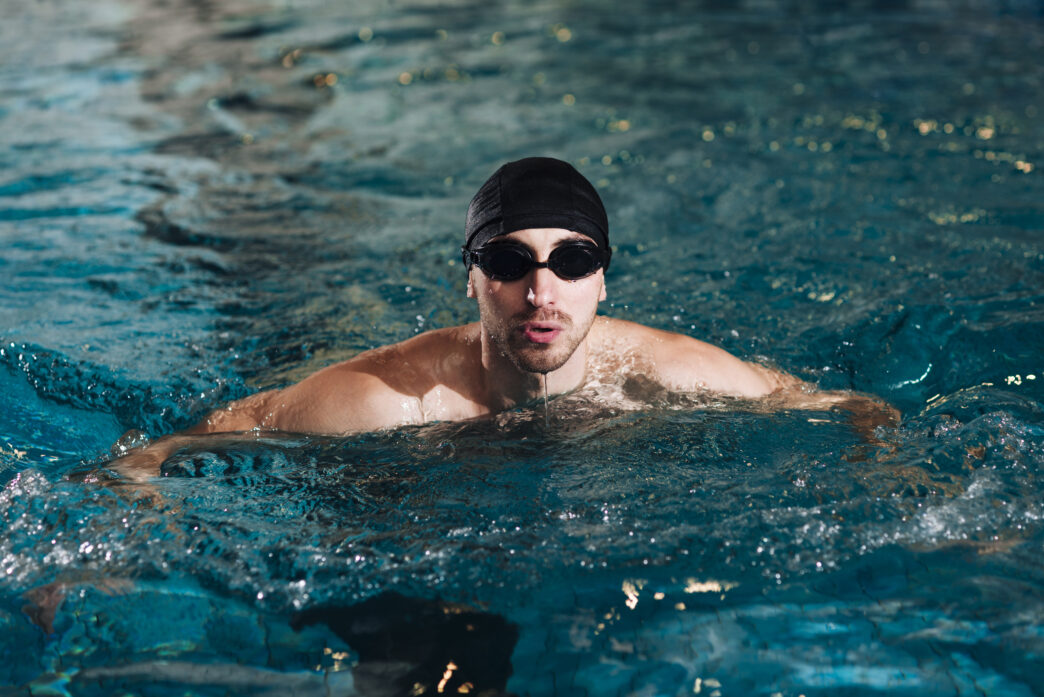
A comprehensive 32-year study tracking more than 40,000 men between the ages of 20 and 90 found that swimmers experience lower mortality rates compared to runners and sedentary individuals. The research measured all-cause mortality risks and showed that swimmers had approximately a 49% to 53% reduced risk of death within a given year relative to runners, walkers, and inactive men. This long-term longitudinal analysis provides strong statistical evidence indicating a significant survival advantage for those engaged regularly in swimming.
The study differentiated between various physical activity groups, comparing swimmers with runners, walkers, and men who led sedentary lifestyles. Findings revealed that swimmers consistently demonstrated the lowest death rates throughout the follow-up period, suggesting a potential link between swimming and increased longevity. The data derived from the cohort suggested that the risk of premature death decreased notably for swimmers compared to the other groups.
Other related research into ultraendurance swimming highlights physiological implications of intense aquatic exercise but remains limited in scope. One case documented a 61-year-old athlete’s biochemical and hematological response after covering a 120-kilometer swim, illustrating endurance swimming’s unique demands on the human body. While the physiological effects are complex, this complements the larger epidemiological findings by confirming swimming as a vigorous and sustained cardiovascular activity.
Cold water safety studies advise caution in interpreting survival charts linked with immersion incidents, emphasizing that such resources should not form the foundation of public education regarding cold water survival. This is important context when considering swimming-related activities, especially open water or endurance swims that expose participants to varying environmental risks.
Additional research has explored the relationship between maximal swim distance, duration, and heart rate to further understand the physical stresses involved in swimming. These studies help quantify performance capacity and physiological strain during aquatic exercise, lending more insight into the health profiles of swimmers compared to athletes involved in land-based activities such as running.
Overall, population-level research across several decades confirms that men who swim have a better chance of prolonged survival than male runners or those who do not engage in regular physical activity. These findings contribute to the broader understanding of how different exercise modalities impact longevity and mortality risks.