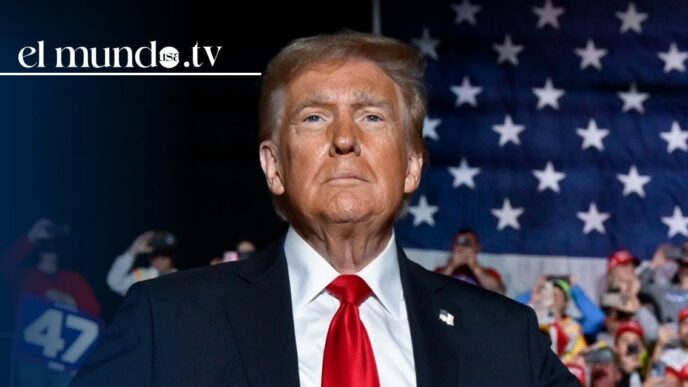
President Donald Trump’s second year in office, beginning in early 2026, brought several significant developments in criminal justice, immigration, and voting policies that continued to shape the national political landscape. Throughout the first year of his return, the administration implemented various measures impacting civil rights, social policies, and immigration enforcement.
In the realm of criminal justice, the administration’s priorities advanced reforms and policy shifts that generated ongoing debate among advocacy groups and lawmakers. Key issues included sentencing guidelines and law enforcement practices, as well as the federal government’s approach to prison populations and rehabilitation programs. These initiatives aimed to redefine standards for public safety and correctional management but also faced resistance from civil liberties organizations concerned about potential rights infringements.
On immigration, policymakers tightened enforcement protocols and considered changes to birthright citizenship, a highly contentious subject in national discourse. Measures to restrict immigration pathways and increase border security persisted as central themes. The administration also implemented new immigration rules impacting asylum seekers and visa applicants, generating discussions about the legal and humanitarian implications. These efforts aligned with the broader objective of reshaping the country’s immigration framework according to the administration’s priorities.
Voting and election policies underwent scrutiny following the 2024 presidential election cycle. The Trump administration proposed nationalizing various aspects of voting procedures to standardize election laws across states, prompting debates over federal versus state control of elections. Election security and voter identification standards remained focal points in legislative and public arenas, reflecting ongoing concerns about election integrity and access.
Throughout 2026, social media activity and public communications from the president showed heightened engagement on issues such as immigration, voting rights, and related policy efforts. These communications often highlighted the administration’s position on national security and electoral reforms, framing the federal government’s role in those areas.
The year also saw a continuation of legal challenges and civil liberties advocacy targeting several executive actions. Organizations defending constitutional rights monitored and responded to policy changes seen as affecting civil liberties, including areas of women’s rights, healthcare access, and workplace protections. Legislative and judicial proceedings reflected the contentious environment surrounding these issues, with numerous cases brought before state and federal courts.
Overall, 2026 marked a period of sustained policy activity by the Trump administration across several high-profile domains. The interplay of criminal justice reform, immigration policy shifts, and election law debates underscored a broader effort by the federal government to influence core aspects of American governance and society. These efforts continued to provoke discussion among lawmakers, activists, and the public throughout the year.