
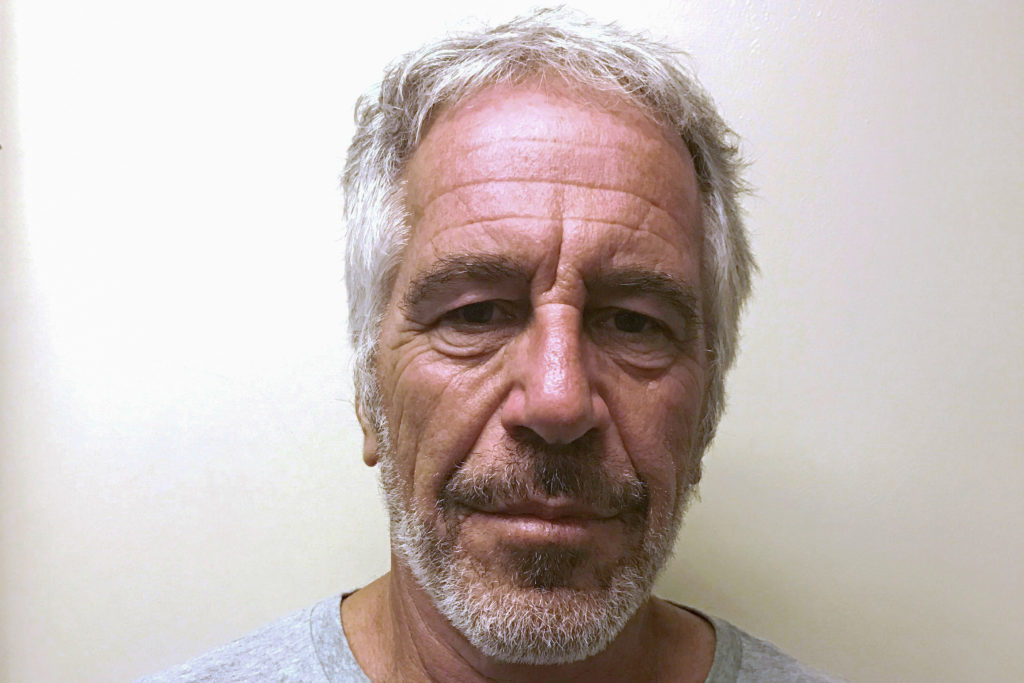
The U.S. Department of Justice agreed on February 5, 2026, to correct redaction errors found in the latest batch of files related to Jeffrey Epstein. The decision followed reports that the initial releases contained mistakes allowing some previously redacted names and information to be visible. These files, part of the public record tied to investigations into Epstein, had prompted lawmakers and victims’ advocates to raise concerns about inadequate protection of sensitive content.
The Department of Justice established a dedicated email inbox to receive direct communications from victims regarding redaction concerns. This channel aimed to facilitate the prompt identification and correction of any errors impacting personal information or privacy. The move aligned with increased scrutiny over transparency and confidentiality in the handling of court documents related to Epstein.
On February 6, 2026, the Justice Department permitted members of Congress to review unredacted versions of the Epstein files. This access responded to congressional requests for a comprehensive examination of the records, allowing lawmakers to verify that all necessary redactions protected victims and third parties while preserving the integrity of the investigations.
The files released by the Department of Justice came with redactions following legal requirements to shield private information. These protections aimed to comply with the mandates of the Epstein Files Transparency Act and court rules concerning the privacy of victims. Despite these precautions, some redaction failures were discovered soon after the documents became accessible.
Legal experts acknowledged that redaction represents the retroactive editing of documents to remove confidential material. Improper redaction techniques can expose sensitive data, as happened in this instance. Scanned documents and digital PDFs require particular care during the blacking-out process, with the safest approaches involving physical marking prior to scanning, to avoid data extraction by technological means.
Since the initial identification of errors, the Justice Department made efforts to review all released materials thoroughly. By February 9, 2026, the Epstein Library retained on the Justice Department’s website reflected updated versions with corrected redactions. According to official statements, all reasonable efforts were applied to balance transparency with the protection of victims’ privacy and other parties’ personal information.
Congressional leaders reviewing the files on February 10 expressed caution about redactions that still seemed inconsistent. They called for ongoing monitoring to ensure that documents made public would not inadvertently reveal details that court orders or privacy laws intended to conceal. The Department of Justice committed to continuing adjustments as necessary while meeting legislated deadlines for file availability.
The Jeffrey Epstein case remains one of the most closely followed due to the high-profile nature of the allegations and the connections uncovered. The Justice Department’s handling of the document releases follows federal protocols on redaction but shows the challenges in presenting extensive legal files involving victims without exposing private identities. The department’s responsiveness to correcting issues reflects the pressures to maintain accuracy in the release of sensitive investigative materials.