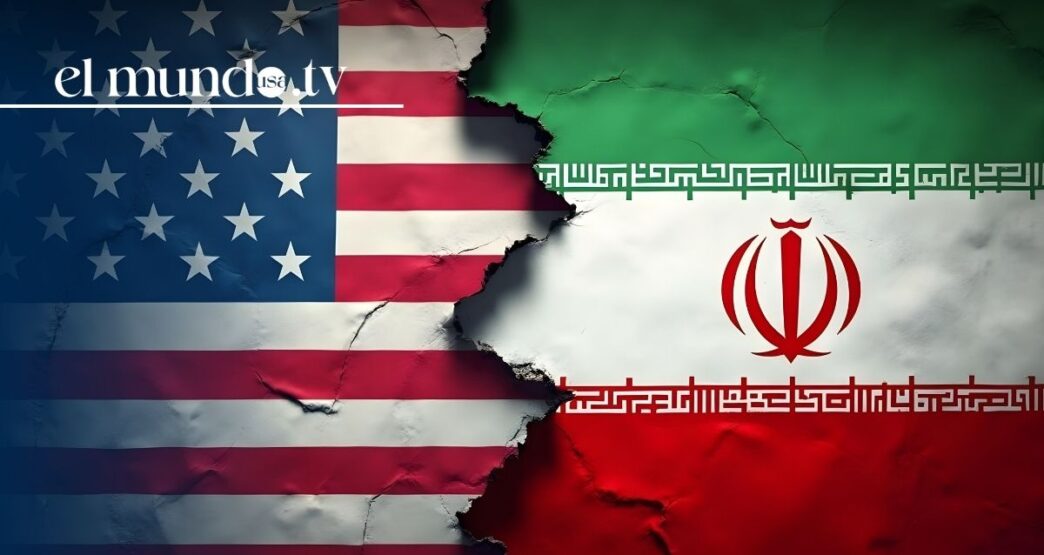
Iran assured that it reached a consensus with the United States on the “guiding principles” of a possible nuclear agreement, following the second round of negotiations held in Geneva.
The announcement was made by the Iranian Foreign Minister, Abas Araqchi, who explained that both parties reached a general understanding that will serve as the basis for drafting a potential formal text.
However, the diplomat warned that this does not guaranty an immediate agreement, as the drafting phase is usually the most complex in these types of international pacts.
Iran-U.S. Nuclear Negotiations: Progress and Obstacles
The talks represent the second formal meeting following the resumption of dialog on February 6 in Muscat, Oman. According to Araqchi, this round was “more serious” and recorded “positive progress”.
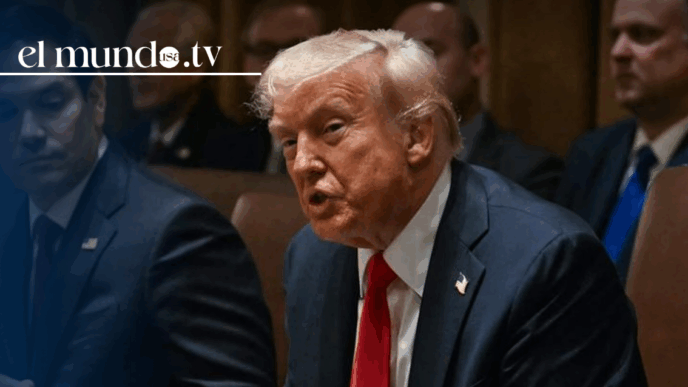
The American team is led by the White House special envoy, Steve Witkoff, and Jared Kushner, a close advisor to President Donald Trump. So far, no date has been set for a third round of negotiations.
Follow our accounts on Facebook and Instagram to stay informed about the most relevant news.
Iranian nuclear program and missiles: the key points of disagreement
One of the main obstacles is Washington’s demand that Tehran limit its uranium enrichment program and reduce the range of its ballistic missiles.
Iran has reiterated that it will not accept “zero enrichment”, arguing that it would affect its defensive capability. The Supreme Leader, Ali Khamenei, stated that having deterrent weaponry is “necessary and obligatory” for the country.
This point is especially sensitive in the context of the recent regional confrontation and the previous bombings of Iranian nuclear facilities.
Partial closure of the Strait of Hormuz and U.S. military deployment
While the talks in Geneva were underway, Iran announced the partial closure of the Strait of Hormuz due to naval maneuvers, a move interpreted as a strategic message amid the growing tension in the Middle East.
For its part, the United States reinforced its military presence in the region with the deployment of the USS Abraham Lincoln aircraft carrier and the sending of the USS Gerald R. Ford, considered one of the most advanced in the world.
Read more: Donald Trump calls Cuba a “failed nation” amid the island’s energy crisis
Political context and tension in the Middle East
The nuclear negotiations are taking place at one of the most delicate moments for the Islamic Republic since 1979, following internal protests and a regional scenario marked by confrontation with Israel and international pressure.
The possible nuclear agreement between Iran and the United States is seen by the international community as a key factor for global energy stability and security in the Middle East, especially due to the impact it could have on the oil market.
Will there be a nuclear agreement between Iran and the United States?
Although both parties acknowledge progress on general principles, the process still faces substantial differences regarding the scope of Iran’s nuclear program and its military capabilities.
International analysts point out that the coming weeks will be decisive in determining whether the consensus reached in Geneva can be translated into a formal agreement that reduces geopolitical tension and avoids military escalation.