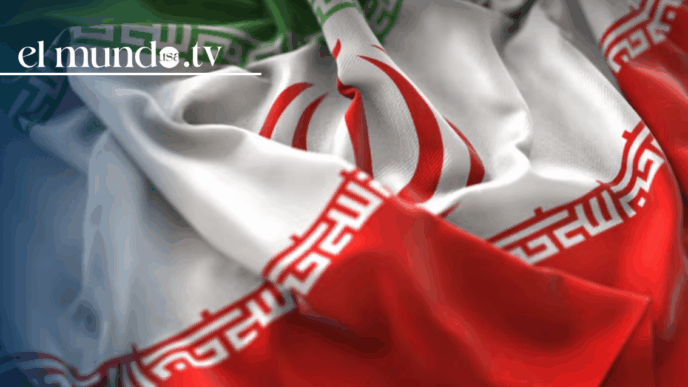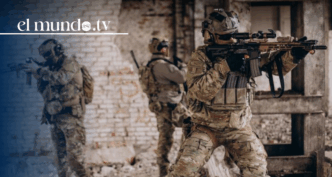
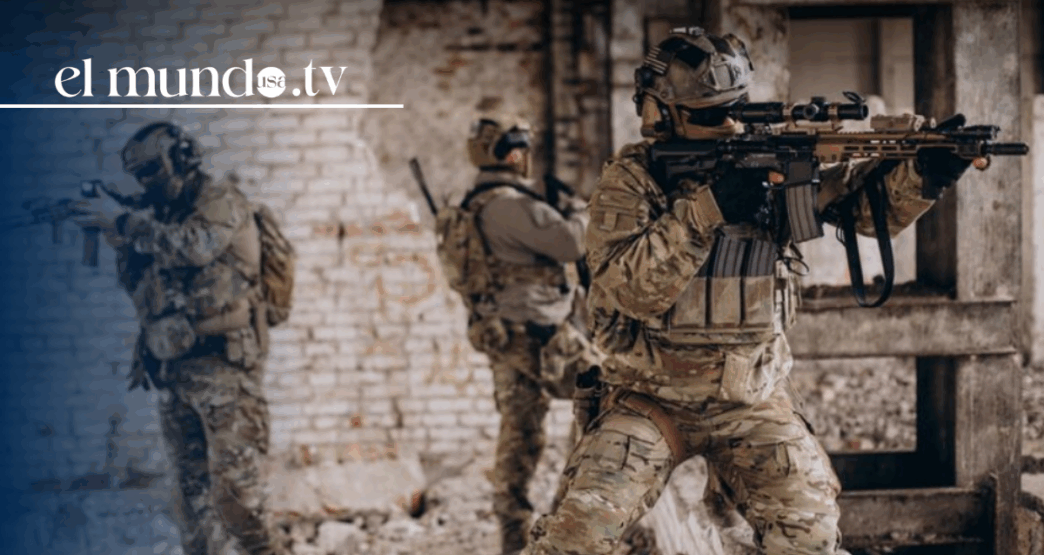
Starting in late January 2026, the United States increased its military deployment throughout the Middle East amid escalating tensions with Iran. This buildup involved the repositioning and reinforcement of troops, equipment, and naval assets in strategic locations across the region. The move reflected the U.S. government’s response to a series of developments linked to Iran’s regional activities and nuclear program.
Military officials announced the arrival of additional forces, including air defense units and advanced missile systems, aimed at strengthening the U.S. military’s capacity to respond to potential threats. Naval vessels were also redirected closer to critical points in the Persian Gulf, enhancing maritime security and deterring hostile actions against commercial and military shipping routes. The increased military footprint covered nations such as Bahrain, Kuwait, and the United Arab Emirates, where U.S. bases maintain longstanding operational roles.
In parallel, diplomatic efforts to engage Iran in nuclear negotiations showed limited progress. Analysts noted that Iran’s draft proposals lacked significant concessions regarding its nuclear ambitions, signaling a continued impasse in talks. This stalled diplomacy added pressure on the United States and its regional partners to prepare for heightened military readiness.
The buildup followed several incidents in preceding months involving missile tests by Iran and increased militia activity supported by Tehran in neighboring countries. These escalations prompted U.S. military commanders to reassess force postures and readiness levels across the Middle East.
Pentagon officials emphasized the nature of the deployment as a precautionary measure designed to safeguard American interests and allies in the region. The U.S. military maintained that the increased presence aimed to deter aggression and provide rapid response capabilities if confrontations arose. Commanders reassured that the forces remained committed to defensive operations, avoiding direct provocations.
The deployment unfolded against a backdrop of regional uncertainties, with various state and non-state actors engaged in competing agendas. The United States coordinated closely with regional partners to synchronize security efforts and intelligence sharing amid a volatile security environment.
This military buildup represented one of the most significant American force augmentations in the Middle East since the early 2020s. It demonstrated Washington’s intent to sustain a robust counterbalance to Iranian influence and potential threats to regional stability. The position of U.S. forces in the Middle East continued to be a key factor in geopolitical calculations across the global security landscape at the time.