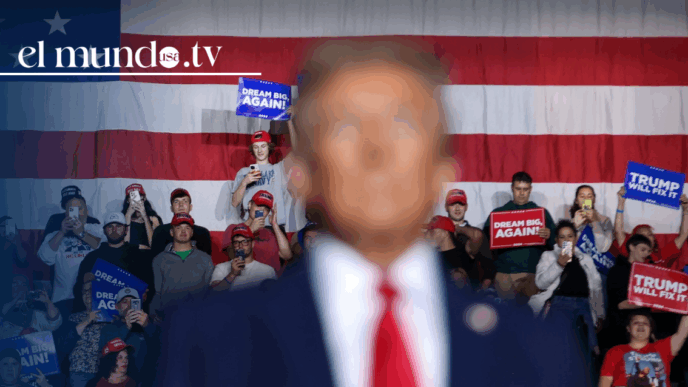
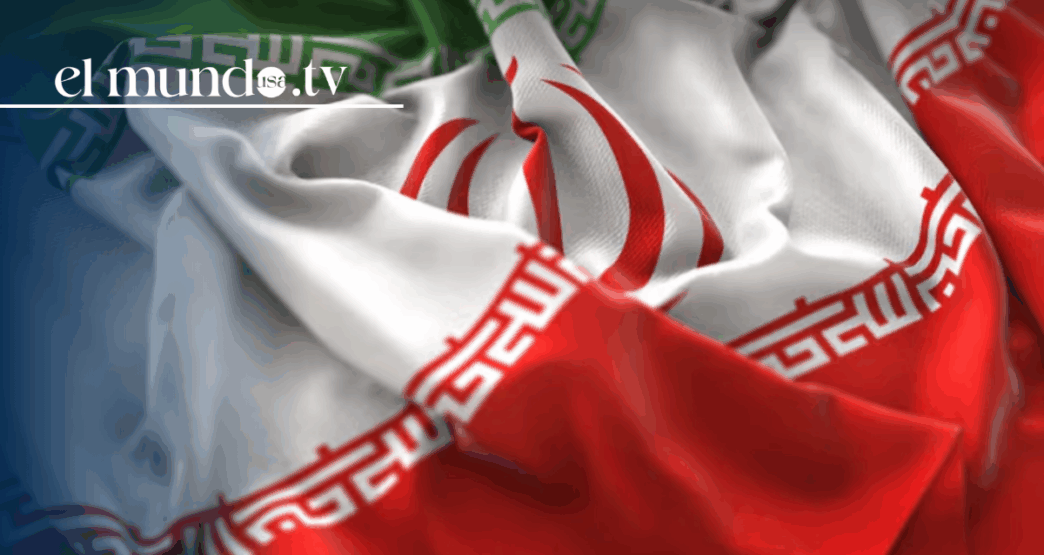
On February 23, 2026, Iran denied reports claiming it was close to reaching a temporary agreement with the United States regarding its nuclear program. The Iranian Foreign Ministry rejected statements that suggested imminent progress in nuclear negotiations, emphasizing that no such deal was under consideration. These denials came amid ongoing talks between Tehran and Washington, which have faced significant challenges since their resumption in 2025.
Visit our facebook and Instagram pages.
The nuclear negotiations, initiated in 2025, aimed to revive elements of the 2015 Joint Comprehensive Plan of Action (JCPOA), an agreement originally designed to restrict Iran’s nuclear activities in exchange for sanction relief. The original deal, reached on July 14, 2015, involved Iran and the P5+1 nations—comprising the United States, the United Kingdom, France, Russia, China, and Germany—engaging in a 20-month negotiation period before finalizing the agreement. However, since the United States withdrew from the deal in 2018, diplomatic relations have remained tense.
In 2025, renewed efforts led by the Biden administration sought to reengage Iran through diplomacy, although obstacles persisted. Following attacks linked to Iranian proxies early in 2025, Tehran temporarily suspended nuclear talks indefinitely, and the United States responded with limited strikes targeting Iranian nuclear facilities. These incidents damaged trust and stalled negotiations for several months.
Amid these difficulties, some Iranian officials signaled the possibility of a fast deal that would require Iran to commit to maintaining a peaceful nuclear program indefinitely. Nevertheless, recent updates indicated Tehran’s unwillingness to make substantial concessions in proposed nuclear frameworks. Meanwhile, U.S. demands emphasized restrictions on Iran’s uranium enrichment capabilities and more rigorous monitoring measures.
Historic context reveals that Iran’s nuclear program dates back to the 1960s with the establishment of the Tehran Research Reactor supplied by the United States, which operated on uranium enriched to low levels. Over subsequent decades, Iran expanded its nuclear infrastructure, sometimes provoking international concern over its potential military dimensions.
The 2015 JCPOA included measures intended to extend Iran’s nuclear breakout time—the period required for Iran to acquire sufficient fissile material for a nuclear weapon—in order to allow for diplomatic monitoring and intervention. These provisions represented a cornerstone of earlier diplomatic efforts.
As of early 2026, the U.S. government reportedly gave Iran a short deadline of 10 to 15 days to advance the nuclear talks with concrete proposals. However, Tehran’s latest official position denies advancing any temporary or comprehensive agreements. The situation suggests that both sides remain entrenched, with the volatile geopolitical context in the Middle East complicating the path forward for nuclear diplomacy.