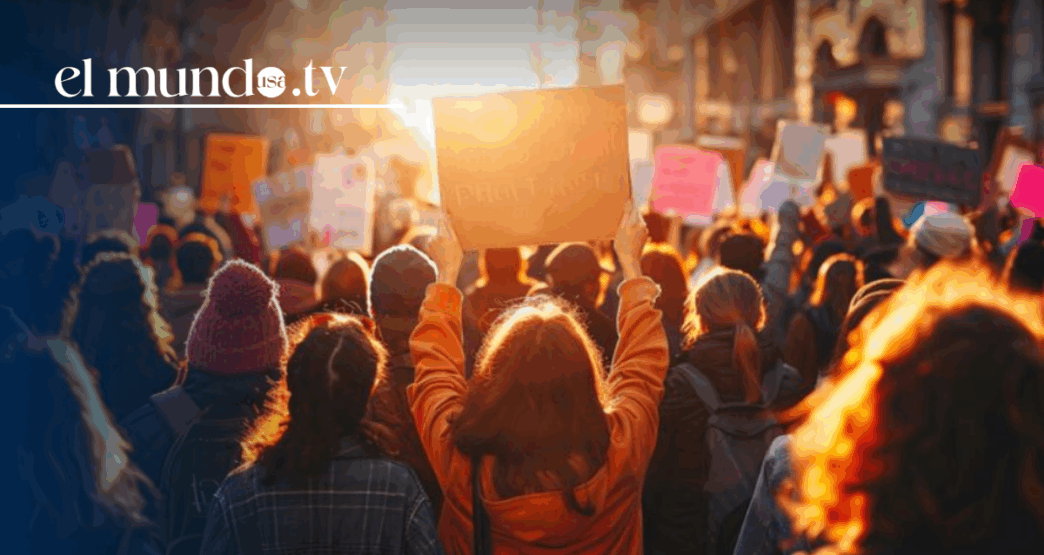
Anti-ICE protests inside churches have drawn attention due to the rarity of political demonstrations occurring within houses of worship. In recent weeks, several protests targeting Immigration and Customs Enforcement (ICE) took place in and near churches in Minneapolis, where clergy and activists voiced opposition to the agency’s enforcement tactics. These demonstrations occurred amid heightened immigration enforcement during Operation Metro Surge, an ICE campaign initiated in early 2026 aimed at apprehending undocumented immigrants, which has also involved individuals lawfully present in the United States.
One incident during this wave of protests involved the detention of a Minneapolis pastor by ICE outside his church. The pastor and other clergy members joined congregants in expressing dissent against ICE raids, adopting traditional freedom songs linked to American civil rights demonstrations. These songs, historically significant to protest movements, marked a return to established forms of expressive resistance within a religious context.
Despite a long-standing history of civil disobedience in the United States, including notable protests by groups such as the AIDS Coalition to Unleash Power (ACT UP) at St. Patrick’s Cathedral in New York in 1989, political demonstrations inside churches remain uncommon. The 1989 ACT UP action during a Mass resulted in minor state charges but underscored the infrequency of such events within sacred spaces.
Legal challenges have emerged from recent anti-ICE protests inside Minneapolis churches, reflecting the complex intersections of religious freedom, civil rights, and law enforcement activities. Authorities charged some protesters for trespassing and disrupting public order after demonstrations entered church grounds. These developments highlight the ongoing debate about the boundaries of protest and sanctuary within religious settings.
Operation Metro Surge intensified enforcement measures, leading to increased tensions between immigrant communities, religious leaders, and federal authorities. The presence of lawfully residing individuals among those targeted attracted additional scrutiny and criticism from local advocates and some clergy who emphasized humanitarian concerns.
The recent protests in Minneapolis resonate with earlier civil rights activism in the United States, where religious spaces occasionally became centers for social justice movements. However, the explicit engagement of clergy in direct confrontation with ICE marks a notable moment in the history of activism within religious institutions. These actions have prompted discussions about the role of churches as places of sanctuary and platforms for political expression.
Overall, the situation reveals a complex dynamic involving immigration enforcement, religious freedom, and protest rights. The legal and social repercussions of holding political demonstrations inside churches continue to unfold as community leaders and authorities navigate these challenges.