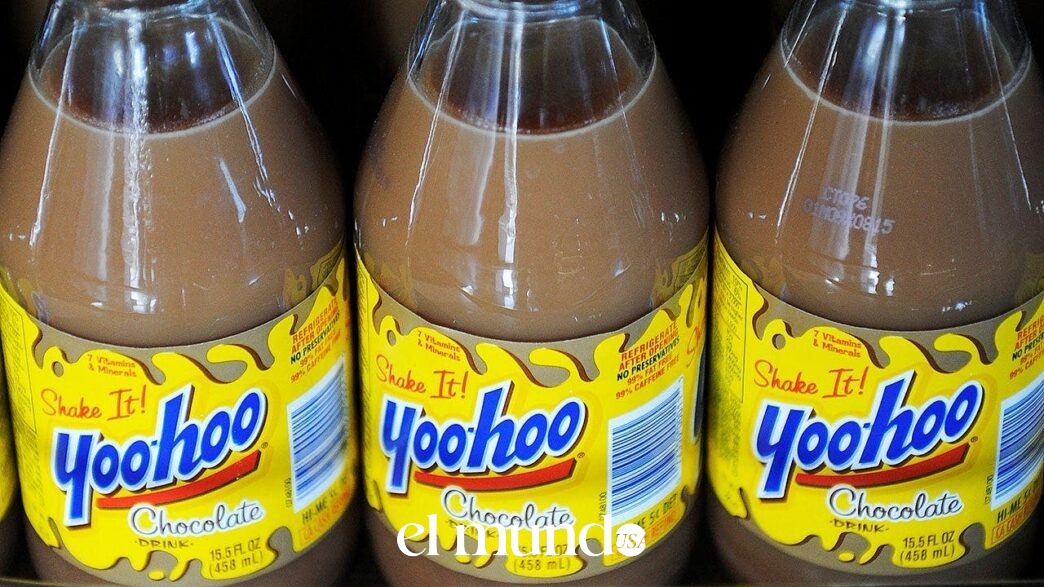
In 1966, PepsiCo made a costly miscalculation when it launched Devil Shake, a chocolate drink intended to compete with the beloved Yoo-hoo brand. Despite investing heavily in market research, Pepsi overlooked a critical factor that would lead to one of its most embarrassing product failures, ultimately selling the entire operation to its competitor for just one dollar.
The story of Devil Shake serves as a cautionary tale about the dangers of underestimating established competitors and the importance of understanding proprietary technology before entering a market.
The Rise of Yoo-hoo and Pepsi’s Challenge
Yoo-hoo was invented in the 1920s by Natale Olivieri, a grocery store owner in New Jersey who developed a unique chocolate drink with an unusually long shelf life. The secret to Yoo-hoo’s success lay in its production process, which used a hydrostatic sterilizer machine inspired by Olivieri’s wife’s tomato canning technique.
By the 1960s, Yoo-hoo had become a household name, particularly after securing endorsements from baseball legends. Yogi Berra and his Yankees teammates promoted Yoo-hoo as “the drink of champions,” cementing its place in American pop culture and making it a formidable competitor in the chocolate beverage market.
The drink’s distinctive formulation sets it apart from typical chocolate milk products. Yoo-hoo contains no liquid milk but does include powdered milk and whey, a composition that contributes to its extended shelf life when combined with the specialized sterilization process.
Pepsi’s Ambitious but Flawed Strategy
PepsiCo saw an opportunity to capture market share in the chocolate drink segment and committed significant resources to the effort. The company conducted a $100,000 internal study to assess the potential success of their new product, Devil Shake.
The research appeared promising. Pepsi’s internal study predicted that Devil Shake would outsell Yoo-hoo by a margin of 5 to 3, suggesting a clear path to market dominance. Armed with this encouraging data, Pepsi moved forward with the launch in 1966.
However, the study contained a fatal oversight. Pepsi failed to account for Yoo-hoo’s proprietary shelf-stabilization technology, which was essential for producing a chocolate drink that could remain fresh on store shelves without refrigeration for extended periods.
The Partnership That Revealed Pepsi’s Weakness
Unable to replicate Yoo-hoo’s shelf-stable formula, Pepsi found itself in an awkward position. The soft drink giant was forced to pay its competitor approximately $1 million to produce Devil Shake using Yoo-hoo’s own manufacturing facilities and technology.
This arrangement essentially meant that Pepsi was paying its rival to make a product designed to compete against that same rival. The irony of the situation highlighted just how unprepared Pepsi had been to enter this particular market segment.
The partnership proved unsustainable. Within a year of introducing Devil Shake, Pepsi made the decision to discontinue the product entirely. The company then sold its Devil Shake operations to Yoo-hoo for the symbolic price of just one dollar.
The Financial Fallout
The Devil Shake venture cost Pepsi millions of dollars in total losses. The company had invested $100,000 in preliminary research, approximately $1 million in production payments to Yoo-hoo, plus additional undisclosed amounts in marketing, distribution, and other operational expenses.
The final sale price of one dollar represented a complete write-off of the entire project. For Yoo-hoo, the outcome could not have been better, as the company eliminated a competitor while gaining whatever assets Pepsi had developed for the Devil Shake brand.
Yoo-hoo’s Continued Success
While Pepsi’s chocolate drink experiment ended in failure, Yoo-hoo has continued to evolve over the decades. The brand has experimented with various flavors over the years, though not all have succeeded. Failed Yoo-hoo flavors include chocolate-banana, double fudge, and island coconut.
Today, Yoo-hoo is owned by Keurig Dr Pepper, Inc., which continues to market the classic chocolate drink along with newer variations.
“We are thrilled that Yoo-hoo’s nostalgic treat flavors like chocolate, strawberry and cookies and cream continue to offer new flavors to keep consumers coming back to enjoy,” Keurig Dr Pepper, Inc. stated.
The company’s commitment to maintaining the brand’s heritage while introducing new options reflects Yoo-hoo’s enduring appeal to American consumers who grew up with the chocolate drink.
Business Lessons from the Devil Shake Failure
The Devil Shake episode illustrates several important principles for companies considering entry into new markets. Pepsi’s reliance on internal studies without fully understanding the competitive landscape proved costly. The $100,000 research investment, while substantial, failed to identify the most critical barrier to entry.
The case also demonstrates the value of proprietary technology in maintaining market position. Yoo-hoo’s hydrostatic sterilizer process, developed decades earlier by founder Natale Olivieri, created a barrier that even a beverage giant like Pepsi could not easily overcome.
Perhaps most significantly, the story shows how established brands with loyal customer bases and celebrity endorsements can be more resilient than market research might suggest. Yogi Berra’s association with Yoo-hoo gave the brand credibility that a new entrant like Devil Shake simply could not match.
Frequently Asked Questions
What was Pepsi’s Devil Shake?
Devil Shake was a chocolate drink launched by PepsiCo in 1966 to compete with Yoo-hoo. The product failed within a year, and Pepsi sold the operations to Yoo-hoo for one dollar.
Why did Devil Shake fail?
Pepsi failed to account for Yoo-hoo’s proprietary shelf-stabilization technology. Unable to produce a shelf-stable chocolate drink independently, Pepsi had to pay Yoo-hoo about $1 million to manufacture Devil Shake, making the business model unsustainable.
Who invented Yoo-hoo?
Yoo-hoo was invented in the 1920s by Natale Olivieri, a grocery store owner in New Jersey. The drink uses a hydrostatic sterilizer machine inspired by his wife’s tomato canning technique.
Does Yoo-hoo contain real milk?
Yoo-hoo contains no liquid milk but does include powdered milk and whey in its formulation, which contributes to its extended shelf life.
Who owns Yoo-hoo today?
Yoo-hoo is currently owned by Keurig Dr Pepper, Inc., which continues to produce the classic chocolate flavor along with other varieties like strawberry and cookies and cream.
How much money did Pepsi lose on Devil Shake?
Pepsi lost millions of dollars on the Devil Shake venture, including $100,000 on internal research and approximately $1 million paid to Yoo-hoo for production, plus additional operational costs.
The Devil Shake story remains a notable example of a major corporation underestimating both its competition and the technical challenges of entering an established market. Pepsi’s failure to secure the necessary technology before launch turned what was projected to be a successful product into one of the company’s most expensive mistakes of the 1960s.