In a race against rising ocean temperatures, marine biologists from the University of Miami took urgent action on July 22, 2026, transporting 30 pieces of critically endangered elkhorn coral from offshore nurseries to a protected land-based facility. The emergency measure comes amid growing concerns that this summer could bring catastrophic bleaching events that threaten to eliminate remaining coral populations along the Florida coast.
Why Scientists Are Taking Emergency Action
The decision to bring coral specimens ashore wasn’t made lightly. According to researchers, all indicators suggest that 2026 will be an exceptionally difficult year for coral survival, potentially surpassing the devastating heat wave of 2023 that decimated elkhorn coral populations throughout South Florida.
“They seem to be blending into each other and corals are not getting time to recover,” explained Diego Lirman, associate professor of marine biology at the University of Miami, referring to the increasing frequency of mass bleaching events.
The elkhorn coral, once abundant throughout the Caribbean and Florida waters, has been pushed to the brink of extinction. The combination of the 2023 heat wave and a subsequent event in 2024 left populations functionally extinct from Broward County to the Florida Keys. This means the remaining colonies have become so small and scattered that natural reproduction in the wild is no longer possible.
The Rescue Operation Process
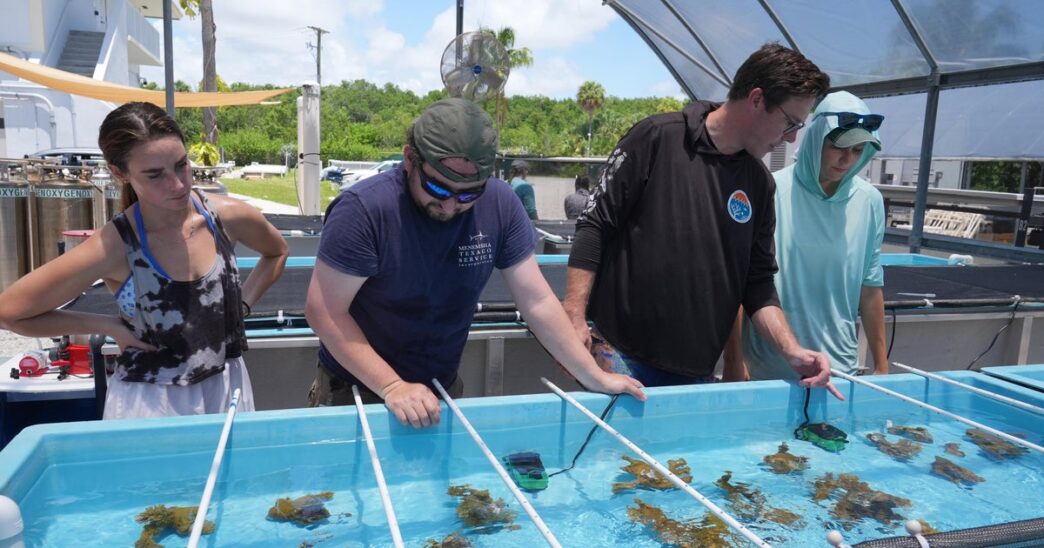
The meticulous rescue operation on July 22 involved trained divers who carefully selected genetically diverse coral fragments from coastal nurseries. The collection process required extreme care to preserve the delicate specimens during transport:
- Each coral piece was wrapped in wet bubble wrap for protection
- Specimens were placed in temperature-controlled coolers
- Upon arrival at the facility, all pieces underwent thorough sanitization
- Corals were transferred to specialized saltwater restoration tanks at the University of Miami Rosenstiel School of Marine, Atmospheric, and Earth Science in Key Biscayne
Research associate Julia Cafiero and her colleagues worked diligently to ensure each specimen received proper care during the critical transition from ocean to laboratory environment.
Preserving Genetic Diversity for Future Generations
One of the primary goals of this rescue mission extends beyond simple survival. Scientists are working to maintain as much genetic diversity as possible within the captive coral populations. The University of Miami actively exchanges coral specimens with other research institutions and facilities throughout the region to create a distributed network of genetic preservation.
This strategy serves as an insurance policy against catastrophic loss. If one facility experiences problems, the genetic information contained in other locations remains safe. Professor Lirman emphasized the importance of this approach, noting that different coral specimens may carry unique survival advantages.
“You never know: You may have some that are resistant to disease, some that are resistant to temperature, some that are resistant to acidification. Once we lose them, then that information is lost,” Lirman stated.
The Broader Impact of Coral Loss
The potential extinction of elkhorn coral represents far more than an environmental tragedy. Coral reefs serve multiple critical functions that affect communities throughout South Florida and beyond:
- Protection of coastlines from powerful storm surges during hurricanes
- Support for commercial and recreational fishing industries
- Foundation for tourism economies worth billions of dollars annually
- Habitat for countless marine species that depend on reef ecosystems
Florida’s coral populations have endured four mass bleaching events over the past decade alone. When water temperatures rise beyond tolerable levels, coral expels the symbiotic algae living within its tissues, causing the characteristic white appearance known as bleaching. If conditions don’t improve quickly enough, the bleached coral dies.
Looking Ahead to an Uncertain Future
Climate change continues to drive ocean temperatures higher, creating increasingly hostile conditions for coral survival. Scientists warn that without significant action to address rising temperatures, even the most intensive conservation efforts may prove insufficient to save these ancient organisms.
The work being done at facilities like the University of Miami represents humanity’s best effort to preserve coral genetic diversity while researchers search for more permanent solutions. Whether these efforts will ultimately succeed in restoring wild elkhorn populations remains uncertain, but marine biologists remain committed to the fight against extinction.
For the Latino community in South Florida, the health of local coral reefs directly impacts everything from beach protection to fishing opportunities. The ongoing research serves as a reminder that environmental conservation requires sustained attention and resources, particularly as climate conditions continue to intensify year after year.