The Democratic Republic of the Congo is battling its 17th Ebola outbreak amid severe challenges that humanitarian workers say could make this one of the most difficult to contain. As of Friday, the World Health Organization reported 750 confirmed cases and 177 deaths, while responders face misinformation, armed conflict in the affected region, and the critical absence of any vaccine or therapeutics for the rare strain causing the outbreak.
The outbreak, centered in Ituri Province, is caused by the Bundibugyo strain of Ebola, which presents unique obstacles for medical teams. Standard Ebola tests initially came back negative because they could only detect the Zaire strain, allowing the virus to spread undetected in communities before proper diagnosis was possible.
Rare Strain Complicates Detection and Treatment
The Bundibugyo strain has left health workers without the tools they relied on during previous outbreaks. No vaccine or therapeutics exist for this particular strain, forcing medical teams to rely on basic containment measures that were standard before recent medical advances.
Ky Luu, president and chief operations officer for International Medical Corps, described the situation bluntly: “We don’t have that tool. We’re kind of back to where we were with the West Africa Ebola outbreak.”
That 2014-2016 outbreak in West Africa resulted in more than 28,000 cases and more than 11,000 deaths.
The diagnostic challenges have created additional delays. Tests are now being sent to a laboratory in Kinshasa, taking days for results. Alan Gonzalez, director of operations for Médecins Sans Frontières, said the delays are hampering response efforts: “We cannot diagnose as fast as we want.”
Luu added that without an authorized vaccine, “it is pretty much back to the basics of Ebola.”
What We Know So Far
The outbreak has reached 750 confirmed cases with 177 deaths as of the most recent WHO report on Friday. The epicenter is in Ituri Province, an active conflict zone in eastern Congo where approximately 100 armed groups are fighting for control of the territory.
International Medical Corps has deployed four rapid response teams to the affected area. The U.S. State Department has committed $23 million in foreign assistance to support the response.
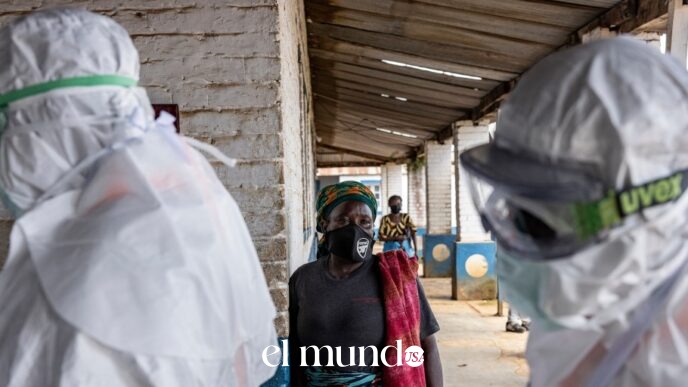
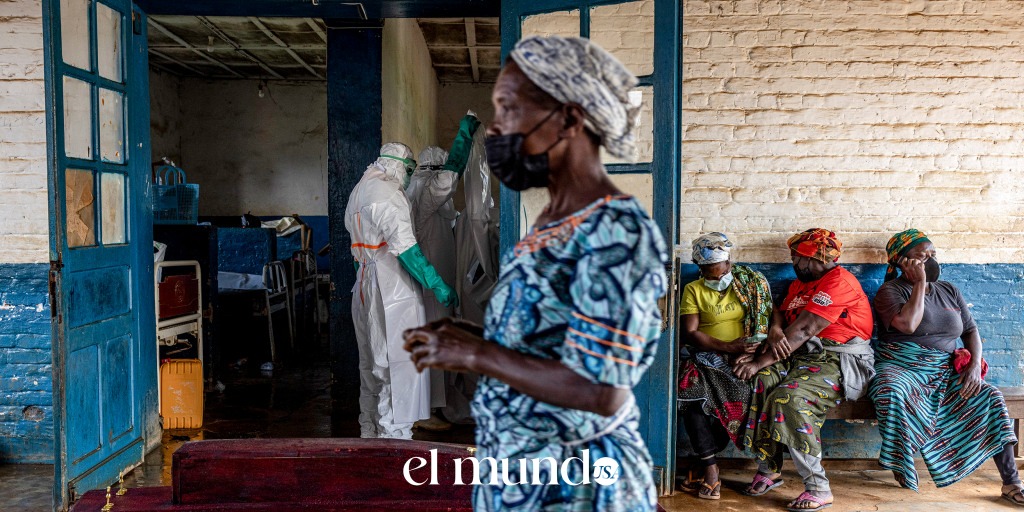
Isolation facilities in Bunia, the largest city in Ituri Province, are already full. Gonzalez confirmed that “places to isolate suspected cases, they are full,” forcing medical teams to convert a surgical center into an improvised isolation facility.
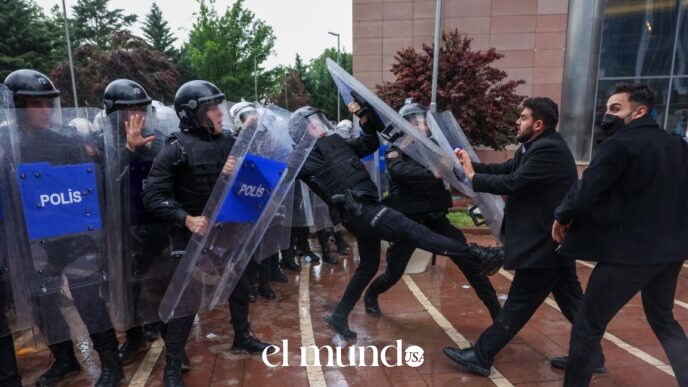
On Thursday, the response faced another setback when protesters in Rwampara set fire to hospital tents after being denied a body for traditional burial practices.
Misinformation and Community Distrust
False beliefs about Ebola and distrust of humanitarian workers are complicating efforts to contain the spread. Rose Tchwenko, Congo country director for Mercy Corps, explained the initial confusion that allowed the virus to spread within families.
“The initial thought for the family, even the patient, was that this was related to traditional practices, or maybe even witchcraft. That’s part of the speculation, because it was handled almost entirely in the family with caregivers, religious leaders and community leaders,” Tchwenko said.
She added that “there are still, unfortunately, a lot of false beliefs around Ebola. There’s also a lot of suspicion in certain areas around humanitarian actors or government.”
The attack on hospital facilities in Rwampara illustrates how tensions between public health requirements and traditional practices can erupt into violence, further endangering response efforts.
Armed Conflict Creates Access Barriers
The location of the outbreak in Ituri Province presents extraordinary logistical and security challenges. Greg Ramm, Save the Children’s country director in Congo, described the difficult operating environment.
“There’s about 100 armed groups that are just fighting for control, so it makes it very, very difficult in order to get access to have appropriate surveillance, and it’s going to be a logistical challenge. It’s remote. It’s densely populated, and the fact that we have a protracted conflict, it’s making the response at this point in time very, very challenging,” Ramm said.
Gonzalez emphasized that responders are racing against time under difficult circumstances: “It’s a race to set up the treatment centers, the screening units. It’s a race to be able to get supplies into these impacted areas, so you know we’re having to look at sourcing locally for materials, simple things like gowns and gloves and chlorine.”
Reduced Humanitarian Assistance Adds Pressure
The response is also constrained by declining international support for humanitarian operations in the country. Ramm noted that assistance levels have dropped compared to previous years.
“The amount of humanitarian assistance that’s come into Congo this year compared to two years ago is much less. We are working in fewer health centers than we were before. Therefore, we have fewer mobilized community health workers now,” Ramm said.
This reduction in resources means fewer trained workers on the ground at a critical moment when rapid community engagement is essential for containing the outbreak.
What Happens Next
Humanitarian organizations continue deploying resources to the affected region while working to overcome the multiple barriers to an effective response. The immediate priorities include establishing additional treatment centers, securing supplies, and working to build community trust.
Gonzalez assessed the potential severity of the situation: “It has all the potential of being the worst outbreak.”
With isolation facilities already at capacity, diagnostic results taking days, no vaccine available, armed conflict restricting access, and community distrust leading to violent incidents, responders face a complex set of challenges that will require sustained international support and resources.
Frequently Asked Questions
Why is this Ebola outbreak different from previous ones?
This outbreak is caused by the Bundibugyo strain of Ebola, for which no vaccine or therapeutics exist. Standard tests initially failed to detect this strain because they were designed only to identify the Zaire strain, allowing the virus to spread before proper diagnosis.
How many cases and deaths have been reported?
As of Friday, the World Health Organization reported 750 confirmed cases and 177 deaths. This is Congo’s 17th Ebola outbreak.
What is the United States doing to help?
The U.S. State Department has committed $23 million in foreign assistance to support the Ebola response in the Democratic Republic of the Congo.
Why is the response so difficult?
The outbreak is centered in Ituri Province, a conflict zone with approximately 100 armed groups fighting for control. Additional challenges include misinformation about Ebola, full isolation facilities, reduced humanitarian assistance compared to previous years, and delays in diagnostic testing.
International Medical Corps has deployed four rapid response teams to support containment efforts, while other humanitarian organizations continue working to establish treatment facilities and secure essential supplies in the affected areas.