

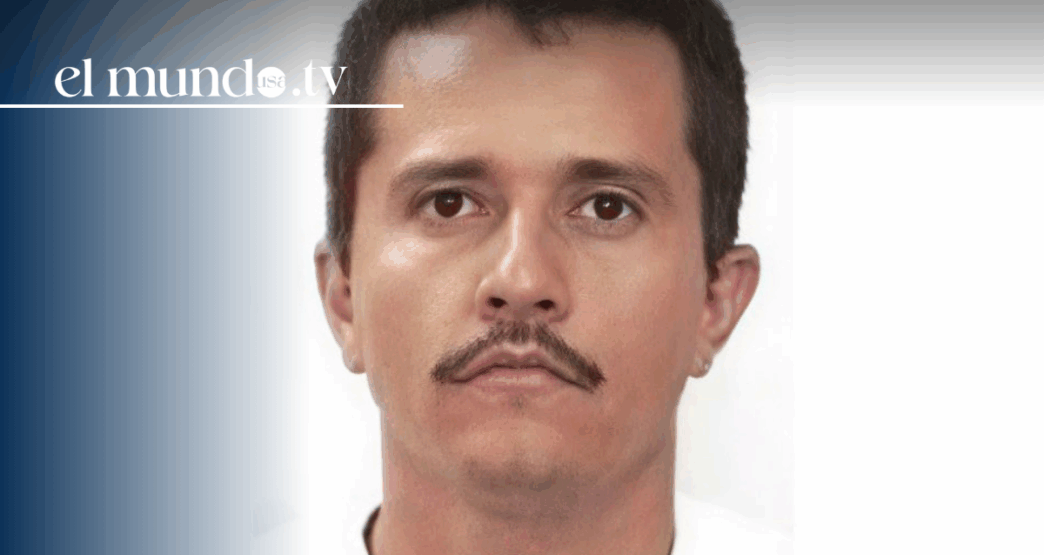
As part of a high-level federal operation, Mexican authorities confirmed the death of Nemesio Oseguera Cervantes, known as “El Mencho,” who led the Cártel Jalisco Nueva Generación (CJNG), one of the most powerful criminal organizations in the country.
Following the security deployment, violent incidents were reported in at least six states, mainly in Jalisco, where roadblocks with burning vehicles, attacks on civilians, and public disturbances were recorded from the early hours of the weekend. Cities such as Puerto Vallarta experienced significant disruptions to mobility and economic activity, while state authorities urged residents to avoid federal highways due to ongoing risks.
According to official reports, the operation was the result of intelligence work and coordination among multiple federal agencies. The action triggered immediate reactions from CJNG cells across various regions, leading to violent acts and the activation of security protocols in several states.
Who was El Mencho, leader of the CJNG and one of the most wanted men by the US?
Oseguera Cervantes, originally from Michoacán, began his criminal trajectory after a stay in the United States, where he was arrested on drug-related charges and later deported. He subsequently joined the Milenio Cartel, from which the CJNG later emerged. Under his leadership, the organization expanded significantly and developed an operational structure known for its discipline, firepower, and confrontational tactics.
Mexican and U.S. authorities considered him one of the main figures responsible for trafficking synthetic drugs—especially methamphetamines and fentanyl—into the United States. He was also linked to networks of extortion, drug distribution routes, and other high-impact criminal activities.
The CJNG has been associated with armed clashes against security forces, coordinated attacks, and highway blockades, making it one of the most violent criminal groups in Mexico. For years, “El Mencho” appeared on the U.S. government’s most-wanted list, with multimillion-dollar rewards offered for information leading to his capture.
While the death of the cartel leader represents a significant blow to the organization, analysts warn it could also trigger internal disputes, power struggles, and a potential rise in violence in regions where the group has maintained a strong presence.