


France assumed the G7 presidency in 2026 amid a complex global landscape marked by significant economic and geopolitical tensions. This annual presidency tasked French officials with steering the agenda of the Group of Seven, an intergovernmental organization comprising the world’s largest advanced economies. At the same time, the United States took over the presidency of the G20 from South Africa, a forum that brings together a broader group of nations to discuss international financial and economic cooperation.
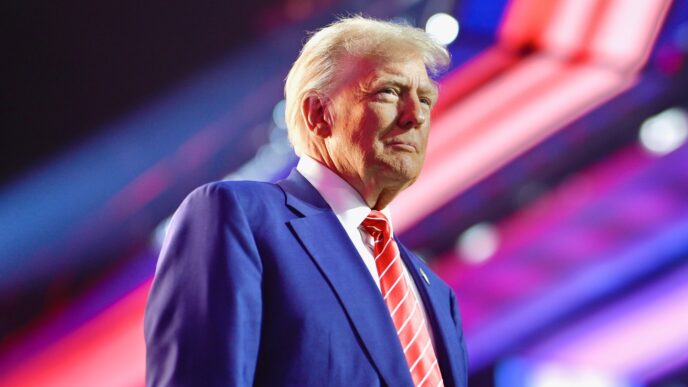
French policymakers in 2026 faced the challenge of fostering collaboration between the G7 and G20, particularly in view of evolving international dynamics and political differences. As the United States, under President Donald Trump, began its role leading the G20, French leaders sought concrete areas where joint efforts and coordination could be feasible. Key priorities identified for collaboration between the G7 and G20 included economic stabilization, climate change mitigation, and addressing international security risks.
The relationship between France and the United States holds deep historical roots, dating back to 1778 when the Kingdom of France first established formal diplomatic ties with the newly independent United States through the Treaty of Alliance. This treaty cemented an early strategic partnership during the American Revolutionary War. Over the centuries, the two countries have experienced periods of close cooperation alongside diplomatic frictions.
In more recent history, diplomatic relations between France and the United States encountered strain during the 2003 Iraq War, when France opposed the U.S.-led invasion. Despite occasional diplomatic discord, the bilateral relationship often revolves around shared democratic values, military alliances within NATO, economic ties, and cultural exchange.
During 2026, the conduct of France’s G7 presidency and the U.S. G20 leadership occurred against the backdrop of an increasingly fragmented international order. Issues such as global inflation, trade disputes, energy security, and climate commitments required coordinated responses. French authorities emphasized the importance of dialogue and multilateral cooperation to navigate these challenges effectively.
Additionally, diplomatic protocols sometimes revealed tensions. For instance, French officials in February 2026 publicly demanded explanations from the U.S. after envoy Charles Kushner did not attend a scheduled meeting meant to clarify controversial remarks. Such incidents highlighted ongoing complexities in transatlantic relations amid high-stakes international negotiations.
Overall, the year saw France and the United States engaged in parallel leadership roles on the global stage, navigating an environment shaped by geopolitical rivalry, economic uncertainty, and the urgent need for international collaboration. The G7 and G20 presidencies gave both nations platforms to influence global governance while managing bilateral diplomatic challenges rooted in their long shared history.