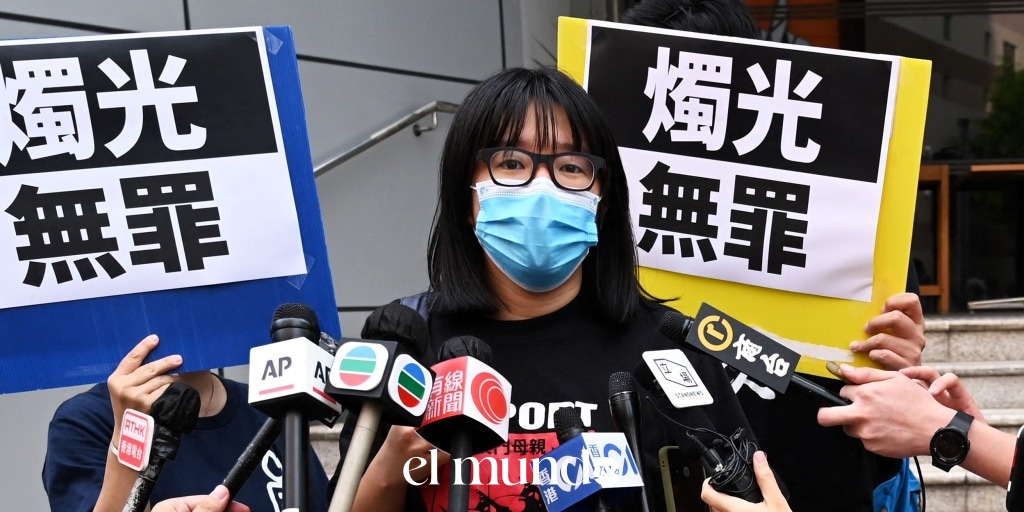
A Hong Kong court heard final arguments on Monday in the national security trial of two former leaders who organized annual vigils commemorating the 1989 Tiananmen Square crackdown. Chow Hang-tung and Lee Cheuk-yan, former leaders of the Hong Kong Alliance in Support of Patriotic Democratic Movements of China, face up to 10 years in prison if convicted of inciting subversion.
Both defendants have pleaded not guilty to the charges brought against them in 2021 under a Beijing-imposed national security law. The trial, which began in January 2026, was initially scheduled to last 75 days. Prosecutor Ned Lai presented arguments on Monday as the case moved toward its conclusion.
Main Developments in the Trial
The prosecution argued that the defendants’ demand to end one-party rule constituted incitement to overthrow the Communist Party. Prosecutor Ned Lai stated during the proceedings that freedoms of speech, association and assembly are not protections that can override the law.
“The freedoms of speech, association and assembly mentioned by D2 and D4 are not ‘trump cards’ that can override the law,” Prosecutor Ned Lai said during the hearing.
Chow Hang-tung, a barrister by profession, defended herself in the trial. Lee Cheuk-yan was represented by lawyer Erik Shum. Their co-defendant Albert Ho pleaded guilty when the trial began in January 2026.
The charges stem from the organization of vigils that commemorated the 1989 Tiananmen Square crackdown. Hong Kong was the only place in China where large-scale Tiananmen commemorations were held for decades before authorities banned the vigils in 2020. Tens of thousands of people attended the annual events before the ban was imposed.
What We Know So Far
The trial involves three defendants, though one has already pleaded guilty. Chow Hang-tung and Lee Cheuk-yan maintain their not guilty pleas. Both were charged in 2021 with inciting subversion under the national security law that Beijing imposed on Hong Kong.
The defendants were former leaders of the Hong Kong Alliance in Support of Patriotic Democratic Movements of China, an organization that coordinated the annual June 4 vigils marking the anniversary of the Tiananmen crackdown.
Hong Kong returned to Chinese rule in 1997, with Beijing promising to maintain civil liberties for 50 years after the handover. The annual Tiananmen vigils continued for decades until they were banned in 2020.
Human rights organization Amnesty International has called for the charges against the defendants to be dropped. Sarah Brooks, Amnesty International Deputy Regional Director, has spoken about the case.
What Happens Next
With final arguments now heard, the court will proceed toward delivering a verdict. The timing for when the verdict will be announced has not been disclosed.
If convicted, Chow Hang-tung and Lee Cheuk-yan each face up to 10 years in prison. Albert Ho, who pleaded guilty at the start of the trial, awaits sentencing.
The case remains closely watched by international observers and human rights organizations monitoring civil liberties in Hong Kong following the implementation of the national security law.
Important Details About the Case
The charges relate specifically to the organization of candlelight vigils that marked the June 4 anniversary of the 1989 Tiananmen Square crackdown. These vigils drew tens of thousands of participants annually before they were banned.
The prosecution’s case centers on the argument that calling for an end to one-party rule amounts to incitement to subversion under the national security law. The defendants have maintained their innocence throughout the proceedings.
Chow Hang-tung chose to represent herself in court, using her professional legal training as a barrister. Lee Cheuk-yan retained Erik Shum as his defense lawyer.
The trial was originally scheduled to span 75 days, reflecting the complexity and significance of the case. It began in January 2026 and has now reached the final arguments stage.
Frequently Asked Questions
Who are the defendants in the Tiananmen vigil trial?
The defendants are Chow Hang-tung and Lee Cheuk-yan, former leaders of the Hong Kong Alliance in Support of Patriotic Democratic Movements of China. A third defendant, Albert Ho, pleaded guilty when the trial began in January 2026.
What charges do the Tiananmen vigil organizers face?
They were charged in 2021 with inciting subversion under a Beijing-imposed national security law. The charges relate to their organization of annual vigils commemorating the 1989 Tiananmen Square crackdown.
What sentence could the Tiananmen vigil organizers receive?
If convicted, Chow Hang-tung and Lee Cheuk-yan each face up to 10 years in prison.
When were Tiananmen vigils banned in Hong Kong?
The vigils were banned in Hong Kong in 2020. Before the ban, Hong Kong was the only place in China where large-scale Tiananmen commemorations were held, with tens of thousands attending annually.
How have the defendants pleaded in the trial?
Chow Hang-tung and Lee Cheuk-yan have both pleaded not guilty. Their co-defendant Albert Ho pleaded guilty when the trial began in January 2026.
The trial represents one of the most significant national security cases in Hong Kong since the law was imposed. With final arguments now complete, attention turns to when the court will deliver its verdict in this closely monitored case.