Mexico’s National Action Party (PAN) has raised serious concerns about transparency in federal spending on infrastructure projects for the 2026 FIFA World Cup, claiming that more than 17 billion pesos cannot be properly accounted for in official records. The allegations come as the country prepares to co-host the international soccer tournament alongside the United States and Canada.
PAN vice-coordinator in the Chamber of Deputies, Héctor Saúl Téllez, presented the claims on June 13, 2026, pointing to what he described as a significant gap between reported expenditures and documented projects in the government’s own Transparency Platform.
Main Allegations Against World Cup Spending
According to Téllez, the federal government has spent approximately 30 billion pesos on World Cup infrastructure projects. However, when examining the official Transparency Platform, only 12.384 billion pesos appear with detailed documentation. This leaves over 17.215 billion pesos without proper records or public oversight.
“The government boasts of a brutal expenditure of almost 30 billion pesos spent against the clock. But when you review their own Transparency Platform, the breakdown of major projects barely adds up to 12.384 billion. Where are the other 17.215 billion 900 thousand phantom pesos? Diluted in supposed minor actions without bidding and far from public view,” Téllez stated.
The PAN representative also cited findings from the Superior Audit Office, which documented that 35 percent of the total budget was awarded through direct contracts without competitive bidding processes.
Specific Projects Under Scrutiny
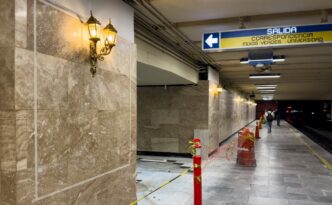
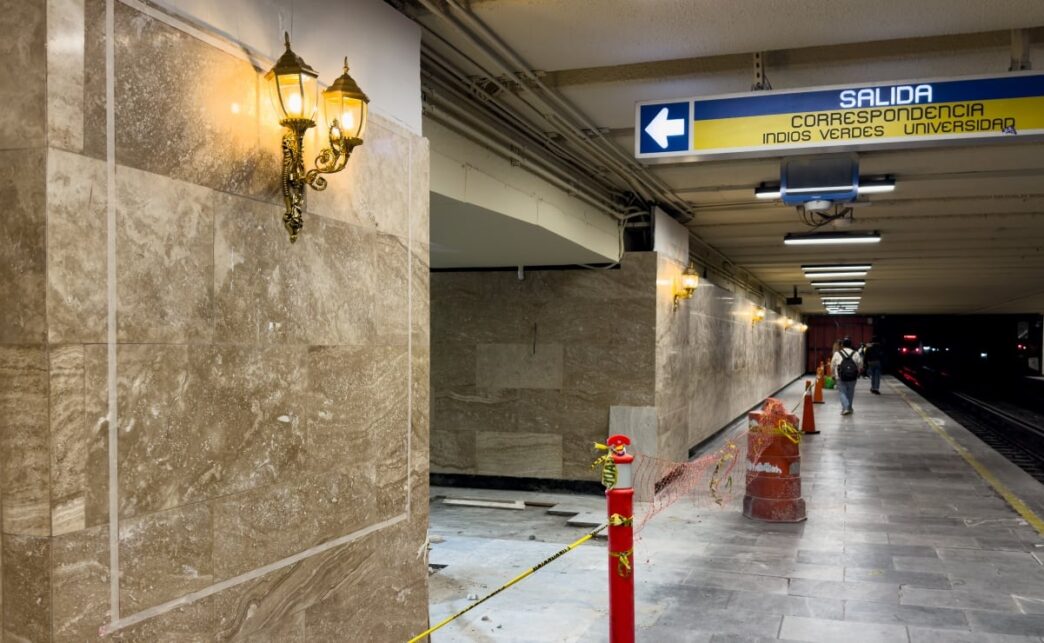
Téllez pointed to several infrastructure projects that he claims raise transparency concerns. The modernization of Metro Line 2 in Mexico City cost 2.4 billion pesos, according to the allegations. Additionally, Metro stations Viaducto and Bellas Artes were remodeled for 113 million pesos by companies that were recently created.
“The fast-track remodeling of Metro stations stands out, like Viaducto and Bellas Artes for 113 million pesos to recently created companies, hastily formed. Zero Executive Projects as the law requires, everything hidden under the table. Like a perfect fit for corruption and opacity,” Téllez said.
The congressman noted that the Metro Line 2 rehabilitation only reached San Antonio Abad station, and water leaks appeared one day after Line 2 reopened to the public.
To put the spending in perspective, Téllez compared the alleged undocumented amount to other government budgets, noting that the Mexico City Health Secretariat’s entire 2026 budget is 17.3 billion pesos.
“While hospitals operate without basic supplies and medications, the money went to express contracts for the photo op,” Téllez stated.
Time Frame for Preparations
The PAN representative emphasized that Mexico had eight years, or 2,920 days, to plan infrastructure for the World Cup, questioning why so many projects appeared to be rushed at the last minute with what he described as inadequate oversight.
What We Know So Far
The allegations presented by PAN include specific figures that can be verified against government records. The federal government reportedly spent approximately 30 billion pesos on World Cup infrastructure. Of this amount, only 12.384 billion pesos are detailed in the official Transparency Platform.
The Superior Audit Office has documented that 35 percent of the budget was awarded without competitive bidding through direct adjudications. Specific projects mentioned include Metro Line 2 modernization at 2.4 billion pesos and Metro station remodeling at Viaducto and Bellas Artes for 113 million pesos.
It is important to note that these are allegations made by opposition lawmakers. The specific contract details for the undocumented spending and the names of the recently created companies that received contracts have not been disclosed. The federal government’s response to these allegations has not been reported.
Separate Initiative on Animal Trafficking
In a separate matter, PAN congressman Ernesto Sánchez called for the creation of anonymous reporting systems to combat exotic animal trafficking in Mexico. The proposal urges PROFEPA, the federal environmental protection agency, and state governments to establish mechanisms for citizens to report illegal wildlife possession without revealing their identities.
Sánchez cited a recent case at a property called Balam Há, located south of Playa del Carmen in Quintana Roo, where endangered species were found in poor conditions. The animals discovered included a puma, a howler monkey, two macaws, a magpie, and a king condor.
“In PAN we propose and have always sought to protect endangered wildlife species. We invite citizens to report and expose cases in which they have knowledge about animal abuse or illegal custody of them,” Sánchez said.
What Happens Next
The status of any official investigation into the World Cup spending allegations remains unclear. PAN has presented its concerns publicly, but whether formal legal actions will follow has not been confirmed.
Regarding the animal trafficking proposal, the timeline for potential implementation of anonymous reporting systems by PROFEPA or state governments has not been specified. The status of the investigation at the Balam Há property in Quintana Roo also remains pending.
Important Details
The 2026 FIFA World Cup will be co-hosted by Mexico, the United States, and Canada. Mexico has been preparing infrastructure to accommodate the international sporting event, though specific details about which cities will host matches or the timeline for World Cup activities in Mexico were not included in the allegations.
The transparency concerns raised by PAN focus specifically on federal spending and documentation practices. The party alleges that the lack of competitive bidding for 35 percent of contracts represents a departure from standard procurement practices.
Frequently Asked Questions
How much has Mexico spent on World Cup infrastructure?
According to PAN allegations, the federal government has spent approximately 30 billion pesos on World Cup infrastructure projects, though only 12.384 billion pesos appear documented in the official Transparency Platform.
What percentage of World Cup contracts were awarded without bidding?
The Superior Audit Office documented that 35 percent of the total budget was awarded through direct contracts without competitive bidding processes, according to PAN’s presentation.
What animals were found at the Balam Há property?
Endangered species found at the property south of Playa del Carmen in Quintana Roo included a puma, a howler monkey, two macaws, a magpie, and a king condor, all reportedly in poor conditions.
What is PAN proposing for animal trafficking reports?
PAN congressman Ernesto Sánchez is calling for PROFEPA and state governments to create anonymous reporting systems that would allow citizens to report exotic animal trafficking without revealing their identities.
The allegations from PAN representatives represent claims from opposition lawmakers regarding government spending practices. The federal government has not publicly responded to the specific transparency concerns raised about World Cup infrastructure expenditures.