Pakistani forces conducted overnight airstrikes and a ground operation along the Pakistan-Afghanistan border late Sunday, killing at least 36 Afghan civilians and injuring more than 160 others, according to Afghan officials. Pakistan disputes these figures, claiming the strikes killed 29 militant fighters in operations targeting hideouts used by armed groups.
Afghanistan’s Taliban government condemned the strikes as a “cowardly act of aggression” and an “act of brutality.” The operation marks the latest escalation in cross-border violence that has killed hundreds of people since February.
Main Developments
The Pakistani military operation struck multiple locations across several Afghan provinces during the overnight hours of Sunday. According to Afghan officials speaking on Monday, the attacks caused significant civilian casualties across Paktia, Paktika, and Kunar provinces.
In Chamkani district of Paktia province, a home was targeted in the strikes, killing an elderly man and a child. A second attack in the same area proved even more deadly when rescuers responding to the initial strike were themselves hit, killing 28 villagers and wounding 158 others.
In Giyan district of Paktika province, six people were killed, with Afghan officials reporting that most of the victims were women and children. A separate strike hit a home in Kunar province, killing approximately 30 livestock but causing no human casualties.
Pakistan’s Information Minister Attaullah Tarar stated that the strikes were in response to multiple militant attacks across Pakistan. According to Pakistani officials, 29 fighters were killed in the operations targeting militant hideouts along the border region.
What We Know So Far
The airstrikes followed a militant attack on paramilitary Rangers headquarters in Karachi that killed three Pakistani soldiers. In response to that attack, three attackers were killed and one Afghan national was arrested. The militant group Jamaat-ul-Ahrar claimed responsibility for the Karachi attack.
Afghan officials and Pakistani officials have offered significantly different accounts of the casualties from the overnight operations. Afghan authorities report 36 civilians killed and more than 160 injured, while Pakistan claims 29 militant fighters were killed.
Hamdullah Fitrat, deputy spokesman for Afghanistan’s Taliban government, was among officials who condemned the Pakistani operation. The Taliban government, which returned to power in Afghanistan in 2021, characterized the strikes as an act of aggression against Afghan territory.
This marks at least the second round of Pakistani airstrikes on Afghanistan in less than three weeks. The ongoing cross-border tensions have resulted in hundreds of deaths since February, when Afghanistan launched retaliatory strikes after previous Pakistani military operations.
What Happens Next
The international community has attempted to mediate between the two nations. China hosted talks between Pakistan and Afghanistan in April, though the status of those diplomatic efforts following the latest escalation remains unclear.
Both nations have traded accusations over harboring militant groups that carry out attacks across the border. Pakistan has repeatedly accused Afghanistan of allowing militant organizations to operate from Afghan territory, while Afghanistan has condemned Pakistani military operations as violations of its sovereignty.
The situation remains tense along the border region, with both governments maintaining their positions regarding responsibility for the ongoing violence.
Important Details
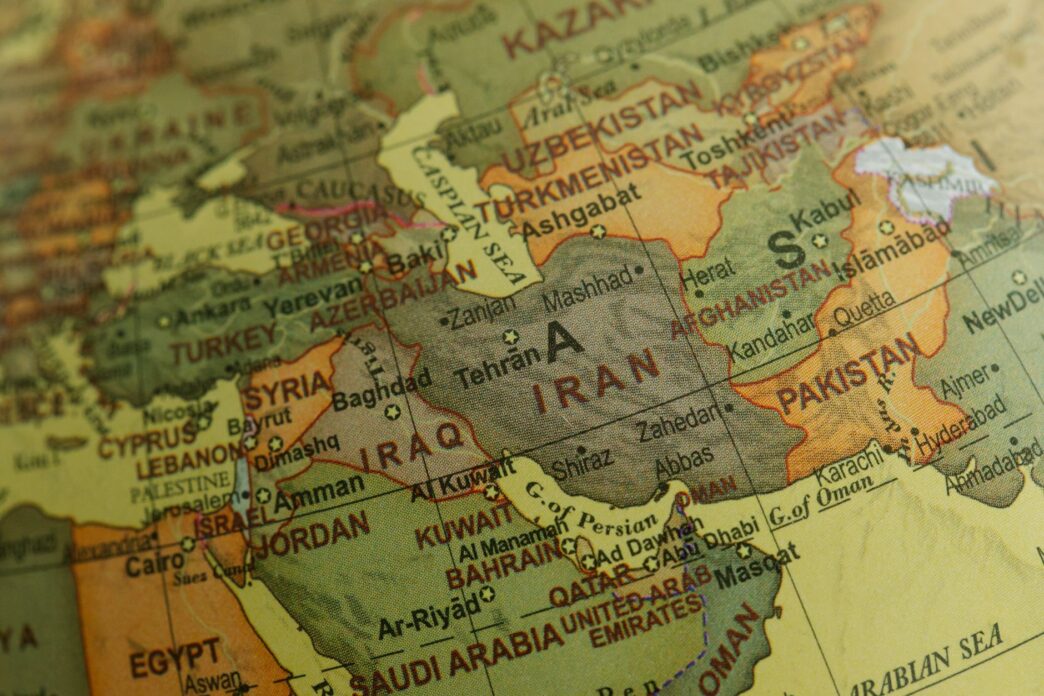
The strikes affected multiple provinces along the Pakistan-Afghanistan border. The affected areas include Paktia province, Paktika province, and Kunar province in Afghanistan.
According to Afghan officials, the casualty breakdown includes 28 villagers killed and 158 wounded in the second strike on rescuers in Paktia province, six people killed in Paktika province, and at least two deaths including an elderly man and child in the initial Chamkani district strike.
Pakistan maintains that its military operations targeted legitimate militant hideouts and resulted in the deaths of 29 fighters. Pakistani officials cited multiple militant attacks across Pakistan as justification for the cross-border operation.
The Karachi attack on Rangers headquarters, which preceded the airstrikes, resulted in three Pakistani soldiers killed, three attackers killed, and one Afghan national arrested.
Background on Recent Escalation
Cross-border tensions between Pakistan and Afghanistan have intensified significantly since February. During that month, Afghanistan launched retaliatory strikes following Pakistani airstrikes on Afghan territory, establishing a pattern of tit-for-tat military actions that has continued into the current period.
Hundreds of people have been killed in cross-border fighting since February, according to reports from the region. The violence has affected communities on both sides of the border and strained diplomatic relations between the two neighboring countries.
Previous Pakistani airstrikes on Afghanistan occurred less than three weeks before this latest operation, indicating an acceleration in military activity along the border.
Frequently Asked Questions
How many people were killed in the Pakistan airstrikes?
Afghan officials report at least 36 civilians killed and more than 160 injured. Pakistan claims 29 militant fighters were killed. The significant discrepancy reflects the different accounts provided by each government.
Where did the Pakistan airstrikes occur?
The strikes hit locations in Paktia province, Paktika province, and Kunar province in Afghanistan along the Pakistan-Afghanistan border region.
What triggered the Pakistan airstrikes on Afghanistan?
Pakistan stated the strikes were in response to multiple militant attacks across Pakistan, including an attack on Rangers headquarters in Karachi that killed three Pakistani soldiers. The militant group Jamaat-ul-Ahrar claimed responsibility for the Karachi attack.
How has Afghanistan responded to the airstrikes?
Afghanistan’s Taliban government condemned the strikes as a “cowardly act of aggression” and an “act of brutality.” Deputy spokesman Hamdullah Fitrat was among officials who criticized the Pakistani operation.
Have there been peace talks between Pakistan and Afghanistan?
China hosted talks between Pakistan and Afghanistan in April. However, the current status of diplomatic efforts is unclear following the latest round of violence.
Regional Impact
The ongoing conflict affects civilian populations living along the border region between Pakistan and Afghanistan. Communities in multiple Afghan provinces have experienced military strikes, while Pakistan has faced militant attacks attributed to groups operating from Afghan territory.
The dispute centers on accusations from each side regarding the other’s handling of militant organizations. Pakistan has repeatedly stated that Afghanistan harbors groups responsible for attacks on Pakistani soil, while the Afghan Taliban government maintains that Pakistani military operations constitute violations of Afghan sovereignty and harm innocent civilians.
The airstrikes on Sunday and the subsequent casualty reports from Afghan officials represent the latest chapter in a cycle of violence that has defined relations between the two countries in recent months. With hundreds dead since February and diplomatic efforts showing limited progress, the situation along the Pakistan-Afghanistan border remains volatile.