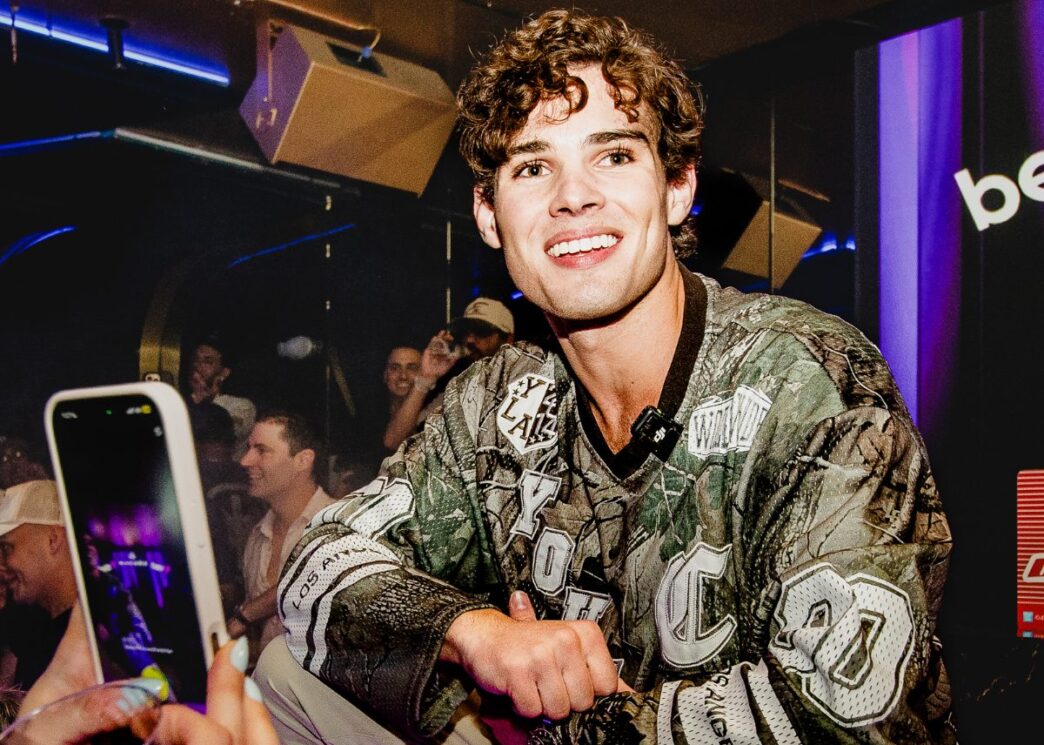
On a Wednesday night in late May, at approximately 12:30 a.m., the doors of Bacara opened to reveal Miami Beach’s newest experiment in nightlife entertainment. This self-described “streamer-first” nightclub, located on 23rd Street west of Collins Avenue, represents the latest venture of Braden Peters, a 20-year-old from Hoboken, New Jersey, who has captured the internet’s attention under his online persona: Clavicular.
From Honor Roll Student to Internet Phenomenon
The journey of Braden Peters from a shy, academically accomplished teenager in New Jersey to one of the most polarizing figures on social media platforms reads like a modern cautionary tale about fame, beauty standards, and the power of viral content. Over the past year, Peters has transformed from relative obscurity into what many consider one of the internet’s most inescapable personalities, primarily through his aggressive promotion of “looksmaxxing” — a controversial practice focused on maximizing one’s physical appearance through various methods, including cosmetic procedures.
On the night New Times journalists visited Bacara, Peters was several hours into yet another livestream on Kick.com, a platform popular among content creators seeking fewer restrictions than mainstream alternatives. His evening had already included encounters with an impressive roster of celebrities and influencers:
- Rappers 6ix9ine and Waka Flocka Flame
- Former NBA players LiAngelo Ball and Lonzo Ball
- YouTuber and boxer Jake Paul
- Manosphere influencer Myron Gaines
The evening featured an impromptu basketball game with fellow streamers and former athletes at a Miami court, followed by an appearance at Gaines’ Fresh & Fit podcast studio in downtown Miami. The podcast, known for its controversial takes on gender dynamics, provided Peters with a platform to display behavior that has made him both famous and infamous online.
Controversial Behavior Draws Criticism
During his podcast appearance on July 22, 2026, Peters demonstrated the type of content that has drawn significant criticism. According to reports, he publicly critiqued his girlfriend Lily Snyder’s outfit choice, asking her to display her clothing — a semi-transparent black lace ensemble — to the studio audience.
“Are you kidding me? You’re changing. Disgusting,” Peters reportedly told Snyder, shaking his head in disapproval despite having been informed there would be celebrities at the nightclub opening.
This type of interaction, which critics describe as demeaning and supporters frame as “keeping it real,” has become central to Peters’ brand. The manosphere community, a loose collection of online spaces focused on masculinity and male self-improvement, has embraced him as a leading voice, while detractors point to his behavior as emblematic of toxic online culture.
The Business Behind the Controversy
Bacara represents Peters’ expansion from content creation into the hospitality industry. He partnered with Hai Waknine, an experienced Israeli-born nightclub operator, to create the venue. Waknine, who was observed wearing transparent-framed glasses and a diamond chain featuring a Chai pendant, has lent his industry expertise to the venture.
The nightclub’s “streamer-first” concept acknowledges the shifting landscape of nightlife entertainment, where social media presence often matters more than traditional celebrity status. On opening night, the outdoor courtyard filled with livestreamers and their entourages, mint vape smoke mingling with music from hidden speakers playing tracks by artists like Gunna.
The scene captured the essence of Miami’s evolving entertainment culture: influencers like Cuban Tarzan posed on the red carpet alongside colorful characters, while content creators with selfie sticks scanned the crowd for recognizable faces. One woman was overheard asking about Justin Bieber’s potential attendance — a testament to the venue’s aspirational positioning.
Legal Troubles and Ongoing Controversies
Peters’ rise has not been without significant legal complications. Previous reports have documented criminal charges related to an alligator shooting incident, and additional allegations have emerged, including a lawsuit from another influencer accusing him of sexual assault. These serious matters stand in stark contrast to his carefully cultivated image as a self-improvement guru.
The rhinoplasty procedure Peters underwent, documented by journalists who accompanied him to the operating room, represents his commitment to the looksmaxxing philosophy he preaches to millions of followers. For Peters, these cosmetic enhancements are not vanity but rather strategic investments in his personal brand and message.
As Miami continues to cement its status as a hub for content creators, influencers, and the new media elite — with living costs now reportedly surpassing New York City — figures like Clavicular represent both the opportunities and troubling aspects of this cultural shift. Whether his influence represents a lasting change in how young men approach self-improvement or merely a passing internet phenomenon remains to be seen.