


Mexico’s different states offer attractions for every type of traveler. But only Quintana Roo have a piece of the paradise with his beaches, restaurants and cultural heritage for the international tourist.
Located on the Yucatán Peninsula, this state is full of color, life, and culture, born on the shores of the Caribbean Sea. It is an ideal destination for ecotourism lovers. The state is one of the youngest in Mexico, as it was officially founded on October 8, 1974, during the presidency of Luis Echeverría Álvarez.
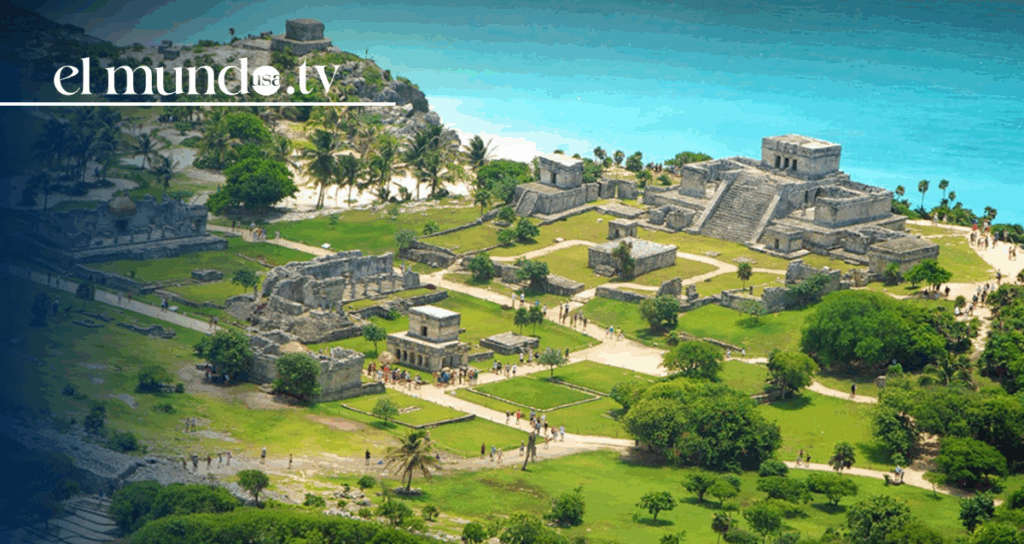
The territory was inhabited by the Maya civilization in pre-Hispanic times, something that can still be appreciated in the archaeological sites that remain today. Furthermore, thanks to its legends and traditions, this region is one of the most enchanting for people all over the world. Here, history comes alive every day amidst its jungles, beaches, streets, and sand.
What can you do during your visit in Quintana Roo in 2026?
What are the main beaches in Quintana Roo?
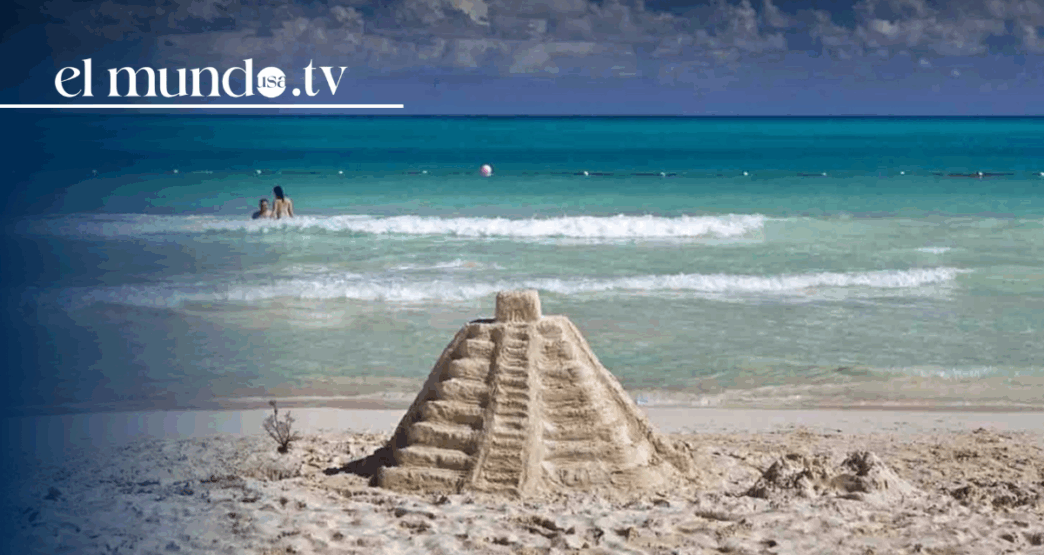
The Caribbean offers spectacular views. On the horizon, visitors can lose themselves in the deep blue sea while their feet sink into soft white sand. These natural settings are among the state’s most important attractions for international tourism.
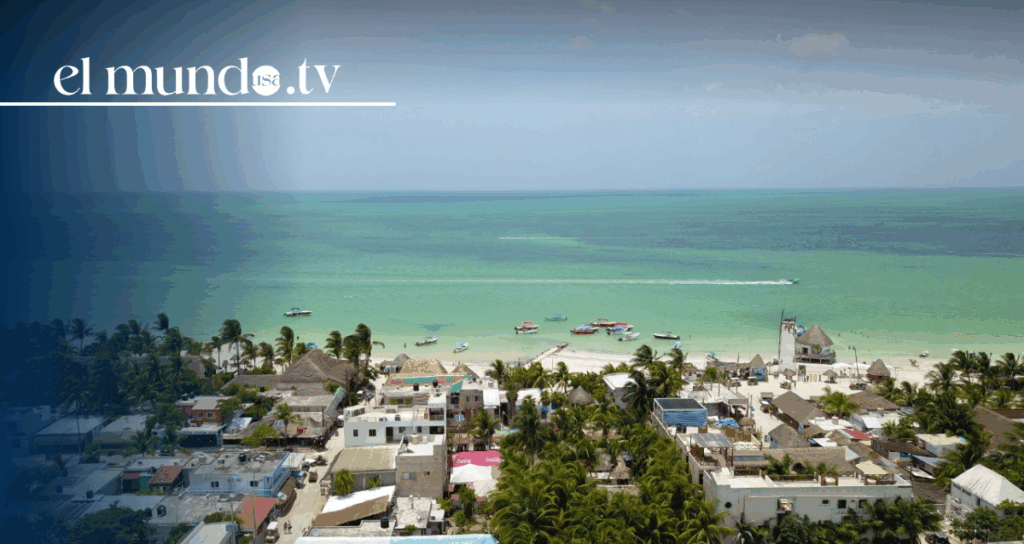
Holbox, a piece of paradise
One of the must-visit destinations in Quintana Roo in 2026 is this pristine island located in the northeast of the state. To get there, you must travel to Chiquilá, where you can take a ferry for about 330 pesos. There, you will witness one of the most beautiful natural systems in the world, with crystal-clear waters where you can see whale sharks and other marine species. You will also find flamingos, storks, ospreys, and pelicans.
READ: Best Places to Visit in the State of Mexico for Your 2026 Vacation
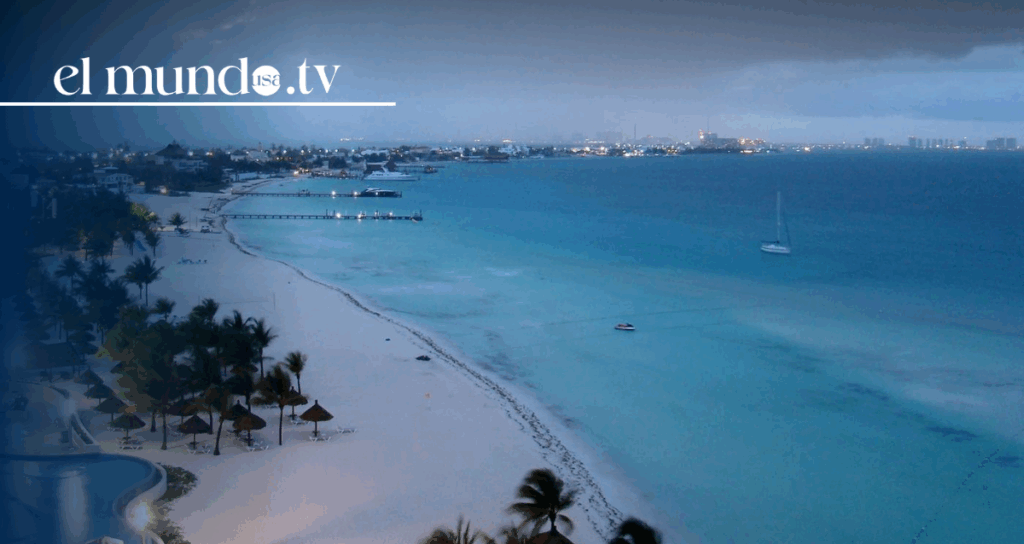
Cancún, a timeless classic
Another unmissable destination is Cancún. This destination combines culture, tradition, modernity, nightlife, and elegance through its luxury hotels and wide range of entertainment and cultural offerings. It is also the starting point of the Riviera Maya, located in the northeast of the Yucatán Peninsula. One attraction you shouldn’t miss is the Underwater Museum of Art, featuring hundreds of sculptures beneath the sea. Its crystal-clear waters, white sand, and vibrant nightlife make Cancún a destination that never goes out of style.
What are the main archaeological sites in the state?
Tourism in Quintana Roo is not limited to beaches. The state is home to some of the most important Maya archaeological sites in the Mexican Caribbean. Surrounded by ecosystems shaped by water and land, these sites offer visitors a spiritual and cultural experience, revealing the legacy of the ancient Maya civilization.
- Tulum, “El Castillo” and the Temple of the Frescoes
- Cobá, the Nohoch Mul pyramid
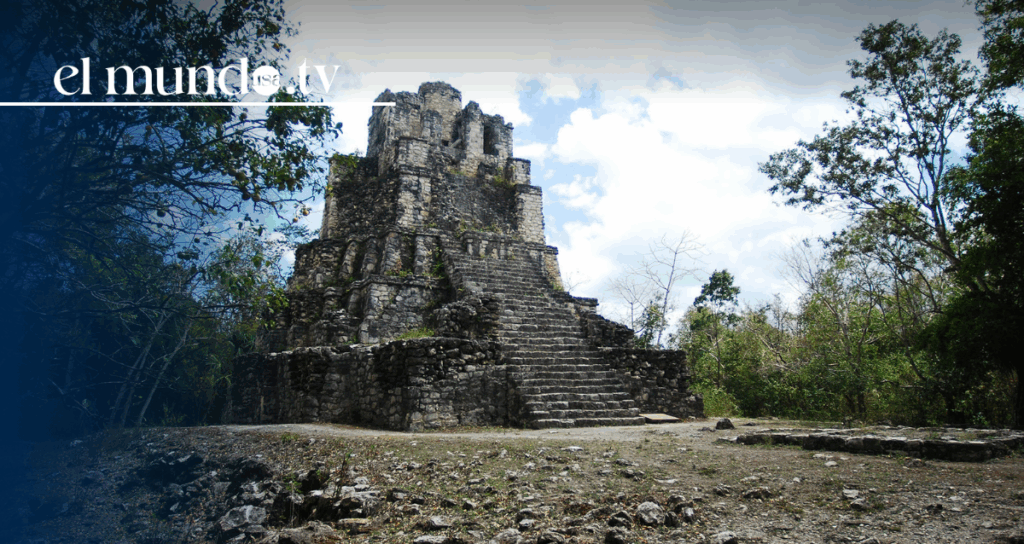
- Muyil, the Maya trade routers
READ: Tren Maya aims to become an international culinary destination with Janal
How to get to Quintana Roo
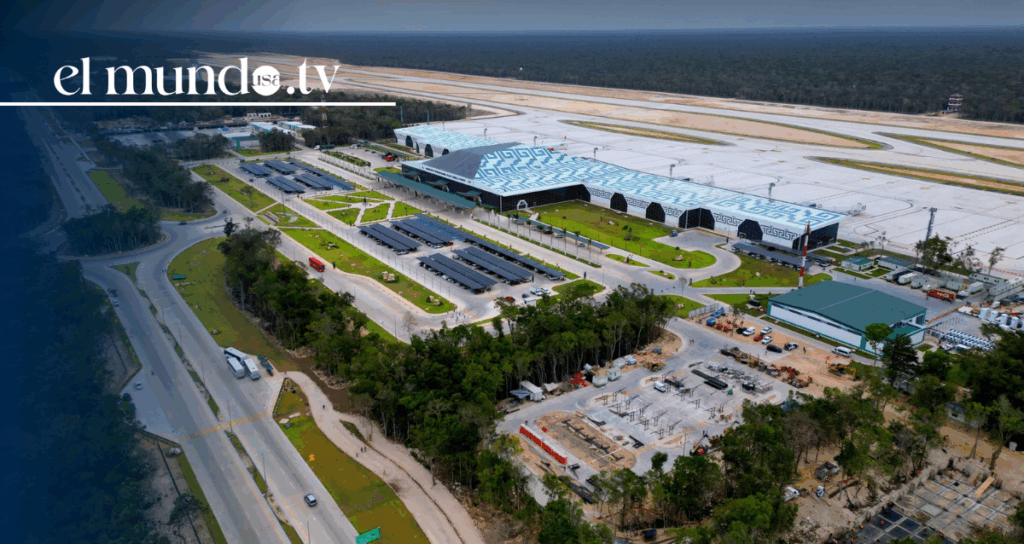
Reaching these destinations is easy thanks to the state’s multiple access routes. By air, the main gateway is Cancún International Airport, one of the most important in Latin America, with direct flights from Mexico City, Monterrey, and Guadalajara, as well as international connections from the United States, Canada, Europe, and South America. Another option is Tulum International Airport Felipe Carrillo Puerto, which improves connectivity to the southern region of the state. A one-way flight from Mexico City to Tulum can range from 500 to 2,600 pesos depending on the season, how far in advance you book, and the airline.
For those who prefer traveling by road, Quintana Roo is connected by Federal Highway 307, which runs along the coast from Cancún to Chetumal. From Mérida or Campeche, you can reach the state in about four to six hours. Bus companies such as ADO also offer frequent services.
Another option to explore Quintana Roo and the Yucatán Peninsula in 2026 is the Maya Train. This major railway project includes several stations at the gateway to the Mexican Caribbean, including Cancún Airport, Puerto Morelos, Playa del Carmen, Tulum, Tulum Airport, Felipe Carrillo Puerto, Limones, Bacalar, and Chetumal Airport, making travel across the region easier than ever.