

Colonial history, modern comforts, and breathtaking natural settings position San Luis Potosí as one of Mexico’s most compelling travel destinations for 2026. The state offers visitors a journey through time, beginning in the late 16th century, when its foundation was tied to the discovery of rich mineral deposits.
Established on November 3, 1592, after gold and silver were found in Cerro de San Pedro, the region quickly became a strategic settlement. Its name honors King Louis IX of France and references the wealth of the Bolivian mines of Potosí, reflecting its importance within the Spanish Empire.
During the Viceroyalty of New Spain, San Luis Potosí developed into a crucial mining and commercial hub, connecting Mexico City with northern territories and facilitating trade routes that helped shape the country’s economic backbone.
What are the main tourist destinations in San Luis Potosí in 2026?
Mining heritage and historic routes
Today, that mining legacy continues to define many of the state’s tourism experiences. Travelers can step directly into history by visiting former mining sites that have been adapted into safe, educational, and immersive attractions.
READ: Durango, Tourist Attractions to Visit in 2026
Cerro de San Pedro
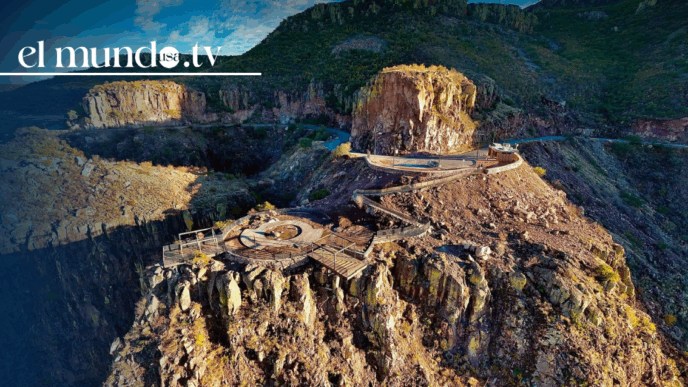
Cerro de San Pedro, widely recognized as the birthplace of mining in the region, offers guided tours through underground tunnels, old haciendas, and semi-desert landscapes that tell the story of centuries of mineral extraction.
Real de Catorce
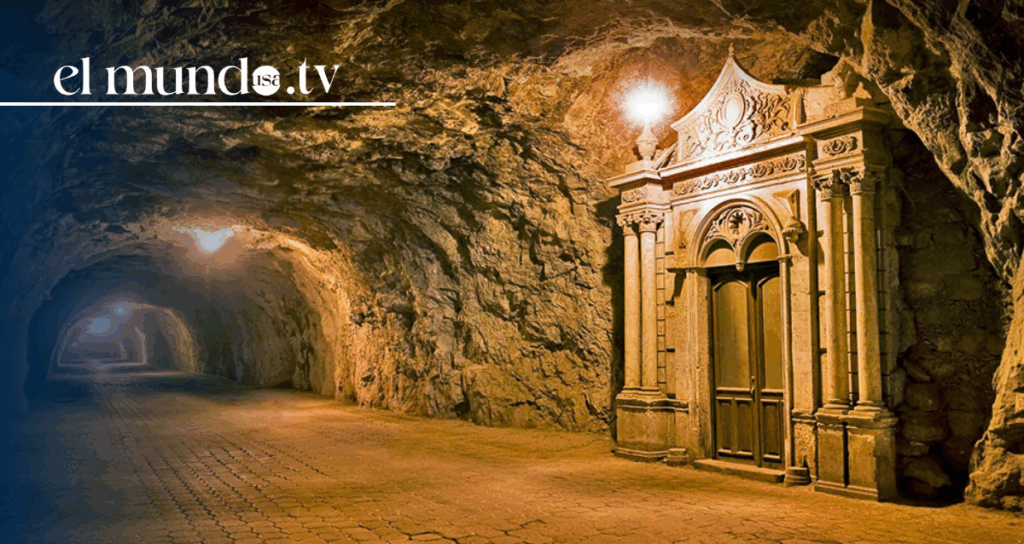
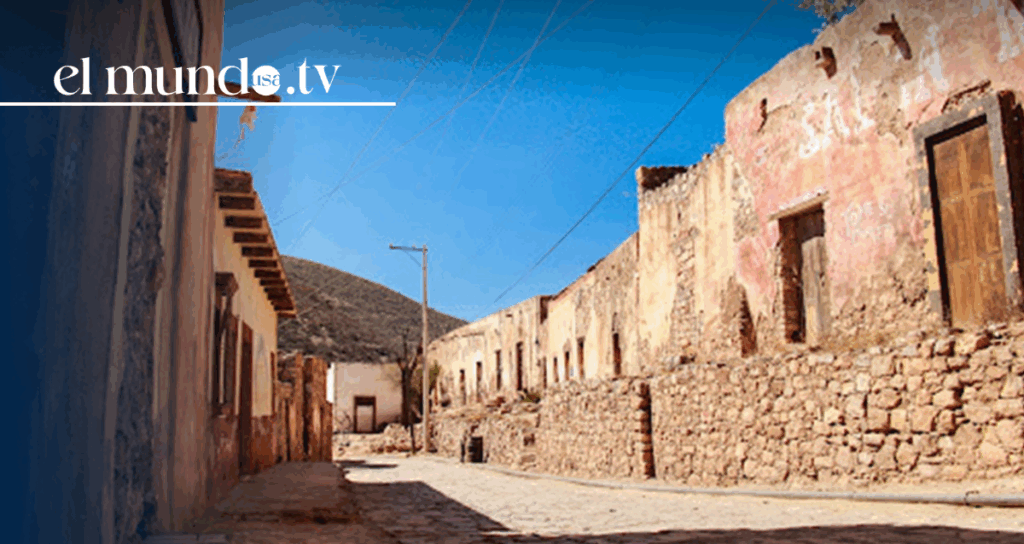
In the Altiplano region, this town stands out as a jewel of historical tourism. This Pueblo Mágico enchants visitors with cobblestone streets, panoramic mountain views, and iconic landmarks such as the Ogarrio Tunnel, which stretches over two kilometers and serves as the main entrance to the town. The area also preserves historic mines like La Purísima, where visitors can gain insight into the region’s mining past while enjoying its mystical atmosphere.

Charcas
Mining is not just history but a living industry. Here, tourism initiatives allow visitors to understand modern extraction processes and technological evolution, offering a comprehensive view of mining’s ongoing economic relevance to the state.
READ: Guanajuato 2026: tourist attractions, museums, and the best restaurants to visit
Ecotourism, a relic of San Luis Potosí
While mining heritage forms a central narrative, San Luis Potosí’s natural environment provides an equally powerful draw. Ecotourism has become one of the state’s primary engines of sustainable development, especially in regions such as the Huasteca Potosina and the central zone. This model of tourism promotes responsible interaction with the environment while generating employment opportunities for local communities in guiding services, hospitality, gastronomy, and transportation. Visitors are invited to explore rivers, waterfalls, caves, forests, and mountains, all while contributing to conservation efforts that protect these fragile ecosystems.
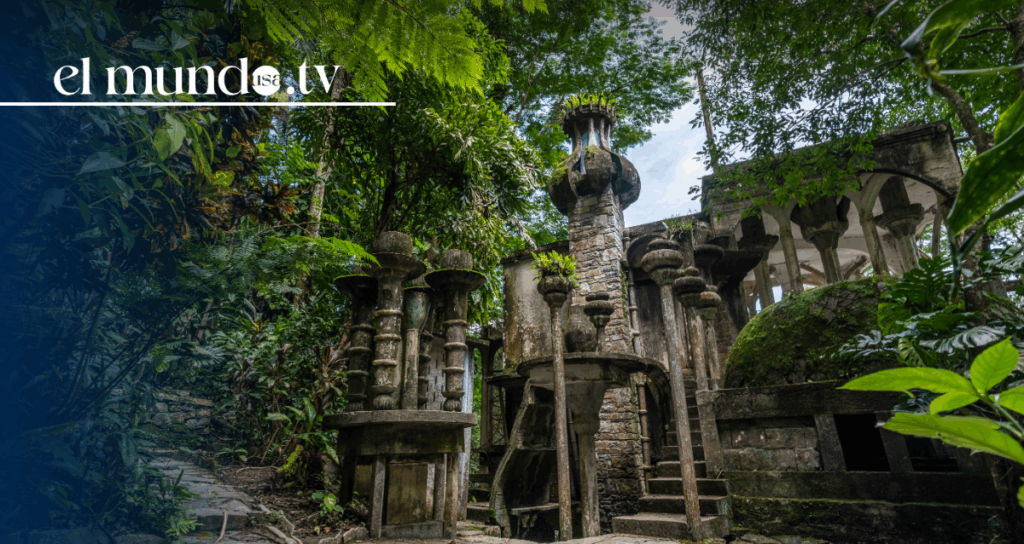
The Edward James Sculpture Garden, Las Pozas – Xilitla
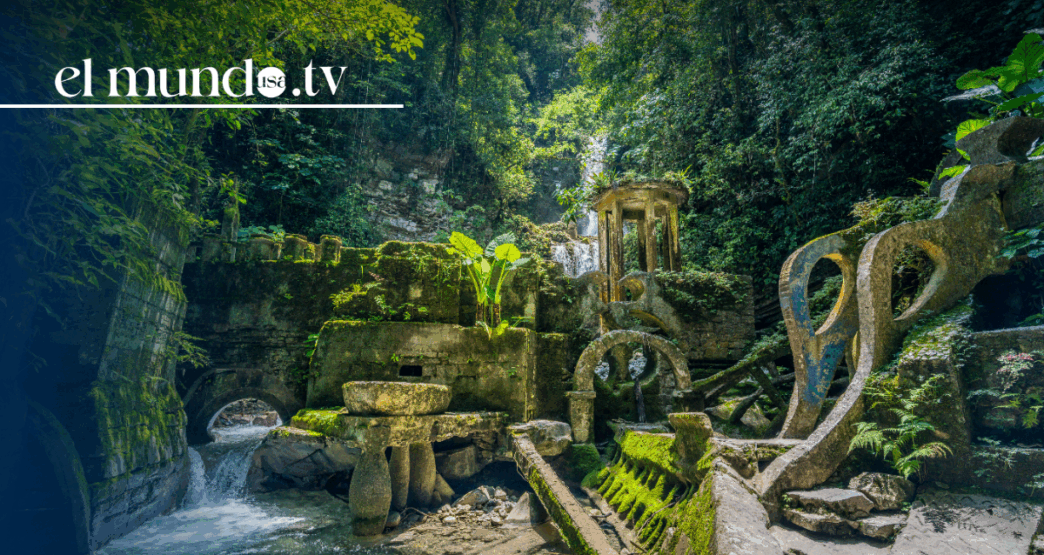
One of the most iconic ecotourism destinations is Xilitla, a town that has gained international recognition for its surrealist heritage. Hidden within lush vegetation lies Las Pozas, a sculpture garden created by British artist Edward James between 1947 and 1984. This artistic sanctuary blends architecture and nature into dreamlike structures that have earned recognition as a National Artistic Monument. The site has become a symbol of how culture and nature can coexist, drawing travelers from around the world who seek both artistic inspiration and environmental beauty.
READ: Quintana Roo, a slice of paradise for tourists in Mexico
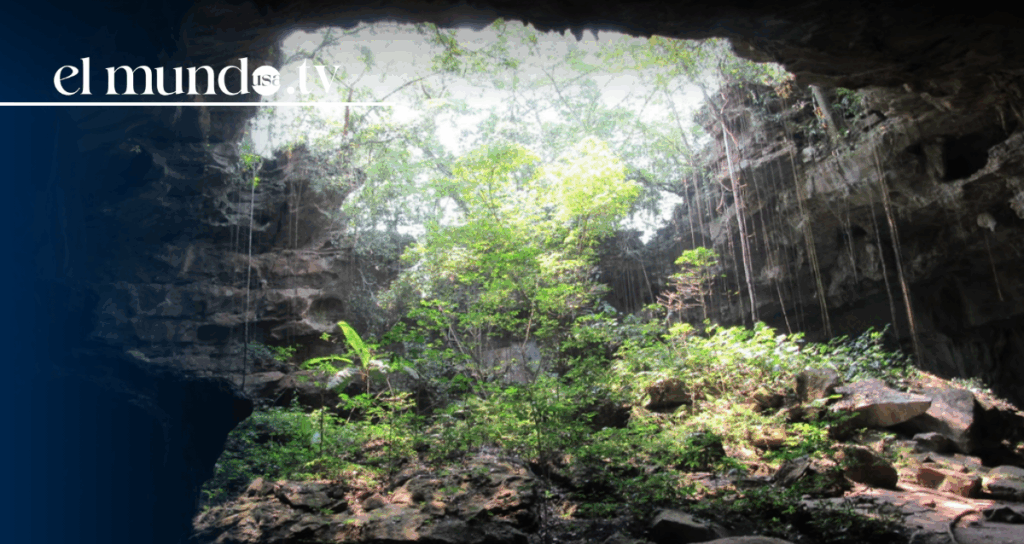
Sótano de las Golondrinas
For adventure seekers, the Sótano de las Golondrinas offers a once-in-a-lifetime experience. Known as one of the deepest vertical caves in the world, this natural abyss attracts explorers, bird watchers, and photographers eager to witness the dramatic flight of swifts and parrots at dawn and dusk. Located in the Huasteca region, it is surrounded by rich biodiversity, making it a prime location for observing flora and fauna in their natural habitat.
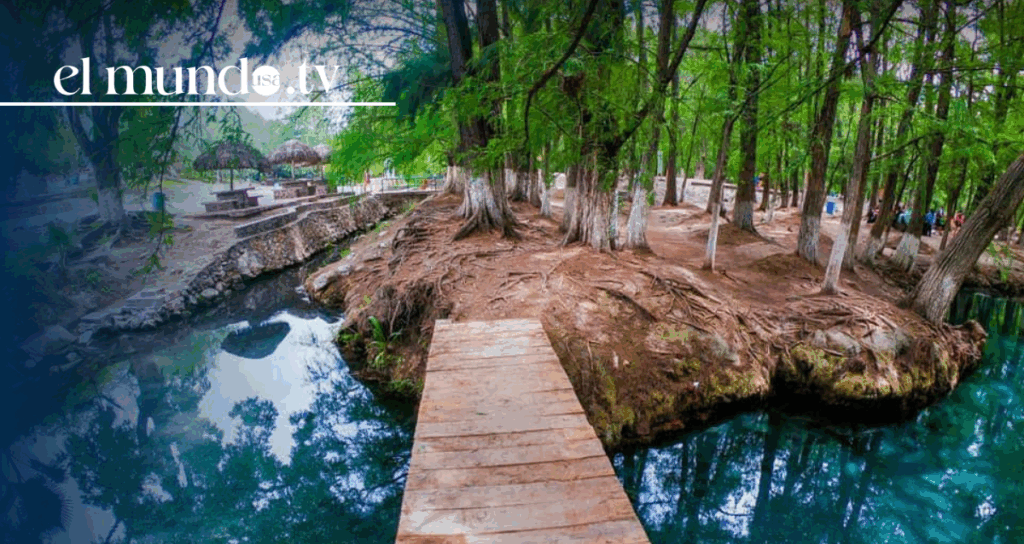
Media Luna Lagoon
Another must-visit destination is this point, a spring-fed body of crystal-clear water with a constant warm temperature that allows for year-round swimming, snorkeling, and diving. As a protected natural area, it maintains strict conservation standards that preserve its unique ecosystem while offering visitors a safe and unforgettable experience.
Cinematic landscapes of San Luis Potosí
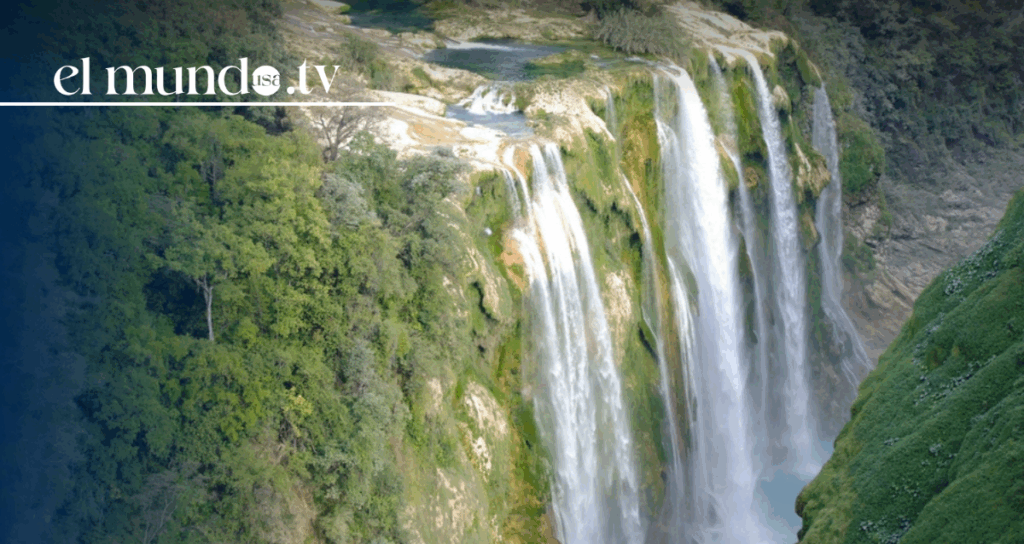
Tamul Waterfall
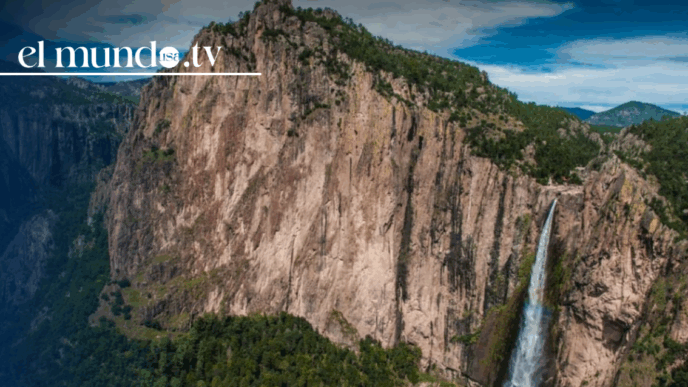
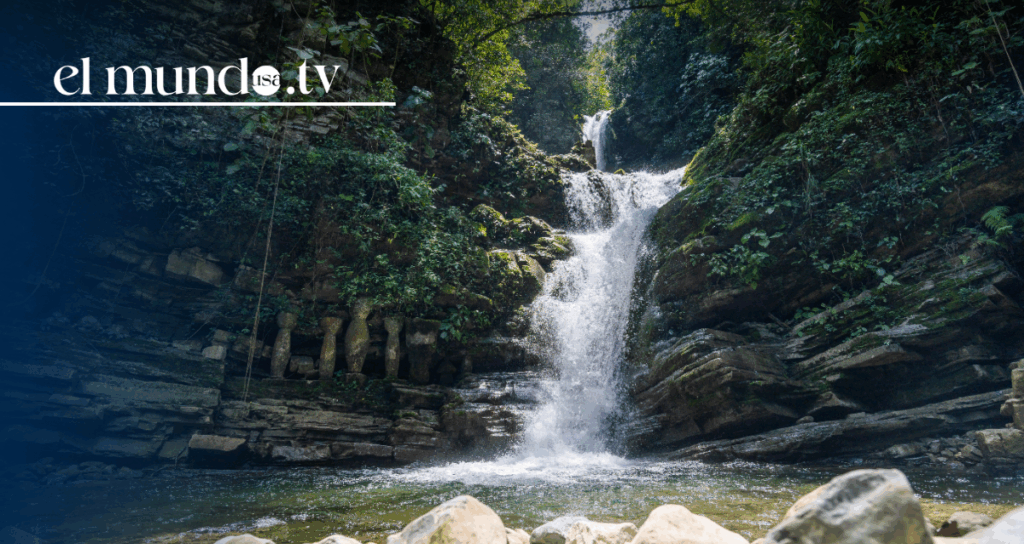
San Luis Potosí’s landscapes have also captured the imagination of filmmakers and television producers, adding a cinematic dimension to its tourism appeal. The Tamul Waterfall, the largest in the state, stands as one of the most impressive natural spectacles in Mexico. Visitors can reach it by paddling upstream along the Tampaón River, an adventure that combines physical activity with scenic beauty. The waterfall’s dramatic setting has made it a popular location for music videos and television productions, reinforcing its status as a visual icon.
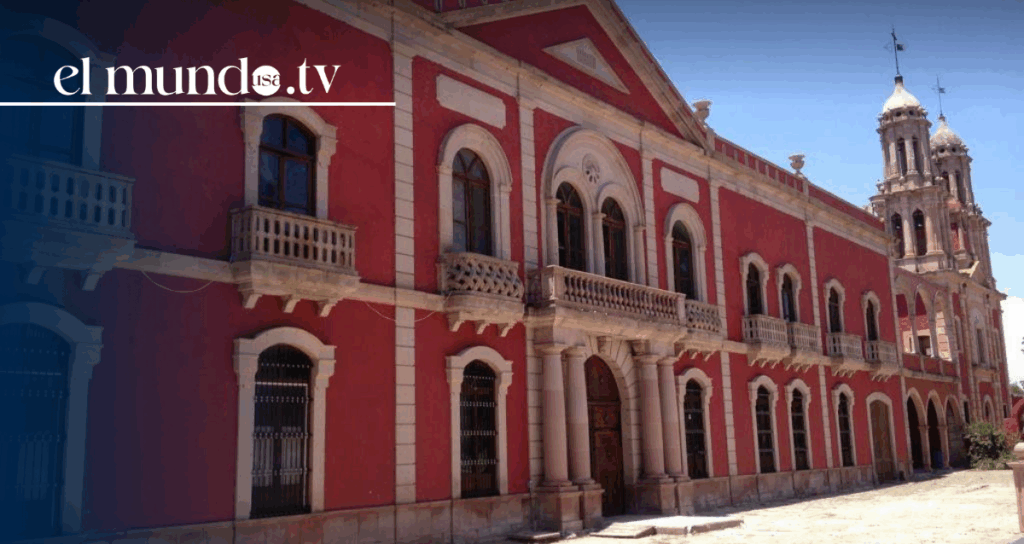
Hacienda Gogorrón
Similarly, Hacienda Gogorrón, an architectural treasure with deep historical roots, has served as a filming location for both national and international productions. Its elegant design and preserved structures transport visitors to another era, offering a glimpse into Mexico’s colonial grandeur.
The influence of film and television has further strengthened the state’s identity as a cultural destination. Various telenovelas and audiovisual productions have used San Luis Potosí’s towns, landscapes, and historical buildings as backdrops, showcasing its beauty to global audiences. This exposure has transformed several sites into must-visit destinations for travelers seeking to experience the same settings they have seen on screen.
In 2026, San Luis Potosí stands out as a destination that seamlessly blends history, nature, culture, and modern tourism infrastructure. Its mining heritage provides a tangible link to the past, while its ecotourism initiatives ensure a sustainable future.
From surrealist gardens hidden in the jungle to deep natural abysses and colonial-era haciendas, the state offers a diverse range of experiences that cater to every type of traveler.