

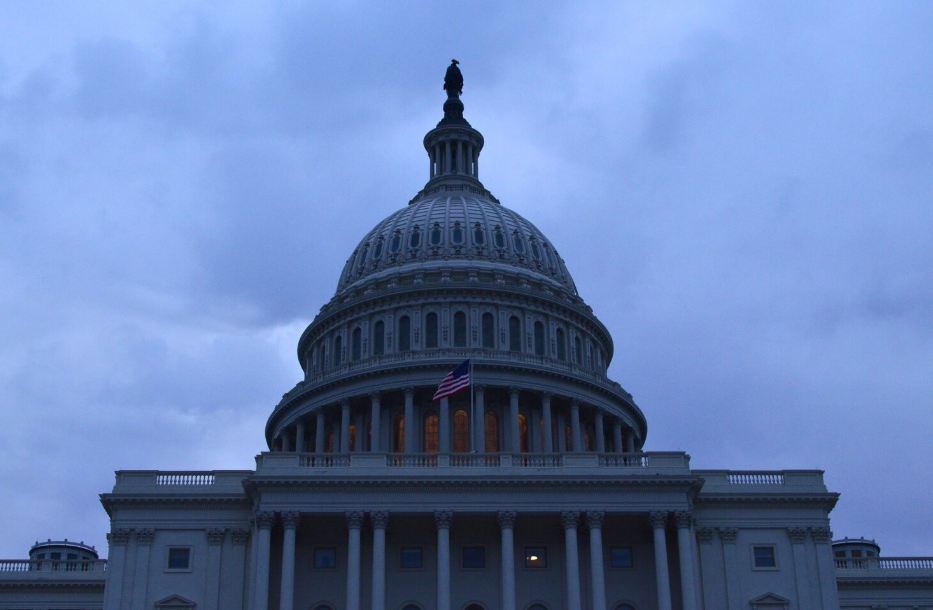
The U.S. Supreme Court rejected a request to block California’s new congressional district map on February 4, allowing the state to use the redrawn lines in the upcoming 2026 midterm elections. This decision upheld the map adopted by the California Legislature in August 2025 and rejected challenges aimed at preventing its implementation.
The newly configured map, created by the California Citizens Redistricting Commission with data from the 2020 Census, reorganizes boundaries for most of California’s 52 congressional districts. The map potentially favors the Democratic Party by increasing their chances of winning additional seats. Authorities confirmed that the map remains in effect for the 2026 House elections.
Under California’s state constitution, district boundaries must be redrawn every decade after the national census to adjust for population changes. The independent commission, tasked with overseeing this process, sought to establish congressional districts that reflect demographic shifts while complying with legal requirements related to equal population distribution and compliance with the Voting Rights Act.
Opponents of the current map had filed legal petitions to prevent its application, contending that the lines were drawn unfairly to benefit one party over another. However, the Supreme Court declined to intervene, leaving the redistricting in place as set by the commission and state legislature.
California’s approach to redistricting involves significant public input and operates independently from the legislature, contrasting with practices in some other states where lawmakers directly control map drawing. This system aims to reduce partisan gerrymandering by removing the process from direct political influence.
With the Supreme Court’s decision, California candidates and political parties will campaign and raise funds based on the new congressional districts. The map redraw reflects population growth and internal migration within California, impacting communities across the state.
The ruling aligns with nationwide protocols whereby states revise congressional districts after each decennial census to ensure representation matches population shifts. The 2026 midterm cycle will be the first federal election held under California’s updated district boundaries.
By clearing legal obstacles, the Supreme Court’s ruling enables the state to proceed without further delays or interim map usage. Election officials have finalized preparations to implement the new boundaries for congressional races later this year.
California’s redistricting history features several legal challenges and reforms. The current independent commission model began after voter initiatives aimed at establishing nonpartisan control over district drawing. This process encompasses boundaries for U.S. House seats as well as state legislative districts. The 2026 election marks another cycle executing this framework under the state constitution and federal law.