

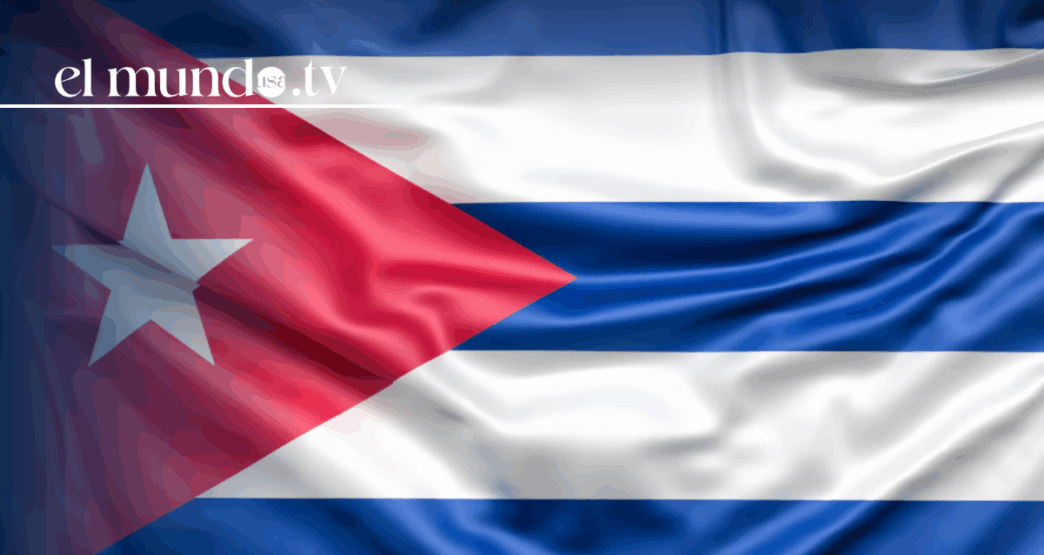
U.S.-owned properties seized by the Cuban government since 1959 remain a major unresolved issue in bilateral relations between the United States and Cuba. After Fidel Castro’s revolutionary government took control, it confiscated assets belonging to American individuals and businesses without compensation, leading to thousands of claims by U.S. nationals.
Visit our facebook and instagram pages.
The confiscations included a wide range of properties, from commercial enterprises to private estates, often seized forcibly in the early years following the revolution. The United States formally recognized the scope of these losses through the Foreign Claims Settlement Commission, which adjudicated over 8,800 claims related to expropriations by the Cuban government. The Commission officially completed this process in 1972, identifying verified claims amounting to nearly $1.9 billion in losses, a figure frequently cited in diplomatic discussions.
Efforts to address these outstanding claims surfaced during renewed diplomatic talks in December 2015 between U.S. and Cuban officials, which coincided with a thaw in relations initiated by the Obama administration. Negotiations considered potential resolutions that could include compensation frameworks, restitution, or other legal mechanisms, although no definitive agreements were reached.
These claims represent the largest uncompensated seizure of American property by a foreign government in modern history. U.S. legislation, including the Cuban Liberty and Democratic Solidarity Act (Helms-Burton Act) enacted in the mid-1990s, reinforced the embargo and asserted legal protections for property rights of U.S. nationals against Cuban expropriations. This law remains a significant obstacle in negotiations.
Judicial proceedings in U.S. courts have also addressed property seizures in Cuba, with the Supreme Court agreeing to hear arguments concerning Cuban confiscations in recent years, reflecting ongoing legal complexities. Cases often involve issues of sovereignty, international law, and the valuation of nationalized assets.
The unresolved status of these property claims continues to be intertwined with broader topics in U.S.-Cuba relations, such as the embargo and diplomatic engagement levels. Cuban nationalization policies formed a central point of contention that has influenced sanctions policies and their enforcement over subsequent decades.
While earlier historical efforts attempted to quantify and categorize expropriated assets, no comprehensive settlement has yet materialized. The issue remains a critical factor in any negotiation aimed at normalizing relations, affecting both political dialogue and economic exchanges between the two countries.
The legacy of expropriated U.S. properties in Cuba is embedded in the legal, political, and diplomatic framework that shapes interactions across the Florida Straits, as claims continue to be brought forward by descendants, corporations, and legal entities seeking restitution or compensation decades after the original seizures.