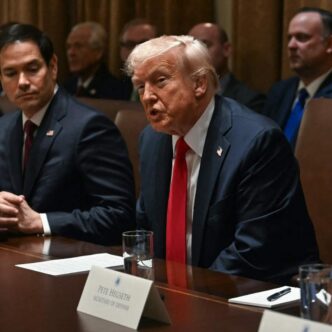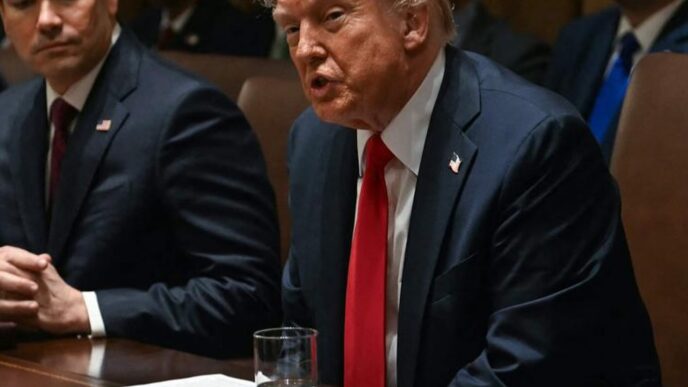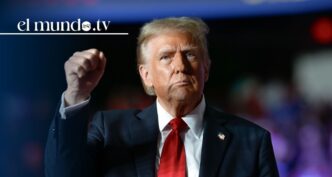


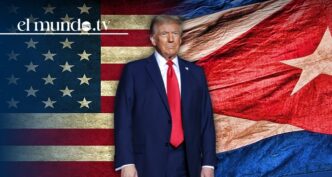
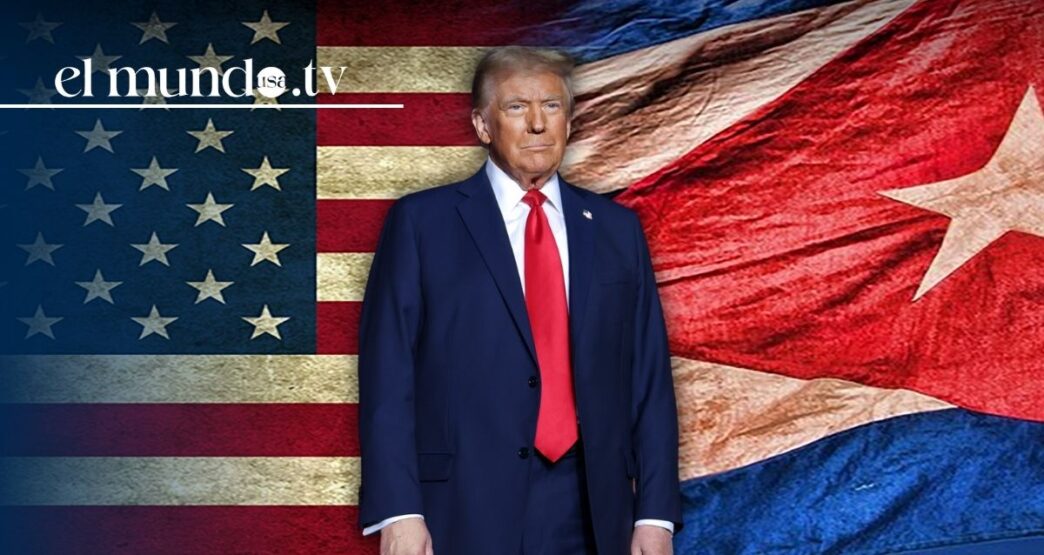
The President of the United States, Donald Trump, declared a “national emergency” over the situation with Cuba, considering that the Cuban government’s actions pose a direct threat to U.S. national security and foreign policy. The measure was established by an executive order, which serves as the legal basis for imposing additional tariffs on products from countries that sell or supply oil to the island.
According to the official document, Trump invoked the International Emergency Economic Powers Act, the National Emergencies Act, and Section 301 of Title 3 of the United States Code, powers that allow the Executive Branch to take extraordinary economic measures in response to external threats.
Follow our accounts on Facebook and Instagram to stay up to date with the latest news.
Why did Trump declare a national emergency against Cuba?
In the executive order, the president explicitly stated:
“I, Donald J. Trump, President of the United States of America, determine that the situation with respect to Cuba constitutes an unusual and extraordinary threat, originating wholly or substantially outside the United States, to the national security and foreign policy of the United States”.
According to the White House, the Cuban government maintains ties with “numerous hostile countries” and engages in activities that, in Washington’s view, undermine regional stability and U.S. interests.
U.S. accusations against the Cuban government
In an official fact sheet, the Trump administration maintains that Cuba:
- It houses Russia’s largest signals intelligence facility outside its territory.
- It maintains deep cooperation in intelligence and defense with China.
- Provides safe haven to transnational terrorist organizations, including Hezbollah and Hamas.
- It spreads communist ideas, policies, and practices throughout the Western Hemisphere, which, according to Washington, threatens its foreign policy.
Additionally, the order accuses the Cuban government of persecuting and torturing political opponents, as well as denying freedom of expression and of the press on the island.
Read more: Super Bowl LX: ICE confirms immigration operations at Levi’s Stadium
Tariffs and a warning to other countries
One of the key points of the executive order is the imposition of additional tariffs on any country that trades oil with Cuba, as part of a strategy to economically pressure the Cuban regime.
Trump also left open the possibility of tightening the measures, warning that he could modify or expand the provision if any foreign country retaliates against the United States in response to this decision.
International impact of Trump’s executive order
The national emergency declaration against Cuba marks a new hardening of U.S. foreign policy and could have economic and diplomatic repercussions for countries that maintain energy ties with the island.
Analysts anticipate that the measure could increase tensions in Latin America and the Caribbean, as well as revive the international debate over the U.S. economic blockade and sanctions against Cuba.