

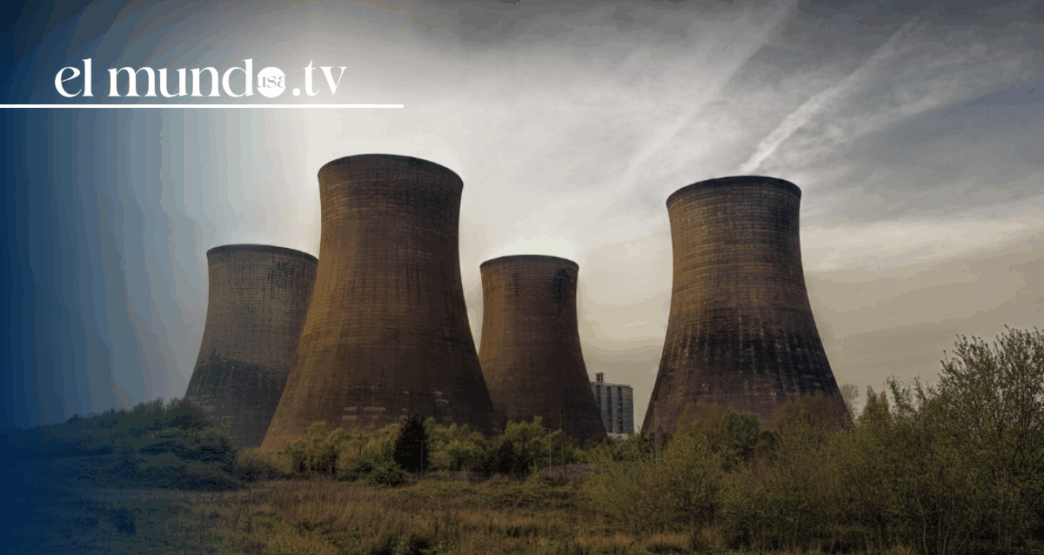
Hungary and the United States strengthened their nuclear energy cooperation through the signing of a $20 billion Memorandum of Understanding (MOU) on November 7, 2025. This agreement expanded bilateral collaboration to include small modular reactors (SMRs), nuclear fuel supply, and related technology. The MOU lifted previous limitations surrounding the Paks II nuclear power plant project, Hungary’s ongoing expansion of its existing nuclear infrastructure.
The new partnership marked the first time that Hungary agreed to purchase American nuclear fuel for use in a facility originally built with Russian technology, signaling a significant shift in the country’s nuclear procurement strategy. Hungary’s Foreign Minister confirmed that this initiative aimed to diversify energy sources amid shifting geopolitical and energy security considerations in Europe.
The Paks nuclear site, located roughly 100 kilometers south of Budapest, has operated since the late 20th century with reactors constructed under agreements signed with the Soviet Union in the 1960s. Over six decades, Hungary maintained close atomic energy cooperation with Russia, particularly through Rosatom, Russia’s state nuclear corporation. This historical link began with a bilateral nuclear cooperation agreement in 1955 and led to Budapest relying extensively on Russian nuclear technology and fuel supply.
However, the evolving international context and intensified relations between the West and Russia motivated Hungary to broaden its nuclear energy partnerships. The United States indicated openness to expanding cooperation beyond nuclear power into fields like defense and commerce, reflecting a broader strategic engagement with Hungary.
The expansion of U.S.-Hungary nuclear ties occurred amid a period during which European countries sought to enhance energy security by reducing dependence on Russian fuel. The agreement anticipated the deployment of SMRs, a newer class of nuclear reactors designed to offer flexible, cost-effective, and safer nuclear energy solutions suitable for varied energy grids.
This partnership was part of a wider U.S. government effort to increase influence and cooperation with European allies in nuclear technology, energy diversification, and strategic industries. Negotiations for this nuclear energy agreement began months prior and represented a tangible step in reshaping Hungary’s energy policy and alliances.
Hungary’s choice to incorporate U.S.-made nuclear fuel at Paks II followed a detailed regulatory approval process, aligning with European Union standards for nuclear safety and supply chain diversification. This decision carried political as well as technical dimensions, as it reflected Hungary’s balancing act between longstanding ties to Russia and its commitments within transatlantic partnerships.
Hungary’s nuclear sector modernization aligned with wider European energy goals, seeking to increase domestic energy production capabilities while meeting climate targets. The addition of SMRs and diversified fuel sources aimed to support Hungary’s stable electricity supply and reduce emissions over the coming decades.
The MOU signing came shortly after high-level diplomatic visits between U.S. and Hungarian officials, highlighting the deepening bilateral relationship. The agreement underscored nuclear power’s role in Hungary’s energy mix, currently meeting over half of the country’s electricity demand through its existing reactors.
With this new framework, Hungary anticipated enhanced access to American nuclear technology and fuel markets, while the United States positioned itself as a key partner in European energy infrastructure development. The deal also included provisions for joint research, training, and deployment of advanced nuclear technologies, ensuring long-term cooperation in the sector.
The U.S.-Hungary nuclear cooperation represented a historic pivot in Hungary’s energy strategy, ending decades of exclusive reliance on Russian nuclear fuel and integrating American technology into its advanced nuclear facilities. The MOU set the stage for future projects balancing national energy needs with international partnerships.