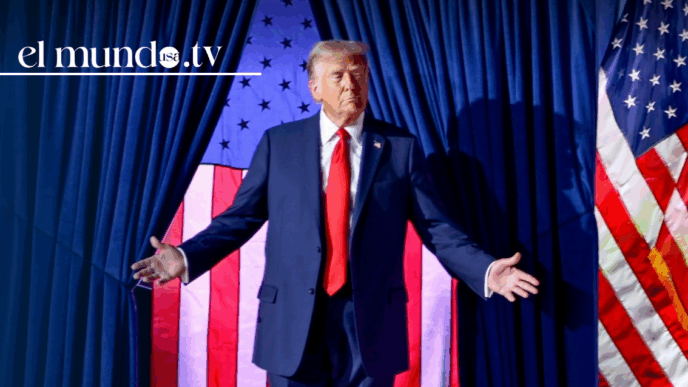


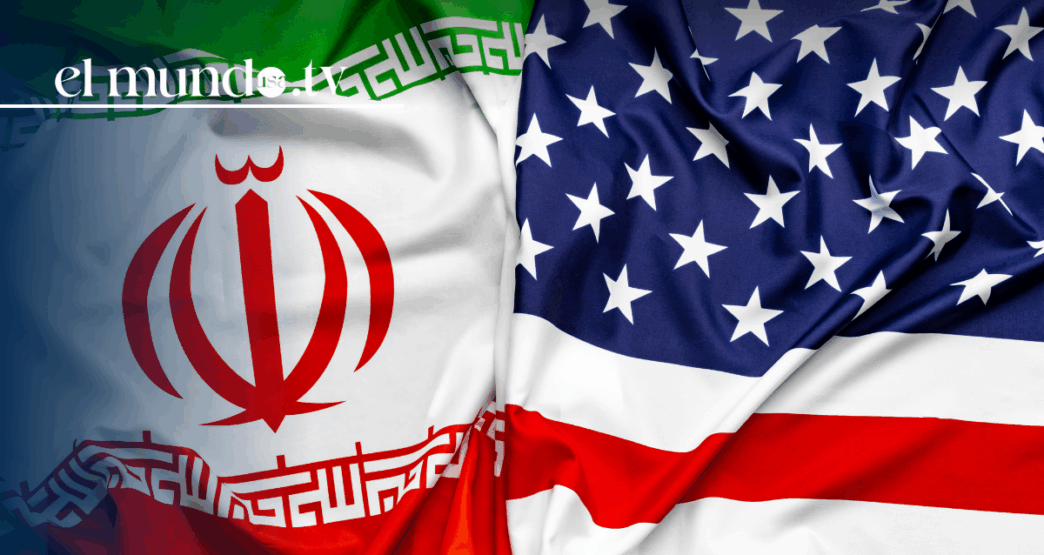
Iranian Foreign Minister Abbas Araqchi said on Monday that Tehran is not seeking war, but warned that the country is fully prepared for an armed conflict if the situation escalates, amid a resurgence of tensions with the United States and recent threats from U.S. President Donald Trump.
“Iran does not want a war, but it is fully prepared for one”, Araqchi declared to foreign ambassadors, according to state television IRIB. At the same time, the Iranian official expressed the government’s willingness to enter into negotiations with the United States, provided they are “fair, with equal rights and mutual respect”.
Iran accuses foreign powers of attempting to intervene during protests
Araqchi maintained that the protests in Iran, sparked by the economic crisis, were initially peaceful, which led the authorities to open channels for dialog. However, he asserted that starting on January 8, “agents and terrorist groups” began arriving with the aim of provoking violence and social chaos.
According to the Iranian foreign minister, these events were intended to increase the number of victims to give the United States an “excuse” to intervene militarily, after Trump conditioned any possible action on an increase in deaths during the protests.
Open communication channels between Iran and the U.S.
Despite the confrontational climate, the Iranian government confirmed that communication channels with the United States remain open. Foreign Ministry spokesman Esmaeil Baqaei noted that there is direct contact between Abbas Araqchi and Steve Witkoff, Trump’s special representative for the Middle East.
“When necessary, messages are exchanged”, Baqaei said, underscoring that Iran maintains its stance of diplomacy and negotiation, even in the context of sanctions and military threats.
Read more: Donald Trump proclaims himself “interim president of Venezuela” and sparks international controversy
Economic crisis, sanctions, and the nuclear program at the heart of the conflict
The protests in Iran stem from the collapse of the rial, the loss of purchasing power, and the tightening of U.S. sanctions, which, along with Israel, have once again put the spotlight on Iran’s nuclear program.
Last June, bombings attributed to this conflict left more than 1,100 dead, according to official Iranian figures, further raising tensions in the region.
More than 500 dead and thousands detained in protests in Iran
The U.S.-based NGO Human Rights Activists News Agency (HRANA) reported that at least 538 people have died since the protests began on December 28, while more than 10,600 have been arrested.
Among the fatalities are:
- 483 protesters
- 47 members of the security forces
- 8 minors
- Five non-participating civilians
HRANA warned that there are 579 additional deaths under investigation, which could bring the total death toll to over a thousand. The organization also denounced forced confessions, prolonged internet shutdowns in Iran, and mass arrests.
NGOs warn of a possible social collapse in Iran
Other human rights organizations, such as the Center for Human Rights in Iran (IHRNGO), report lower figures, although they acknowledge that some sources speak of more than 2,000 deaths. Its director, Mahmud Amiri-Moghaddam, warned that the actual number could be higher due to the information blackout.
The protests began in Tehran’s Grand Bazaar and have spread to 585 locations across the country, including 186 cities in Iran’s 31 provinces, becoming one of the largest internal crises in recent years.