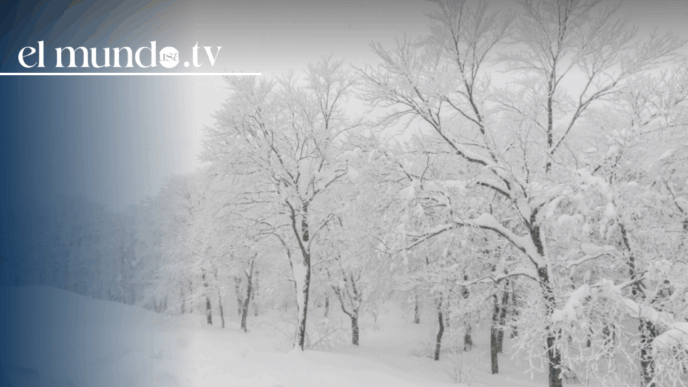


Tree wells pose significant dangers to skiers and snowboarders, especially in areas with heavy snowfall and dense tree coverage. A tree well forms when the snow around the base of a tree trunk becomes loose and unconsolidated, creating a deep hollow that may not be visible to those skiing nearby. These pockets around tree trunks develop because branches block snowfall directly underneath, preventing the snow from compacting.
Ski patrols and safety organizations highlight that tree wells can become life-threatening once a person falls into the hollow and becomes trapped. Individuals caught in tree wells often get immobilized in the deep snow, which can cause suffocation if they are unable to free themselves. This phenomenon is known as snow immersion suffocation or SIS. Such accidents frequently occur when skiers or snowboarders travel off marked trails or in backcountry terrain with substantial powder snow coverage.
Ski areas in mountainous regions with dense forests report numerous cases of these incidents annually. Mountain safety agencies stress the importance of recognizing environmental factors that increase the risk of falling into tree wells. Heavy snowfall and fresh powder significantly raise the danger. Experts urge riders never to ski alone in areas prone to tree wells, as self-rescue can be nearly impossible without assistance.
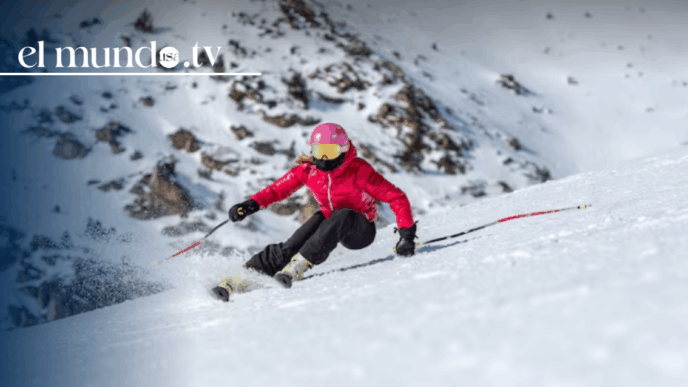
To mitigate the risks, ski patrol personnel recommend skiing with a partner and maintaining close visual contact. Carrying communication devices also aids in facilitating rescue operations. Skiers and snowboarders are taught to avoid getting close to tree trunks where wells may form and to be cautious when navigating through densely wooded areas during or after heavy snowfalls.
Educational material distributed by numerous resorts and safety organizations outlines techniques for extricating oneself if caught in a tree well, such as trying to keep the head above snow and calling for help immediately. Despite these precautions, tree wells remain among the most perilous natural hazards in winter sports.
Overall, deep snow and heavily wooded slopes require heightened awareness and adherence to safety guidelines. Tree well immersion accidents continue to cause fatalities in ski resorts and backcountry areas across the United States and worldwide. Safety campaigns and patrollers remain active in educating the skiing public about these hidden risks and promoting safe practices to reduce accidents and fatalities related to tree wells.