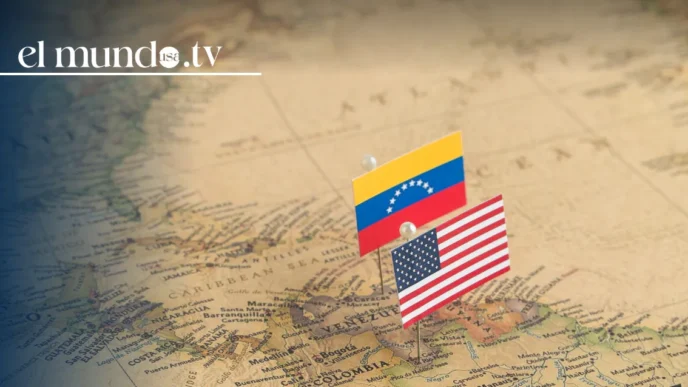


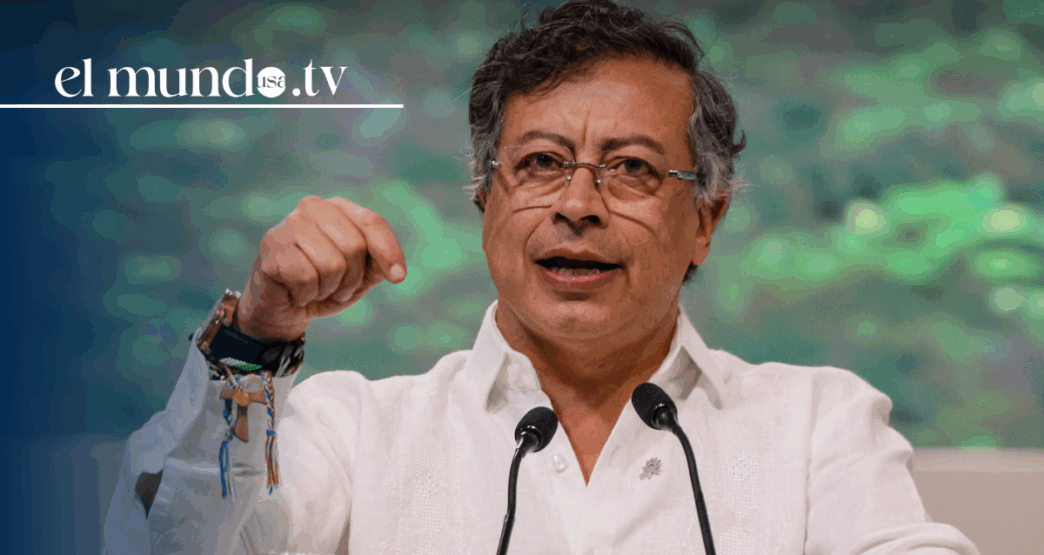
The latest escalation in the confrontation between former U.S. President Donald Trump and Colombian President Gustavo Petro unfolded after Trump issued a direct threat against Colombia, warning of a possible invasion. The remarks followed the violent abduction of Venezuelan President Nicolás Maduro over the weekend and the subsequent bombing of Venezuela’s capital, Caracas—events Petro has described as a blatant violation of international law.
“Watch himself,” Trump said when asked by a reporter about Petro’s future, a comment that immediately drew a sharp response from the Colombian leader. In a post on the social media platform X, Petro stated that if he were ever to take up arms again, it would be solely to defend Colombia’s sovereignty. He referenced his past as a guerrilla fighter, while also underscoring his later commitment to democracy, including his role in the peace process and in shaping Colombia’s 1991 Constitution.
Petro went further, condemning Trump’s actions as “aberrant” and accusing the United States of undermining the global rule of law and trampling on the sovereignty of Latin America and the Caribbean. He also warned members of Colombia’s armed forces that those who did not stand with the national tricolor flag would be excluded, signaling a hardening of his stance amid the crisis.
The diplomatic clash comes at a sensitive moment for Colombia, which is entering a crucial electoral year to determine the makeup of Congress and select Petro’s successor. The president has alleged that the United States is attempting to influence the process through “orchestrated actions,” including the manipulation of Inter-American Development Bank funding to favor far-right campaigns.
While Colombia’s right-wing opposition has largely remained silent, it has expressed support for U.S. actions against Maduro. Former president Álvaro Uribe publicly backed Trump, a stance Petro rejected forcefully in a lengthy statement, denying any links to drug trafficking and calling on Latin America—from Patagonia to Mexico—to seek renewed emancipation.