


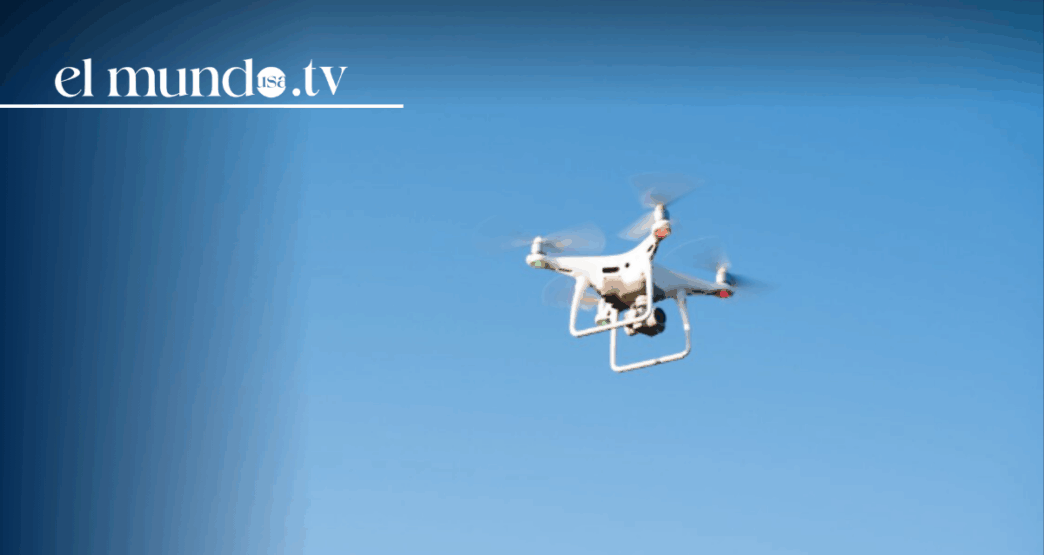
The U.S. Army enhanced its counter-drone capabilities along the southern border through the deployment of DroneArmor, an advanced artificial intelligence-driven system designed to detect and neutralize unauthorized unmanned aerial vehicles. This new technology became part of ongoing efforts to address the growing challenges posed by rogue drones in sensitive border regions.
In late January 2026, the Pentagon expanded its counter-drone operational authorities, aiming to strengthen defense measures within the United States. This policy shift followed years of complex issues related to identifying and responding to unauthorized drone activity near military installations and critical infrastructure. The enhanced authorities permitted broader engagement rules for military units tasked with protecting domestic airspace from unmanned threats.
Simultaneously, the Joint Interagency Task Force 401 announced a $5.2 million contract to deploy the Bumblebee V2 kinetic counter-drone system. This platform employs rapid-fire projectiles capable of intercepting and destroying hostile drones mid-flight. The contract outlined the system’s integration into force protection strategies designed to increase warfighter lethality and safeguard military assets in contested environments.
Operations involving these advanced counter-drone measures led to temporary airspace closures in certain areas, including an incident in El Paso on February 11, 2026. The Federal Aviation Administration restricted local air traffic for several hours due to military use of anti-drone technology. These temporary restrictions allowed for controlled testing and deployment of counter-unmanned aerial systems without risk to civilian aviation.
On the technology development front, Raytheon Technologies introduced laser-based counter-drone systems utilizing concentrated photon beams to physically disable drone components. These directed-energy weapons provided a non-kinetic means of neutralizing threats, broadening the tactical options available to military operators engaged in air defense missions.
Additionally, the U.S. Army issued a Request for Information to industry participants regarding the Red Sands Hard Kill Challenge 2026. This initiative sought innovations in counter-drone systems capable of autonomously detecting, tracking, and destroying unmanned aircraft during operational trials. The program aligned with broader military objectives to integrate cutting-edge technologies against emerging aerial threats.
Together, these developments represent the U.S. military’s multi-faceted approach to confronting unauthorized drones. The integration of AI-driven detection, kinetic interception, and directed-energy weapons underscores the priority placed on maintaining secure airspace amid evolving unmanned aerial system capabilities.