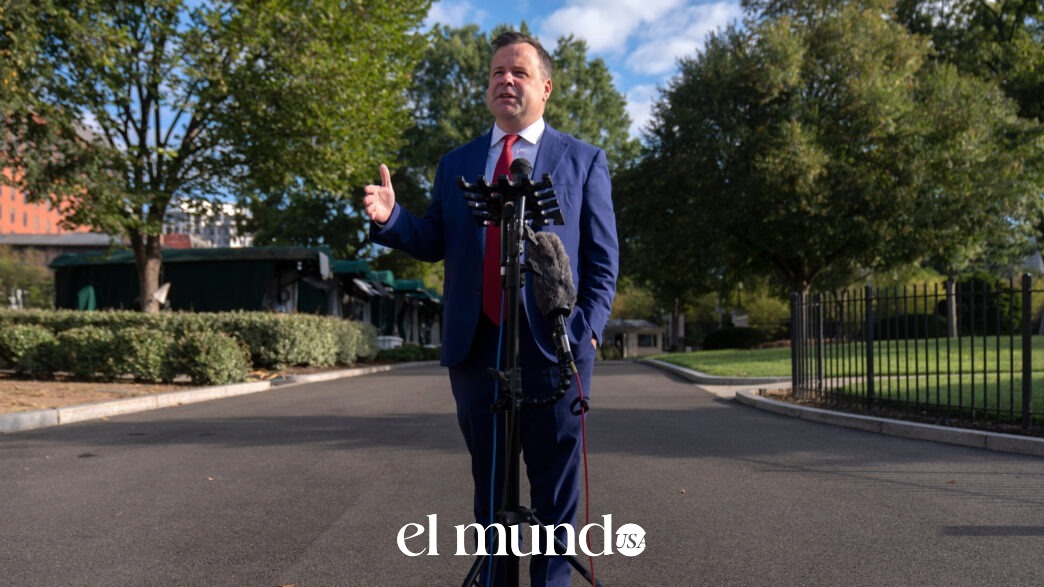
Why Trump chose Bill Pulte for a key intelligence role
Donald Trump’s recent decision to appoint Bill Pulte as acting head of one of the most sensitive areas of the U.S. federal government has come as a surprise to both Republicans and Democrats. His appointment as acting Director of National Intelligence, a position responsible for coordinating all U.S. intelligence agencies, has sparked intense debate over the criteria used to fill roles related to intelligence and national security.
Although Pulte has had a distinguished career in the financial sector and currently heads the Federal Housing Finance Agency, many observers question his lack of direct experience in matters related to espionage, counterintelligence, or international threat analysis.
A choice based on political trust
The most common explanation among U.S. analysts and media outlets points to a fundamental element of Trump’s leadership style. Personal loyalty remains one of the factors most highly valued by the president when selecting aides for high-level positions.
In recent years, Pulte has become one of Trump’s most visible defenders in the media and in public forums. His consistent support for the president’s positions has strengthened a political relationship that now appears to be translating into greater responsibilities within the administration.
For many experts, the appointment reflects political rather than technical logic. The ability to build trust within the presidential circle seems to have carried more weight than the specific experience required for a role involving highly sensitive information related to national security.
Pulte’s arrival also coincides with a particularly challenging time for Trump. Various issues have created pressure within sectors that traditionally support the MAGA movement, forcing the president to send stronger signals to his most loyal supporters.
In this context, promoting a figure fully identified with his political agenda serves as a show of strength to those demanding a tougher stance against Washington’s traditional institutions.
The decision takes on even greater significance because the official could remain in office for a period that includes the November midterm elections. Trump has repeatedly emphasized the need to safeguard the integrity of the electoral process, an issue that continues to occupy a prominent place in the U.S. political debate.
A political rather than institutional interpretation
The responsibilities associated with the position include tasks of enormous importance to national security. These include risk assessment, analysis of potential threats, and oversight of classified operations.
However, public discussion has focused less on these aspects and more on the political significance of the appointment. Pulte’s recent track record, marked by his closeness to Trump and his willingness to support the president’s priorities, fuels the perception that the decision is primarily a political strategy.
For that reason, many observers believe this move should be interpreted as a signal to the Republican base and as further evidence that Trump continues to prioritize political loyalty as one of the main criteria for selecting his inner circle.