A massive Everglades fire has burned more than 750 acres in Southwest Miami-Dade, with firefighting crews working tirelessly to contain the blaze that sparked on August 2, 2026. As of the morning of August 3, 2026, the fire remains 0% contained, though officials have confirmed no structures are threatened and no injuries have been reported.
Everglades Fire Details: What We Know So Far
The grass fire, dubbed the Bluegill Fire by the National Park Service, ignited on Sunday afternoon just south of the Tamiami Trail near the 25400 block. Multiple agencies responded to the emergency, including:
- Miami-Dade Fire Rescue units
- Florida Forest Service
- Everglades National Parks Service
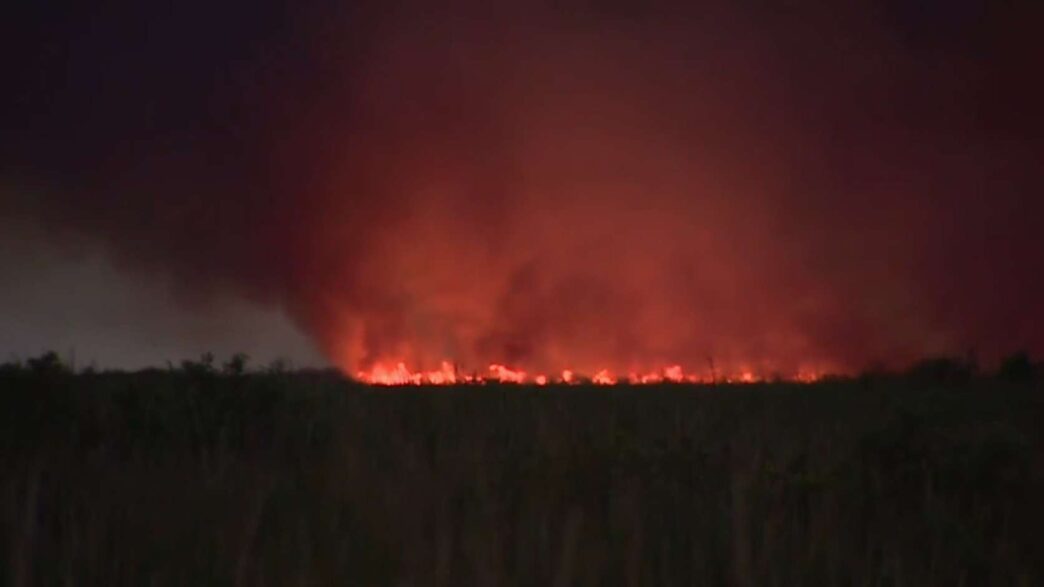
Bright orange flames illuminated the area near Everglades Safari Park as thick gray smoke billowed into the sky. The dramatic scene was visible for miles, with drivers along U.S. 41 capturing cellphone video of the fire and smoke spreading across the landscape.
A stretch of the highway was temporarily shut down due to the fire but eventually reopened to traffic. Late Sunday night, rainstorms rolled through the area, providing some assistance to crews battling the flames.
Current Status and Community Safety
Before sunrise on August 3, 2026, news cameras captured an orange glow in the distance, a stark reminder that the Everglades fire continues to burn. Aerial footage from 7Skyforce showed the extent of the blaze and the charred brush left in its wake.
Officials confirmed that the fire is not threatening any property, and no injuries have been reported as of Monday afternoon.
For residents in Southwest Miami-Dade and surrounding areas, this is reassuring news. However, the 0% containment status means firefighting efforts will continue in the coming hours and potentially days.
What Residents Should Know About Everglades Wildfires
Grass fires in the Florida Everglades are not uncommon, particularly during drier periods. For the Latin community living in Southwest Miami-Dade and nearby areas, understanding how these fires can impact daily life is essential.
Key considerations during an active Everglades fire include:
- Monitor local news for road closures, especially along U.S. 41 (Tamiami Trail)
- Watch for air quality alerts if smoke drifts into residential areas
- Keep windows closed if you notice smoke or haze in your neighborhood
- Avoid outdoor activities near affected areas until the fire is contained
The cause of the Bluegill Fire remains unclear as of August 3, 2026. Investigators will likely work to determine the origin once the flames are under control.
Understanding Fire Response in South Florida
The coordinated response between Miami-Dade Fire Rescue, the Florida Forest Service, and the Everglades National Parks Service demonstrates the collaborative approach required for fighting wildfires in this unique ecosystem.
The Everglades presents particular challenges for firefighters due to its vast wetland terrain, limited access roads, and the sheer size of potential burn areas. Natural factors like rainfall can assist containment efforts, as seen with the storms that arrived late Sunday night.
For families living near the Everglades or those who frequently travel along the Tamiami Trail for work or recreation, staying informed about fire conditions is crucial. Local authorities typically provide updates through official channels and news outlets.
Staying Safe and Informed
As the Everglades fire continues to burn with 0% containment, residents should remain vigilant but not alarmed. The fact that no structures are threatened and no injuries have occurred is positive news amid a challenging situation.
Those planning to visit Everglades Safari Park or other attractions along U.S. 41 should check current conditions before traveling. Road closures can occur with little notice when firefighting operations require it.
The Latin community in Southwest Miami-Dade has built strong roots in this region, and staying prepared for natural events like wildfires is part of living in South Florida. Keep emergency supplies accessible, know your evacuation routes, and follow official guidance from fire rescue and emergency management officials.