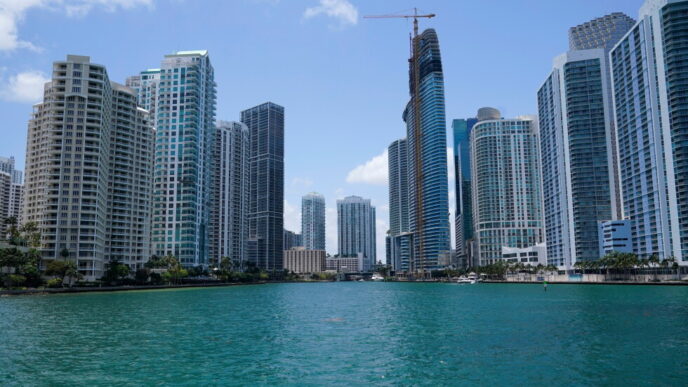
South Florida is facing an intensifying water crisis as severe drought conditions have now spread further eastward into Miami-Dade and Broward Counties. According to the National Weather Service office in Miami and the latest U.S. Drought Monitor report released on July 22, 2026, millions of residents are now living under concerning dry conditions that show no immediate signs of improvement.
The situation has deteriorated significantly in recent weeks, with western metropolitan areas of both counties now classified under severe drought status. Even more alarming, the far western portions of Miami-Dade and Broward Counties have escalated to extreme drought conditions, the second-highest classification on the drought intensity scale.
Understanding the Drought Classifications
The U.S. Drought Monitor categorizes drought intensity into five distinct levels, each representing progressively worse conditions:
- Abnormally Dry – Initial stage indicating below-normal precipitation
- Moderate Drought – Some damage to crops and water shortages developing
- Severe Drought – Crop and pasture losses likely, water shortages common
- Extreme Drought – Major crop and pasture losses, widespread water shortages
- Exceptional Drought – Exceptional and widespread crop losses, emergency water conditions
Currently, coastal and metropolitan areas of Palm Beach County are experiencing abnormally dry conditions, while coastal sections and parts of metro Miami-Dade and Broward Counties fall under moderate drought classification. Fortunately, no areas of South Florida have reached the exceptional drought category, though the situation remains serious.
The scope of this environmental crisis extends far beyond South Florida’s borders. Approximately 15.5 million Florida residents currently live in drought-affected areas, according to federal drought monitoring data. Adding historical context to the severity, this past June ranked as the 19th driest on record since 1895, underscoring the unusual nature of current conditions.
Everglades Wildlife Under Threat
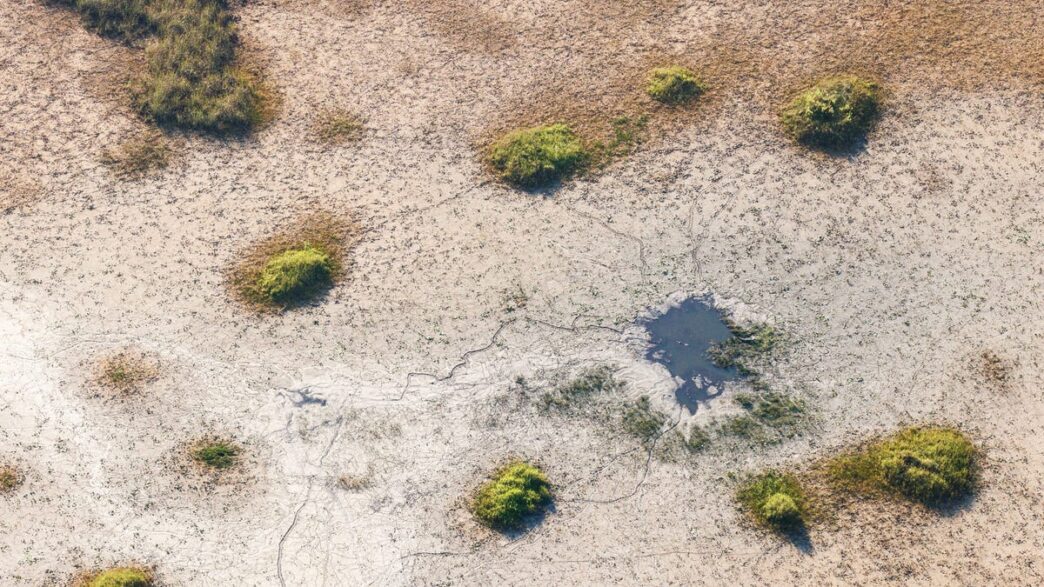
The prolonged drought has created devastating consequences for the delicate ecosystem of the Everglades, particularly affecting the region’s diverse wading bird populations. Researchers monitoring Florida Bay, a shallow lagoon partially located within Everglades National Park, have documented troubling declines in wildlife health.
“If they’re doing poorly, the Everglades is also doing poorly,” explained Shauna Sayers, a wading bird research specialist with the National Audubon Society, referring to roseate spoonbills and other indicator species that her team monitors throughout Florida Bay.
Sayers and her research team have observed that changes in freshwater flow throughout the Everglades system directly impact the plants and animals that depend on abundant water sources. The extended dry period has resulted in significant loss of small prey fish, disrupting the food chain that supports countless species throughout the ecosystem.
Wildfire Season Extended Beyond Normal Limits
Beyond the ecological damage to the Everglades, the drought has created dangerous conditions that have extended Florida’s wildfire season well past its typical duration. The Florida Forest Service has warned residents that hazardous fire conditions are expected to persist beyond the state’s normal dry period.
Under typical circumstances, Florida’s peak wildfire season encompasses April, May, and June. However, drought-like conditions have plagued the state since late 2025, fundamentally altering the normal seasonal patterns. Based on outlooks released by the National Interagency Fire Center, Florida can expect above-average wildfire potential to continue through July and potentially into August 2026.
The statistics paint a sobering picture of the fire danger facing the nation and Florida specifically:
- Nationwide, 41,236 fires have burned over 3.9 million acres since January 2026
- Florida alone has experienced more than 2,600 wildfires since the beginning of the year
- Over 175,000 acres have burned across the Sunshine State
- Current conditions represent one of the worst drought periods in years
Residents throughout South Florida are urged to remain vigilant about fire safety, water conservation, and staying informed about changing conditions. Local authorities continue monitoring the situation closely as communities adapt to what has become an extended period of environmental stress. The combination of drought conditions and elevated wildfire risk underscores the importance of community preparedness and responsible resource management during this challenging period.