Three hikers died in two separate incidents at Grand Canyon National Park this month, with officials saying the deaths appear to be heat-related. The victims, two men aged 72 and 67 and a 68-year-old woman, were found on trails in the park’s inner canyon on June 12 and June 16. Park officials announced the deaths on Friday and issued urgent warnings for visitors to avoid strenuous hiking during the hottest hours of the day.
The bodies were discovered along the South Kaibab Trail and North Kaibab Trail, two popular routes that descend into the canyon’s depths where summer temperatures can reach dangerous levels. All three victims have been taken to the Coconino County Medical Examiner’s Office, where official causes of death will be determined.
Main Developments
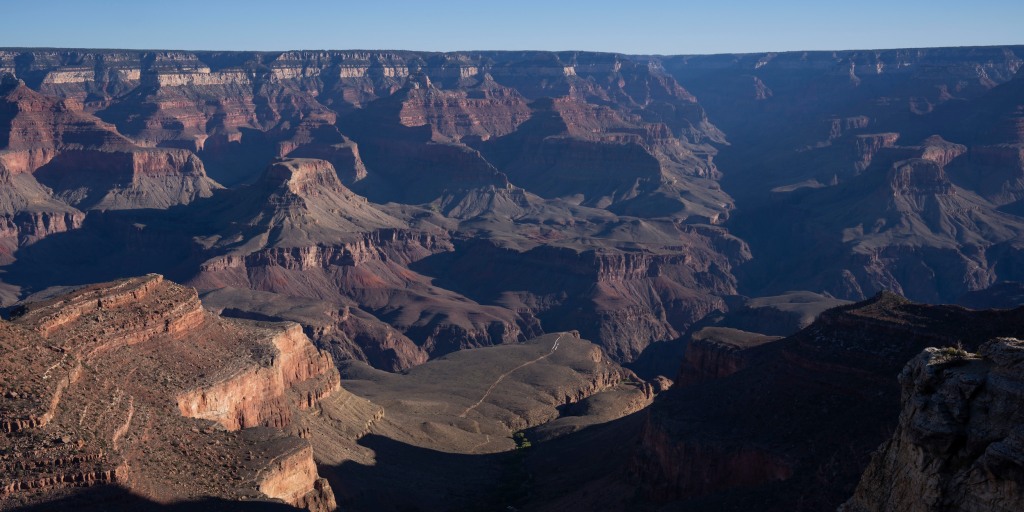
Grand Canyon National Park officials confirmed the three Grand Canyon heat deaths occurred during a period when the inner canyon experiences some of its most extreme temperatures. The park spans nearly 2,000 square miles in Arizona, with the inner canyon presenting unique dangers due to its enclosed geography and intense heat.
Summer temperatures in the inner canyon can reach 109 degrees Fahrenheit in the shade during midday hours. This extreme heat creates life-threatening conditions for hikers, particularly those who venture below the rim during peak afternoon temperatures.
The first incident occurred on June 12, and the second incident took place on June 16. Officials have not specified which victims were found on which date or the exact locations where each person was discovered. The identities of the three hikers have not been released to the public.
On Thursday, the park issued a warning urging visitors to limit strenuous hiking below the rim between 10 a.m. and 4 p.m., when temperatures are most dangerous. This advisory comes as millions of visitors travel to the Grand Canyon each year, many of whom may underestimate the physical demands and dangers of hiking in extreme heat.
What We Know So Far
Three hikers are confirmed dead following two separate incidents at Grand Canyon National Park. The victims include a 72-year-old man, a 67-year-old man, and a 68-year-old woman. All three deaths appear to be heat-related, though official confirmation from the Coconino County Medical Examiner’s Office is pending.
The bodies were found along two of the park’s most traveled inner canyon trails. The South Kaibab Trail and North Kaibab Trail both descend into areas where heat becomes trapped and temperatures soar well above those at the rim.
The incidents occurred on June 12 and June 16, 2026. Park officials made the announcement public on Friday, following the discovery and recovery of all three victims.
The park has not released the names of the victims or information about where they were from. Investigation into the circumstances of each death continues as medical examiners work to determine official causes.
What Happens Next
The Coconino County Medical Examiner’s Office will conduct examinations to officially determine the causes of death for all three hikers. Until those results are released, the deaths remain classified as apparent heat-related illnesses.
Park officials are expected to continue monitoring conditions and issuing heat warnings throughout the summer season. Visitors planning trips to Grand Canyon National Park should check current advisories before attempting any hikes below the rim.
The identities of the victims may be released pending notification of family members and completion of initial investigations.
Important Details
Grand Canyon National Park officials have issued specific guidance for visitors during the dangerous summer heat. The park recommends limiting strenuous hiking below the rim to hours outside the 10 a.m. to 4 p.m. window, when temperatures peak.
The inner canyon presents unique hazards that differ significantly from conditions at the rim. While the rim may have moderate temperatures, the canyon floor can be 20 to 30 degrees hotter due to its lower elevation and the way heat becomes trapped between the canyon walls.
Temperatures reaching 109 degrees Fahrenheit in the shade are possible during summer midday hours in the inner canyon. Hikers face additional dangers from the physical exertion required to climb back out of the canyon, which demands significantly more effort than the descent.
The park had more than 4 million visitors in 2025, making safety education a critical priority for park officials. Many visitors travel from regions with different climates and may not be accustomed to the extreme conditions found in the Arizona desert.
Grand Canyon Safety Record
Between 2014 and 2019, the park recorded 34 unintentional deaths. Falls were the leading cause of these fatalities during that period, though heat-related incidents remain a persistent concern during summer months.
Grand Canyon National Park had the 20th-highest death rate in the national park system between 2007 and 2021. This statistic reflects both the popularity of the park and the inherent dangers of its terrain and climate.
The deaths this month serve as a reminder of the serious risks associated with hiking in extreme heat conditions. Visitors of all ages and fitness levels can be vulnerable to heat-related illnesses when proper precautions are not taken.
Signs of Heat-Related Illness
Park officials urge visitors to be aware of the warning signs of heat exhaustion and heat stroke. Symptoms can include heavy sweating, weakness, cold or pale skin, nausea, vomiting, and fainting. Heat stroke, a more severe condition, may present with high body temperature, hot and red skin, rapid pulse, and confusion.
Hikers experiencing any symptoms of heat-related illness should stop physical activity immediately, seek shade or cooler temperatures, and hydrate. Those with severe symptoms require immediate medical attention.
The park recommends that hikers carry adequate water, wear appropriate clothing, start hikes early in the morning before temperatures rise, and know their physical limits. Turning back before reaching a destination is always preferable to pushing through dangerous conditions.
Frequently Asked Questions
How hot does it get in the Grand Canyon inner canyon?
Summer temperatures in the inner canyon can reach 109 degrees Fahrenheit in the shade during midday hours. The canyon floor is significantly hotter than the rim due to its lower elevation and heat-trapping geography.
What times should hikers avoid in the Grand Canyon during summer?
Park officials recommend limiting strenuous hiking below the rim between 10 a.m. and 4 p.m., when temperatures are at their most dangerous levels.
How many people visit Grand Canyon National Park each year?
Grand Canyon National Park had more than 4 million visitors in 2025, making it one of the most popular national parks in the United States.
Where did the deaths occur at Grand Canyon?
The three victims were found on the South Kaibab Trail and North Kaibab Trail, both located in the park’s inner canyon area.
The three deaths at Grand Canyon National Park this month highlight the serious dangers of hiking in extreme heat conditions. Park officials continue to urge visitors to take all necessary precautions when exploring the inner canyon during summer months. Anyone planning a trip to the park should check current weather conditions and heat advisories before attempting hikes below the rim.