

The U.S. Equal Employment Opportunity Commission (EEOC) filed a subpoena enforcement action against Nike Inc. on February 4, 2026, alleging the company engaged in discriminatory employment practices against white workers. The action involves Nike’s Diversity, Equity, and Inclusion (DEI) programs, which the EEOC contends resulted in adverse treatment of employees based on race.
The EEOC’s complaint asserts that Nike’s DEI initiatives violated federal laws that prohibit employment discrimination on the basis of race, particularly concerning treatment of white employees. The agency has also publicly encouraged white men who believe they have experienced workplace discrimination to file complaints.
This investigation and subsequent enforcement action come amid broader scrutiny of corporate diversity programs and their potential legal implications under Title VII of the Civil Rights Act of 1964. The law forbids employers from discriminating based on race, color, religion, sex, or national origin.
The EEOC’s subpoena demands records and other information related to Nike’s hiring, promotion, and disciplinary practices to determine whether white workers received less favorable treatment compared to other employees. The commission’s move indicates that it found sufficient cause to pursue enforcement to obtain these records after initial investigative efforts.
Legal experts say such enforcement actions reflect increasing regulatory and legal examination of employer DEI efforts, especially those asserting preferential treatment based on race or ethnicity. Companies nationwide have invested heavily in DEI programs, but the legal boundaries remain a topic of contention and litigation.
Nike, a multinational corporation headquartered in Oregon, has publicly emphasized its commitment to diversity and inclusion as part of its corporate strategy. Nike’s DEI initiatives have included targeted recruitment, training, and internal policies intended to improve representation of minorities and women within the company.
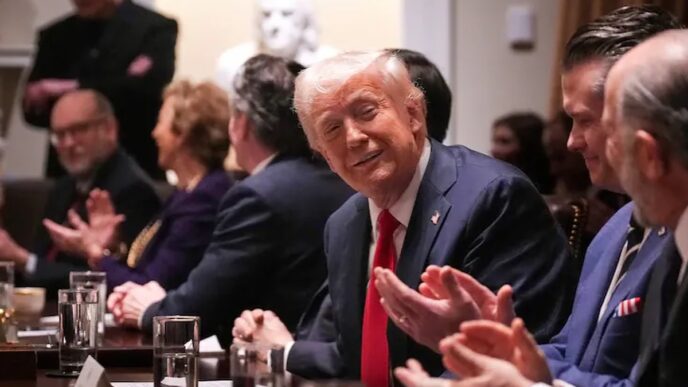
The EEOC’s enforcement action follows the Trump administration’s appointment of leadership that increased investigations into alleged reverse discrimination claims, focusing on white employees alleging bias in favor of minority groups. This case represents part of that shift in enforcement priorities.
The federal agency’s public call for complaints from white men alleging workplace discrimination underscores a renewed emphasis on addressing all forms of race-based employment discrimination claims, including those affecting majority groups.
As of February 2026, Nike has not publicly disclosed its legal response or any settlement discussions related to the EEOC’s subpoena and allegations. The case remains active, with the EEOC seeking to gather fuller information to determine whether formal charges will follow.