A new hospitality concept rooted in traditional Japanese culture has reached U.S. soil with the opening of an onsen ryokan in Sharon Springs, New York. This property provides an authentic experience of Japan’s time-honored inns, combining traditional communal hot spring baths with bespoke Japanese-style lodging. It marks a pioneering step by Hoshino Resorts to create an American destination that captures the essence of onsen ryokan hospitality, a format previously exclusive to Japan.
Features of Traditional Ryokan Hospitality at the New Establishment
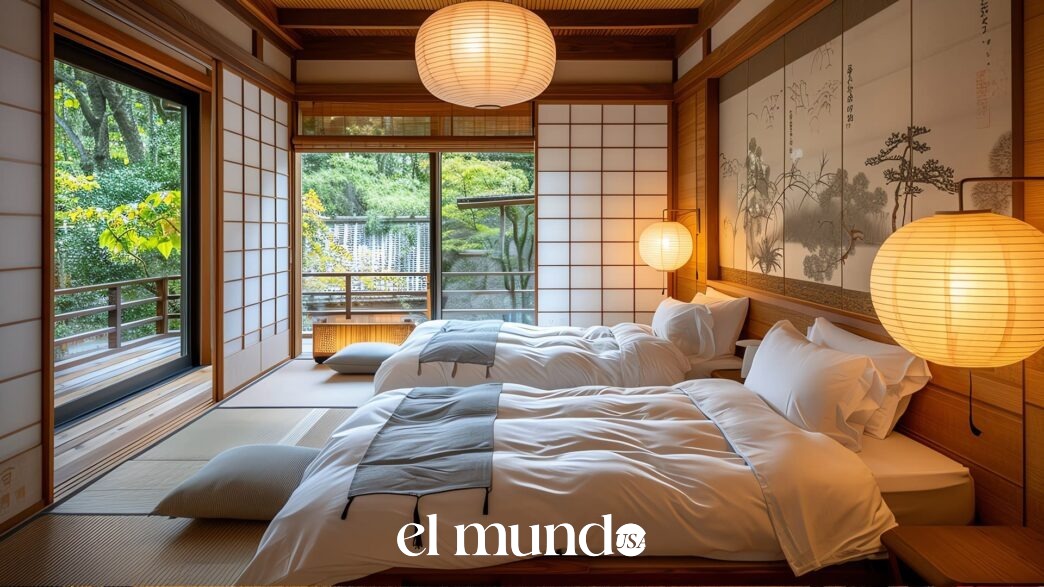
Ryokans are traditional Japanese inns known for tatami-matted rooms, sliding paper doors, and an emphasis on harmony with nature and immersive cultural experiences. They often include communal baths, called onsen, which come from natural hot springs and offer a ritualistic bathing experience reflecting centuries-old customs. Guests typically wear yukata gowns and participate in multi-course kaiseki meals that highlight seasonal Japanese cuisine.
This new establishment in New York translates these elements into a U.S. context, providing travelers an opportunity to experience an authentic onsen ryokan without traveling to Japan. It includes communal baths heated to traditional temperatures, meticulously designed tatami rooms, and a Japanese-style dining experience that follows local sourcing and aesthetics. The project reflects a growing interest in Japanese culture and wellness practices across the United States, especially in spa and wellness destinations inspired by Asian traditions.
Ryokan-Style Retreats Across the United States
Similar ryokan-style retreats have appeared in other parts of the country, such as the Goldenrod Inn in upstate New York’s Finger Lakes region and the Gaige House + Ryokan in Sonoma Valley, California. These accommodations reinterpret ryokan design and hospitality to accommodate American travelers seeking tranquility and cultural authenticity. The Goldenrod Inn offers a ryokan-inspired bed-and-breakfast with hot spring baths and traditional decor, while Gaige House focuses on a zen retreat ambiance with Japanese design elements and spa services.
Cultural Significance and Wellness Trends
Ryokans gained global recognition as immersive stays beyond mere lodging, offering cultural hospitality called omotenashi, which involves careful attention to guests’ comfort and ritualized service. Their rooms often feature tatami straw mats, futon bedding, and sliding shoji doors, creating a minimalist but warm atmosphere. Kaiseki meals, an integral part of ryokan stays, are carefully prepared multi-course dinners that balance taste, texture, and presentation, reflecting local ingredients and seasonality.
The introduction of an authentic onsen ryokan in New York represents the merging of traditional Japanese inn culture with American hospitality trends emphasizing wellness, cultural experience, and connection to nature. The project aligns with a broader movement that saw a rise in Japanese-style wellness spas and retreats in the U.S., offering practices such as onsen bathing, tea ceremonies, and Zen garden contemplation.
Ryokan-style accommodations remain scattered throughout Japan, especially in hot spring regions and scenic countryside, where visitors combine the ryokan experience with sightseeing. In the U.S., this model also meets demand from travelers looking for unique, culturally rich experiences with an emphasis on relaxation and mindfulness.
Significance of the Onsen Ryokan in Sharon Springs
The onsen ryokan in Sharon Springs provides a rare chance for Americans to partake in an age-old Japanese tradition in an accessible environment. It includes heated mineral baths, tatami-floored rooms, and curated Japanese meals, meeting strict criteria for cultural authenticity set by the developers. As one of the few fully realized Japanese onsen ryokans outside Japan, it sets a standard for future hospitality developments inspired by Japanese culture within the United States.