Restaurant diners across the United States are increasingly turning away from the traditional practice of ordering wine bottles for the table, opting instead for individual drinks, wine by the glass, or premium non-alcoholic alternatives. According to the Premium On-Trade Wine Report 2026 released by Liberty Wines, this shift reflects changing consumer priorities driven by health-conscious living and growing awareness of restaurant pricing.
The trend marks a significant change in American dining culture, where sharing a bottle of wine has long been considered a social ritual. Industry experts say the U.S. wine industry is now facing one of its worst downturns in decades as younger consumers reduce their alcohol intake and baby boomers age out of the market.
Main Developments in Restaurant Wine Ordering
The Liberty Wines report indicates that consumer habits have shifted dramatically from group bottle orders to individual drink choices. According to the report, “We believe habits have shifted away from a group ordering a bottle of (typically red) wine to share with dinner in favor of the individuals in the group choosing their own preferred drink.”
Sri Divel, founder of The Culinary CMO, a California-based marketing and brand strategy firm, explained the economic psychology behind this change. “Two glasses at $14 to $18 each feels manageable. An $80 bottle feels like a commitment,” Divel said.
This price sensitivity has been amplified by technology. Consumers can now check retail wine prices on their smartphones while dining, allowing them to compare restaurant markups in real time. This transparency has made diners more hesitant to commit to full bottles when they can calculate the premium they are paying.
Rise of Non-Alcoholic Alternatives
Non-alcoholic beverages have emerged as the fastest-growing sector of the alcohol market, and restaurants are responding by developing sophisticated zero-proof programs. These mocktail offerings are now priced similarly to craft cocktails, reflecting their complexity and the investment restaurants make in creating them.
Divel described the evolution of these alcohol-free options. “What we’re seeing now is a real push into non-alcoholic spirits and zero-proof programs that carry the same price point as a craft cocktail,” she said.
The quality of modern mocktails has improved dramatically from previous decades. “These aren’t the soda-and-lime mocktails of 10 years ago. These are muddled, multi-step builds — far more intricate than what we’re used to seeing, with house-made syrups, fresh herbs, smoked elements, the works,” Divel explained.
The True Cost of Restaurant Drinks
Vinny Catalano, the California-based influencer behind the Vines with Vinny Instagram account, provided a real-world example of current restaurant drink pricing. “She had an $18 mocktail, and I had a $27 martini. The total with tax was $49, plus tip. We did not eat, yet we paid over $60 for two drinks,” Catalano shared.
This pricing structure illustrates why many diners are reconsidering their beverage choices. When a single cocktail costs $16 or more, and mocktails command $18, the total bill for drinks alone can rival the cost of food at many establishments.
What We Know So Far
The Premium On-Trade Wine Report 2026 from Liberty Wines confirms several key trends reshaping the restaurant beverage landscape. Consumer preferences have moved away from shared bottles toward individual selections. Health-conscious living has become a primary factor in beverage decisions. Rising costs and awareness of restaurant markups have made diners more price-sensitive.
The U.S. wine industry is experiencing a significant downturn attributed to generational shifts. Younger consumers are actively cutting back on alcohol consumption, while baby boomers, who have traditionally been strong wine purchasers, are aging out of the market.
Restaurants have adapted by investing in premium non-alcoholic programs that can generate similar revenue to alcoholic beverages while meeting customer demand for sophisticated alternatives.
What Happens Next
Monika Elling, CEO and founder of Lo Secco Prosecco, a New York-based zero-sugar Prosecco company, offered insight into how the wine industry might adapt. “I feel that more bottles would actually be sold if people weren’t intimidated about talking to sommeliers,” Elling suggested, pointing to customer education as a potential path forward.
For diners seeking value, Elling provided practical advice about wine service. “If the wine has been opened that day and served the same day, then there’s little difference in the taste of the wine,” she noted, suggesting that wine by the glass can offer quality comparable to bottles.
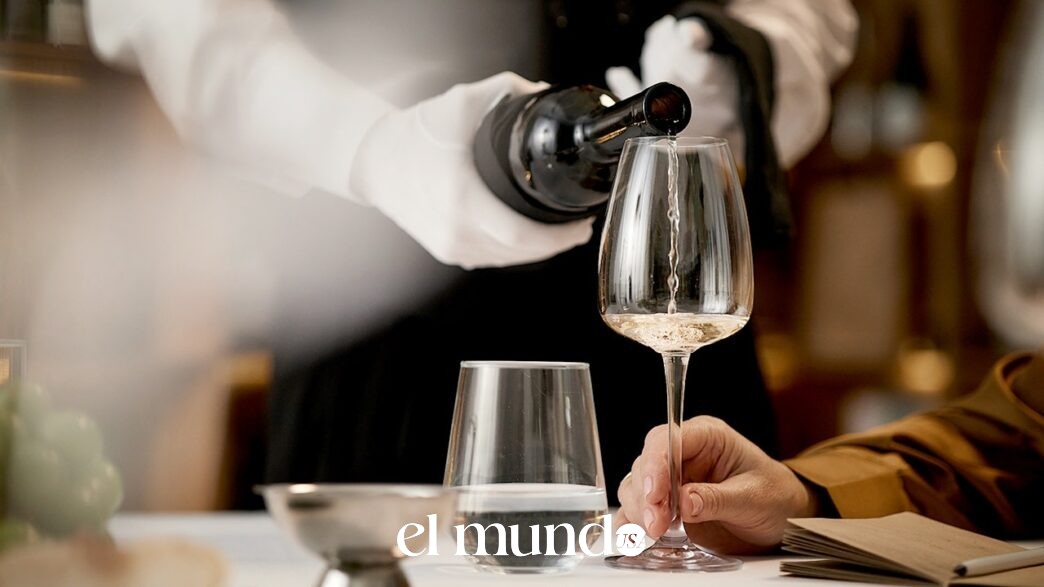
However, Elling acknowledged what may be lost in the transition away from bottle service. She described what she considers “the romance of the experience of popping a bottle table-side,” suggesting that while practical considerations drive current trends, the traditional bottle experience retains emotional value for some diners.
Important Details for Restaurant Diners
Current restaurant pricing shows wine by the glass ranging from $14 to $18. Full bottles of wine commonly cost around $80. Standard cocktails are priced at approximately $16, while premium options like martinis can reach $27. Mocktails now command prices around $18, reflecting their increased complexity.
For diners concerned about value, one option is to bring your own bottle to restaurants that allow it and pay the corkage fee, which may result in savings compared to the restaurant markup.
Smartphones allow customers to instantly compare restaurant wine prices with retail costs, giving diners information to make informed decisions about whether bottle orders represent good value for their specific situation.
Frequently Asked Questions
Why are fewer people ordering wine bottles at restaurants?
According to the Liberty Wines Premium On-Trade Wine Report 2026, diners have shifted from group bottle orders to individual drink choices due to health-conscious living, rising costs, and awareness of restaurant markups that can be checked on smartphones.
How much do restaurant mocktails cost compared to cocktails?
Modern mocktails at restaurants are now priced similarly to craft cocktails. Examples include mocktails at $18 and martinis at $27. Restaurants have developed sophisticated zero-proof programs with house-made syrups, fresh herbs, and smoked elements that justify premium pricing.
Is the U.S. wine industry in decline?
The U.S. wine industry is experiencing one of its worst downturns in decades, according to industry reports. The decline is attributed to younger consumers cutting back on drinking while baby boomers age out of the market.
Industry Adaptation to Changing Preferences
The restaurant industry continues to evolve its beverage programs in response to these shifts. Non-alcoholic options have moved from afterthoughts to featured menu items, with establishments investing in training, equipment, and premium ingredients to create compelling alcohol-free alternatives.
Wine service is adapting as well, with by-the-glass programs expanding to give diners flexibility without the commitment of a full bottle. This approach addresses the preference for individual choice that the Liberty Wines report identified as a driving factor in current consumer behavior.
The changes reflect broader shifts in how Americans approach dining and drinking, with personal choice, health considerations, and value awareness playing increasingly important roles in beverage decisions at restaurants throughout the country.