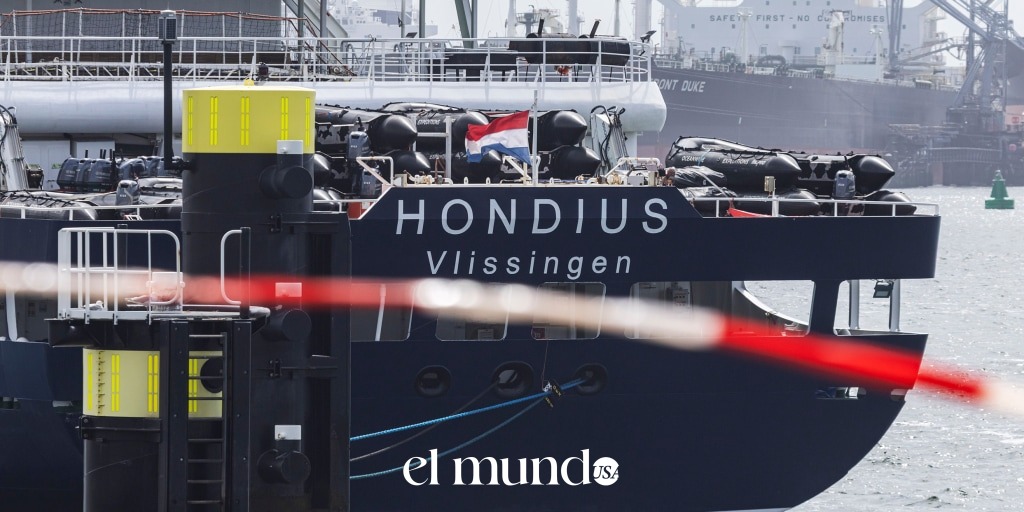
The World Health Organization has confirmed a 12th case of hantavirus connected to the MV Hondius cruise ship after a crew member tested positive for the virus. The outbreak, which has now claimed three lives, has prompted an extensive international response with over 600 contacts being monitored across 30 countries.
The newly confirmed patient, a crew member who had disembarked in Tenerife, has been repatriated to the Netherlands for isolation and treatment. The MV Hondius vessel itself arrived in the Netherlands last week to undergo disinfection procedures as health authorities work to contain the outbreak.
Main Developments
The cruise departed from Ushuaia, Argentina on April 1 carrying almost 150 people on board. Since then, 12 individuals have tested positive for hantavirus, with three deaths recorded. According to health officials, no new deaths have occurred since May 2, when the outbreak was first reported to the World Health Organization.
Laboratory analysis has confirmed that infected individuals have the Andes strain of hantavirus, which is particularly concerning because it can be transmitted from person to person. This characteristic distinguishes it from most other hantavirus strains, which typically spread only through contact with infected rodents or their droppings.
WHO Director-General Tedros Adhanom Ghebreyesus addressed the ongoing situation, stating, “We continue to urge affected countries to monitor all passengers and crew carefully for the remainder of the quarantine period.”
He added, “Once again, I thank the many countries that have cooperated in the response and the epidemiological investigation.”
What We Know So Far
The MV Hondius cruise ship set sail from Ushuaia, Argentina on April 1 with approximately 150 passengers and crew members. The vessel operated as an expedition cruise, though specific details about the itinerary have not been fully disclosed.
Twenty crew members and two medical staff have disembarked in the Netherlands, where the ship is currently undergoing disinfection. Among the passengers affected by the outbreak, 18 Americans are currently under quarantine in their home country.
The outbreak has triggered a massive international contact tracing effort, with over 600 individuals being followed across 30 different countries. This extensive monitoring reflects the global nature of the cruise ship passenger list and the serious nature of the Andes strain’s person-to-person transmission capability.
Oceanwide Expeditions, the company associated with the vessel, has stated that “indications strongly suggest that the virus was introduced prior to embarkation and did not originate from the vessel itself.” However, the origin of the virus remains under investigation.
What Happens Next
Health authorities across multiple countries will continue monitoring contacts for the remainder of the quarantine period. The incubation period for hantavirus can extend up to six weeks, meaning close surveillance of exposed individuals must continue for an extended timeframe.
The epidemiological investigation is ongoing as officials work to determine the precise origin of the outbreak. While the cruise operator has suggested the virus was introduced before passengers boarded, no definitive conclusions have been reached about how the outbreak began.
The MV Hondius will remain in the Netherlands as disinfection procedures are completed. The 20 crew members and two medical staff who disembarked there will continue to be monitored as part of the broader public health response.
Important Details
Hantavirus presents a serious health threat, and the Andes strain identified in this outbreak is particularly significant due to its ability to spread between humans. Most hantavirus strains spread only through contact with infected rodents or exposure to their urine, droppings, or saliva. The person-to-person transmission capability of the Andes strain requires heightened precautions.
The timeline of the outbreak is as follows:
The cruise departed Ushuaia, Argentina on April 1. The outbreak was first reported to the World Health Organization on May 2, which is also when the last deaths were recorded. As of May 22, 2026, 12 cases have been confirmed with three fatalities.
Passengers who traveled on the MV Hondius have dispersed to their home countries, where local health authorities are responsible for monitoring and quarantine enforcement. The 18 Americans identified among the passengers are observing quarantine protocols in the United States.
The international cooperation required to manage this outbreak has been extensive, with 30 countries involved in contact tracing efforts. Health officials continue to emphasize the importance of careful monitoring throughout the full incubation period.
Understanding the Outbreak Response
The World Health Organization has taken a leading role in coordinating the international response to this outbreak. Director-General Tedros Adhanom Ghebreyesus has publicly acknowledged the cooperation of multiple countries in managing the situation and conducting the epidemiological investigation.
The scale of the response reflects both the seriousness of the Andes strain and the unique challenges presented by an outbreak aboard an international cruise vessel. Passengers and crew from numerous countries were potentially exposed during the voyage, requiring coordinated efforts across borders.
The disinfection of the MV Hondius in the Netherlands represents one component of the containment strategy. Ensuring the vessel is free of contamination before any future operations is essential for preventing additional exposures.
Frequently Asked Questions
How many people have died from the hantavirus cruise ship outbreak?
Three deaths have been reported in connection with the MV Hondius hantavirus outbreak. No new deaths have occurred since May 2, when the outbreak was first reported to the World Health Organization.
How long is the incubation period for hantavirus?
The incubation period for hantavirus can be up to six weeks. This extended timeframe is why health authorities continue to monitor over 600 contacts across 30 countries for symptoms.
Can the Andes strain of hantavirus spread between people?
Yes, the Andes strain of hantavirus, which has been identified in infected individuals from this outbreak, can be transmitted from person to person. This distinguishes it from most other hantavirus strains, which typically spread only through contact with infected rodents.
How many Americans are affected by this outbreak?
Eighteen Americans who were passengers on the MV Hondius are currently under quarantine in their home country as part of the outbreak response.
Where did the cruise ship depart from?
The MV Hondius departed from Ushuaia, Argentina on April 1 with almost 150 people on board.
The investigation into the hantavirus outbreak on the MV Hondius continues as health authorities maintain surveillance of exposed individuals across 30 countries. With the incubation period extending up to six weeks, monitoring will remain active for the coming weeks as officials work to prevent further spread of the Andes strain.