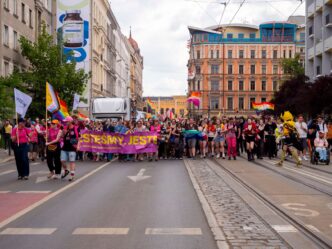
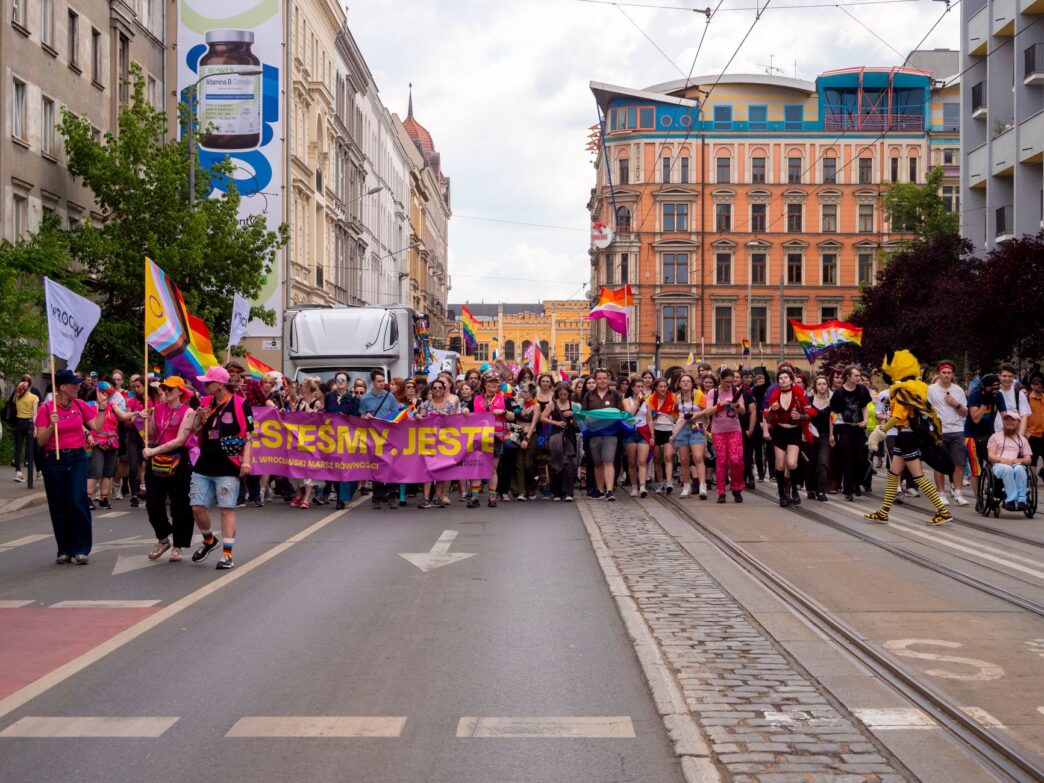
Tens of thousands of people gathered in Budapest on Saturday, June 27, 2026, for the 31st annual Budapest Pride march, marking the first celebration since former Prime Minister Viktor Orbán was voted out of power in April. The event proceeded with police authorization and security, a stark contrast to last year when marchers defied an official ban.
The march took place under extreme heat conditions, with temperatures reaching at least 100 degrees Fahrenheit. Participants started at Budapest’s Opera house and crossed the Erzsébet Bridge over the Danube River, with organizers distributing water bottles and city authorities opening fountains along the route to help attendees cope with the heat.
Main developments
The Budapest Pride march represents a significant shift in the political landscape surrounding LGBTQ+ rights in Hungary. Orbán’s government, which held power for 16 years, passed legislation and a constitutional amendment to outlaw Pride over a year ago. Despite that ban, last year’s Pride drew an estimated 350,000 attendees who gathered in defiance of the prohibition.
Orbán was defeated by Péter Magyar and his Tisza party in the April 2026 election. While the new government under Prime Minister Magyar has not repealed the anti-LGBTQ+ legislation enacted during the Orbán era, authorities took a different approach to this year’s event by authorizing the march and providing police security.
In April 2026, the European Union’s highest court ruled that Orbán-era legislation from 2021 banning LGBTQ+ content to minors violates EU law. This ruling added international legal context to the ongoing debate about LGBTQ+ rights in Hungary.
What we know so far
The 31st annual Budapest Pride proceeded on June 27, 2026, with police authorization and security presence. The march route began at Budapest’s Opera house and crossed the Erzsébet Bridge spanning the Danube River. Temperatures exceeded 100 degrees Fahrenheit during the event, prompting organizers to distribute water bottles while the city opened fountains along the march route.
This marks the first Budapest Pride since the April 2026 election that removed Viktor Orbán from power after 16 years. His government had passed laws and constitutional amendments outlawing the Pride march. The new government led by Prime Minister Péter Magyar and the Tisza party has not yet repealed those anti-LGBTQ+ laws.
Last year’s Pride, held in defiance of the ban, drew an estimated 350,000 attendees. The EU’s highest court ruled in April 2026 that the 2021 Orbán-era legislation banning LGBTQ+ content to minors violates European Union law.
Participant reactions
Pride participants described a noticeably different atmosphere at this year’s event compared to previous years. Luca Új, attending for the third time, observed the changed mood among marchers.
“There used to be a lot of tension. But now I see people as being somehow happier, and there are more older people, too,” Új said.
Kristóf Györgyi, a first-time Pride participant from Szeged, expressed cautious optimism about the shifting political environment while acknowledging that legal changes have not yet occurred.
“The fact that there’s already a debate in Parliament about whether an orphaned child is better off with a same-sex couple or in an orphanage is a positive sign,” Györgyi said.
“Obviously, the laws haven’t changed yet, but there are already many signs of hope for our community,” Györgyi added.
What happens next
The anti-LGBTQ+ legislation passed during the Orbán era remains in effect under the current government. While police authorized this year’s Pride march, the legal framework governing LGBTQ+ rights in Hungary has not been modified since the change in government.
The April 2026 EU court ruling that found the 2021 law banning LGBTQ+ content to minors in violation of EU law may influence future legislative discussions, though the Hungarian government has not announced specific plans regarding the legislation.
Important details
The extreme heat posed a challenge for participants during the Saturday march. With temperatures reaching at least 100 degrees Fahrenheit, organizers and city authorities implemented measures to protect attendees. Water bottles were distributed by event organizers, and fountains along the march route were activated by city officials.
The route from Budapest’s Opera house across the Erzsébet Bridge over the Danube River followed a path through central Budapest. Police provided security throughout the event, marking a change from the previous government’s approach of banning the march entirely.
The 16-year Orbán government had taken an increasingly restrictive stance toward LGBTQ+ rights, culminating in legislation and constitutional amendments designed to prevent Pride events. The estimated 350,000 people who attended last year’s banned Pride demonstrated significant public support for the event despite official prohibition.
Political context
Viktor Orbán served as Prime Minister of Hungary for 16 years before being defeated in the April 2026 election. His government passed legislation in 2021 banning LGBTQ+ content to minors, which the EU’s highest court ruled in April 2026 violates EU law.
Péter Magyar, leader of the Tisza party, won the April election and now serves as Prime Minister. The new government’s decision to authorize the Pride march and provide police security represents a different approach than the previous administration, though the underlying legislation has not been changed.
Frequently asked questions
When did Budapest Pride 2026 take place?
The 31st annual Budapest Pride march took place on Saturday, June 27, 2026. The march started at Budapest’s Opera house and crossed the Erzsébet Bridge over the Danube River.
Has Hungary repealed anti-LGBTQ+ laws since Orbán left office?
No, the new government under Prime Minister Péter Magyar has not repealed the anti-LGBTQ+ legislation passed during the Orbán era. However, police authorized the Pride march and provided security, unlike under the previous government.
How many people attended Budapest Pride in 2025?
Last year’s Budapest Pride, which took place in defiance of an official ban, drew an estimated 350,000 attendees. Exact attendance figures for the 2026 march have not been confirmed.
What was the EU court ruling about Hungarian LGBTQ+ laws?
In April 2026, the European Union’s highest court ruled that Orbán-era legislation from 2021 banning LGBTQ+ content to minors violates EU law.
Who is the current Prime Minister of Hungary?
Péter Magyar, leader of the Tisza party, is the current Prime Minister of Hungary. He defeated Viktor Orbán in the April 2026 election, ending 16 years of Orbán’s government.
The 31st annual Budapest Pride march proceeded under police authorization for the first time since the Orbán government implemented restrictions on the event. Participants gathered despite extreme heat conditions, with first-time and returning attendees describing a changed atmosphere following the April election that brought new leadership to Hungary.