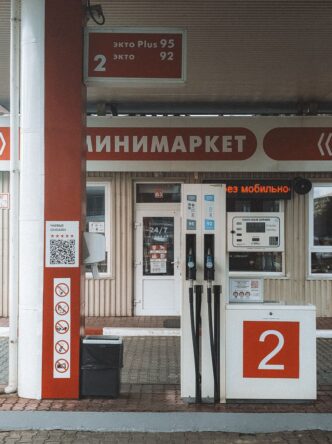
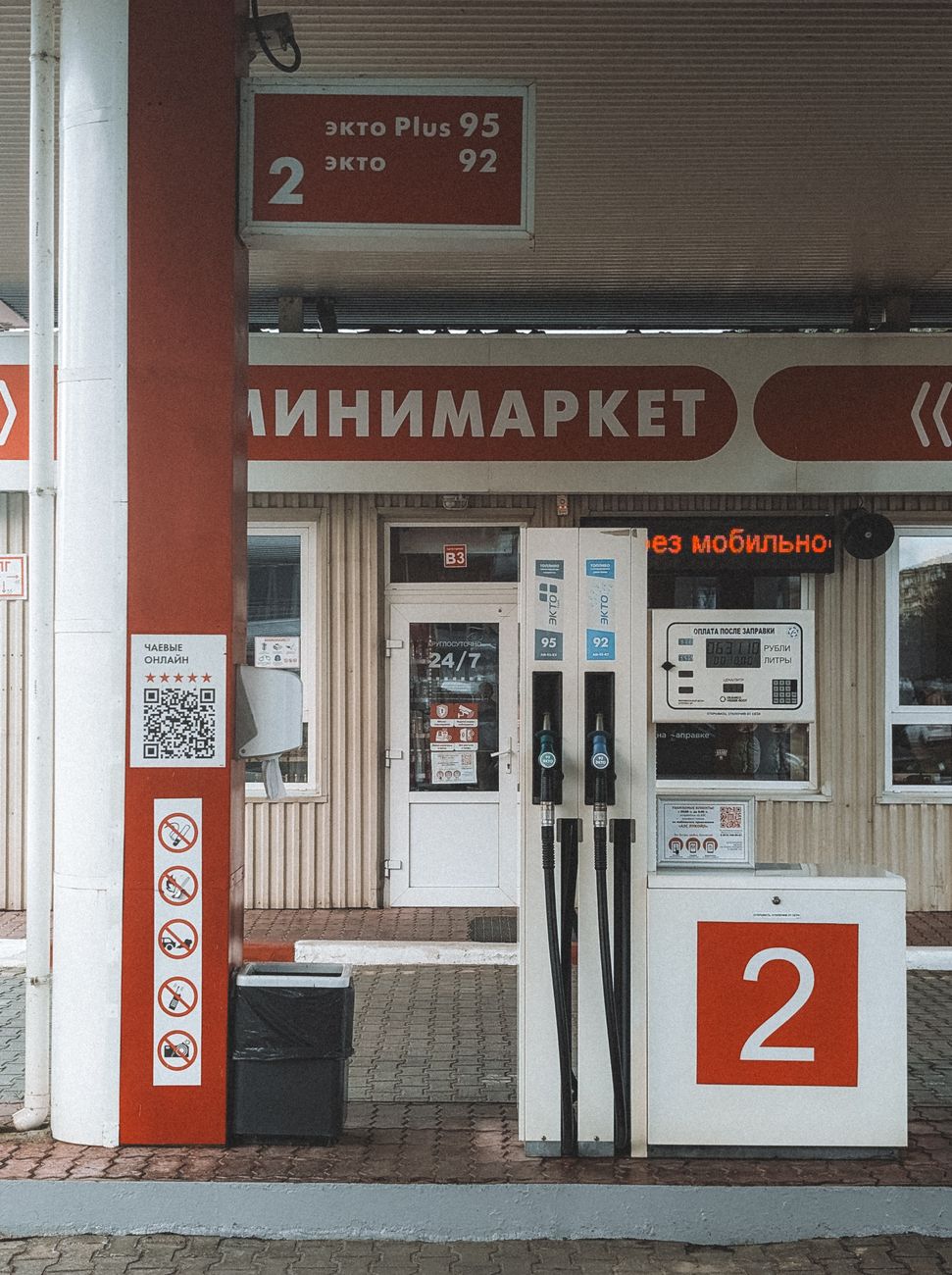
Russian President Vladimir Putin publicly acknowledged for the first time on Sunday, June 29, 2026, that Russia is facing fuel shortages following Ukrainian attacks deep inside the country. The admission came during a government meeting called to address distribution problems that have caused mile-long lines at gas stations across Russia, including occupied Crimea.
The acknowledgment represents a significant shift from the Kremlin’s typical messaging about the war’s impact on Russian daily life. Crimea declared a state of emergency on Friday, June 27, 2026, as the fuel crisis intensified following Ukraine’s recent large-scale drone assault that struck targets across 12 Russian regions, including Moscow and St. Petersburg.
Main developments
Putin addressed the fuel crisis during a Sunday government meeting, confirming that a task force is working to alleviate supply issues across the country. The Russian leader acknowledged the impact of Ukrainian strikes on infrastructure while attempting to downplay the severity of the situation.
“These attacks on our infrastructure facilities do create problems, that is obvious,” Putin said during the meeting. However, he added that “the problems that have arisen are not of a critical nature.”
Despite Putin’s characterization, the evidence suggests substantial disruption. Russian authorities are now considering a ban on diesel exports as one measure to address domestic supply shortages. The emergency meeting itself, held on a Sunday, indicates the urgency with which the Kremlin is treating the situation.
Putin framed the challenges within a broader patriotic context, stating: “We are going through a difficult period, but this has taught us a great deal, and allowed us to grasp the very essence of what it means to be a Russian citizen.”
The Russian president also pledged continued security efforts despite the infrastructure damage. “Yes, we see the problems, we are aware of them and are responding to them, but we will certainly ensure the security of both the country and our citizens, as well as the inviolability of Russia’s borders,” Putin said.
What we know so far
Ukraine recently launched one of its largest drone assaults since the start of the war more than four years ago. The attack struck targets across 12 Russian regions, including the capital Moscow and St. Petersburg, causing significant damage to energy infrastructure.
A major attack on a Moscow oil refinery occurred on June 18, 2026, as part of the ongoing Ukrainian campaign against Russian energy facilities. Fuel shortages in Yevpatoriya, Crimea, were documented as early as June 11, 2026, indicating the crisis had been building for weeks before Putin’s public acknowledgment.
Crimea’s state of emergency declaration on Friday formalized what residents had been experiencing through mile-long gas station lines. The occupied peninsula has been particularly vulnerable to supply disruptions.
Ukrainian Foreign Minister Andriy Sybiha responded to the developments, stating: “We continue our operations that weaken Russia’s ability to wage this war.” He added: “The longer Putin refuses to accept the reality that he will never achieve any goals on the battlefield, the worse things will get for Russia.”
Military situation on the ground
While Russia faces energy infrastructure challenges, Russian forces continue advancing toward Kostyantynivka in eastern Ukraine. Russian state news agency Tass claimed that Russian forces gained full control of Kostyantynivka’s eastern part.
However, the Institute for the Study of War disputes this characterization, saying parts of Kostyantynivka remain a contested gray zone. The situation on the ground appears fluid, with competing claims from both sides about territorial control.
Peace proposal developments
Ukraine has proposed a mutual halt to long-range strikes as a potential step toward peace negotiations. Putin rejected this proposal, characterizing it as an attempt by Ukraine to protect itself from more damaging Russian retaliation.
“The reason for such a proposal is obvious: our retaliatory strikes deep inside Ukrainian territory are far more powerful, more painful and, frankly speaking, more destructive, causing truly serious consequences for the Kyiv regime,” Putin said.
U.S. President Donald Trump and Ukrainian President Volodymyr Zelenskyy remain key figures in ongoing diplomatic discussions, though specific recent negotiations have not been detailed.
What happens next
The Russian government task force will continue working to address fuel distribution problems across the country. Authorities are evaluating a potential ban on diesel exports, though no specific timeline for a decision has been announced.
Crimea’s state of emergency will remain in effect as officials work to stabilize fuel supplies in the occupied peninsula. The emergency declaration allows for additional measures to manage distribution and address the crisis.
Ukraine has indicated it will continue operations targeting Russian infrastructure as part of its war strategy. The campaign against energy facilities appears designed to create sustained pressure on Russian domestic conditions and military logistics.
Important details
Residents across Russia, including in occupied Crimea, have experienced mile-long lines at gas stations as the fuel shortage affects daily life. The crisis represents one of the most visible domestic impacts of the war for ordinary Russians.
The scale of the recent Ukrainian drone campaign, striking 12 regions simultaneously, demonstrates increased Ukrainian capability to conduct operations deep inside Russian territory. Moscow and St. Petersburg, Russia’s two largest cities, were among the targeted areas.
The potential diesel export ban would represent a significant economic measure, affecting Russia’s energy trade relationships with other countries. No specific details about the scope or duration of such a ban have been released.
Frequently asked questions
Why did Putin acknowledge fuel shortages now?
Putin publicly acknowledged fuel shortages on June 29, 2026, during a government meeting called to address distribution problems. The admission came after Crimea declared a state of emergency and mile-long gas station lines became impossible to ignore.
How many Russian regions were hit by Ukrainian drones?
Ukraine launched drone strikes across 12 Russian regions in its recent large-scale assault, including Moscow and St. Petersburg. This represented one of Ukraine’s largest drone operations since the war began more than four years ago.
Is Russia banning fuel exports?
Russian authorities are considering a ban on diesel exports to address domestic supply shortages. No final decision or implementation timeline has been announced as of June 29, 2026.
What is happening in Crimea?
Crimea declared a state of emergency on Friday, June 27, 2026, due to fuel shortages. Fuel problems in the occupied peninsula were documented as early as June 11, 2026, in areas like Yevpatoriya.
Are Russian forces still advancing in Ukraine?
Russian forces continue advancing toward Kostyantynivka in eastern Ukraine despite energy sector challenges. However, claims of full control over parts of the city are disputed, with analysts describing some areas as a contested gray zone.
The fuel shortage acknowledgment marks a rare public admission by Putin of domestic difficulties stemming from the war. The coming days will show whether the task force measures and potential export restrictions can stabilize supplies across Russia and occupied territories.