As scorching temperatures and oppressive humidity continue to grip much of the country on July 22, 2026, millions of American families are watching their electricity bills skyrocket. The relentless summer heat has air conditioning units working overtime, pushing energy costs to levels that strain household budgets across the nation.
For Latino families in the United States, many of whom are already managing tight budgets while supporting extended family members, finding ways to reduce utility costs has become more important than ever. The good news is that with some strategic adjustments, you can stay cool without breaking the bank.
Understanding Your Energy Consumption
Before implementing any savings strategies, it is essential to understand where your energy dollars are going. During summer months, air conditioning typically accounts for the largest portion of residential electricity use, often representing up to 70% of your total bill. This means that even small changes in how you cool your home can translate into significant savings.
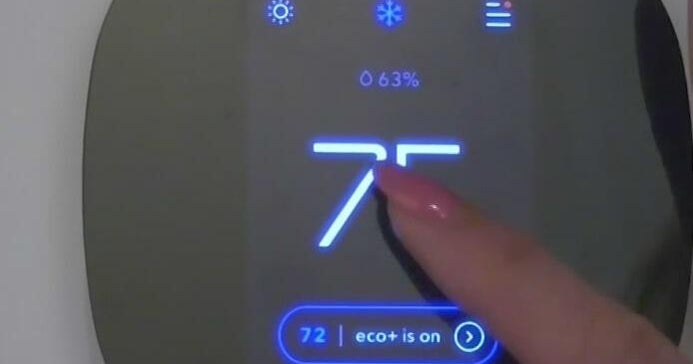
Smart thermostats have become increasingly popular and affordable, allowing homeowners to monitor and control their energy usage in real-time. These devices can learn your family’s schedule and automatically adjust temperatures when no one is home, preventing unnecessary cooling of empty rooms.
“With this stretch of summer heat putting a strain on your wallet, there are ways to help you save on your electric bill,” energy experts advise families looking to manage their household expenses during the hottest months of the year.
Practical Tips to Lower Your Electric Bill
Implementing energy-saving measures does not require a complete home renovation. Many of the most effective strategies are simple, low-cost changes that any household can adopt immediately. Here are proven methods to reduce your electricity consumption during hot weather:
- Adjust your thermostat wisely: Set your air conditioner to 78 degrees Fahrenheit when you are home and raise it higher when you are away. Each degree higher can save you approximately 3% on cooling costs.
- Use ceiling fans strategically: Ceiling fans use significantly less energy than air conditioning and can make a room feel up to 4 degrees cooler. Remember to turn them off when leaving the room, as fans cool people, not spaces.
- Block out the sun: Close blinds, curtains, and shades during the hottest parts of the day, especially on south and west-facing windows. This simple step can reduce indoor temperatures by several degrees.
- Seal air leaks: Check windows and doors for gaps where cool air might escape. Weather stripping and caulking are inexpensive solutions that can make a big difference.
- Maintain your AC unit: Change air filters monthly during heavy use periods and schedule annual professional maintenance to ensure your system runs efficiently.
Another often overlooked strategy involves reducing heat-generating activities during peak hours. Cooking with your oven, running the dishwasher, and doing laundry all produce heat that your air conditioner must then work harder to remove. Consider grilling outdoors, using a microwave or slow cooker, and running major appliances early in the morning or late at night when temperatures are cooler.
Taking Advantage of Utility Programs
Many electric companies offer special programs designed to help customers manage their energy costs, particularly during summer months. These may include:
- Time-of-use rate plans that offer lower prices during off-peak hours
- Budget billing programs that spread your annual costs evenly across twelve months
- Rebates for purchasing energy-efficient appliances
- Free home energy audits to identify areas for improvement
- Assistance programs for low-income families struggling to pay their bills
Contact your local utility provider to learn about available options. Many companies also offer online tools and mobile apps that allow you to track your daily energy usage and identify patterns that may be driving up your costs.
For families in Florida, Texas, Arizona, and other states with particularly harsh summer weather, these savings strategies become even more critical. The combination of high temperatures and high humidity means air conditioning systems must work exceptionally hard, making every efficiency improvement count toward keeping bills manageable.
As climate patterns continue to bring more extreme heat events, developing good energy habits now will serve families well into the future. By implementing these practical tips and staying informed about available assistance programs, Latino families across the United States can maintain comfortable homes while protecting their household budgets during even the most challenging summer weather conditions.