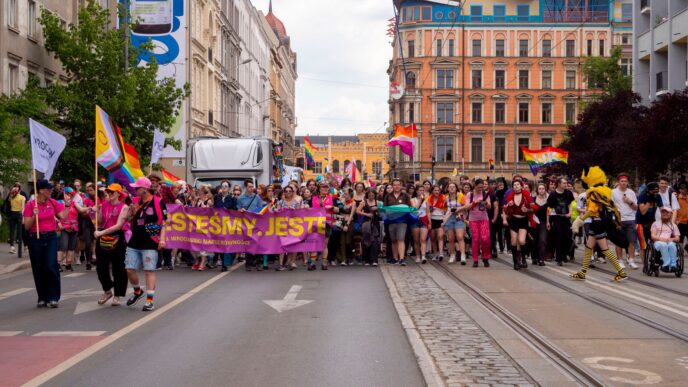
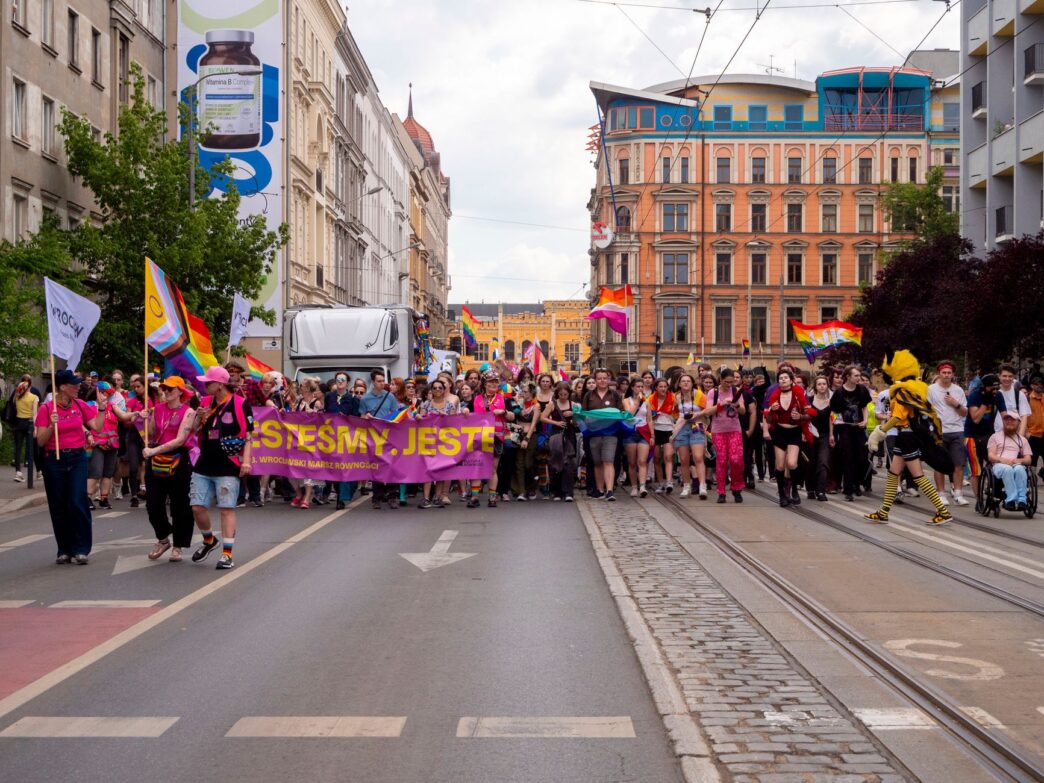
Tens of thousands of people filled the streets of Budapest on Saturday, June 27, 2026, for the 31st annual Budapest Pride march, the first such event since former Prime Minister Viktor Orbán was voted out of office in April. Participants braved temperatures exceeding 100 degrees Fahrenheit as they marched from the Budapest Opera house through the city center, crossing the Erzsébet Bridge over the Danube River while waving rainbow flags.
The event marks a significant shift for Hungary’s LGBTQ+ community. Under Orbán’s 16-year rule, his government passed legislation and a constitutional amendment to outlaw Pride more than a year ago. Despite those restrictions, last year’s Pride march drew an estimated 350,000 attendees who gathered in defiance of the ban.
A Changed Political Landscape
The April election brought center-right challenger Péter Magyar and his Tisza party to power, ending Orbán’s long tenure as Prime Minister. While the new government has not repealed the Orbán-era anti-Pride legislation, police authorized this year’s march and provided security for participants.
In a related development, the European Union’s highest court ruled in April 2026 that the 2021 Orbán-era legislation banning LGBTQ+ content for minors violates EU law. This ruling came as Hungary’s political transition was underway.
Participants at Saturday’s march noted a different atmosphere compared to previous years. The authorization from police and the security presence represented a departure from the confrontational stance of the former government.
Participants Describe Changed Mood
Luca Új, attending Budapest Pride for the third time, observed a noticeable difference in the event’s atmosphere.
“There used to be a lot of tension. But now I see people as being somehow happier, and there are more older people, too,” Új said.
For Kristóf Györgyi, a first-time Pride participant who traveled from Szeged, the political changes have brought cautious optimism to Hungary’s LGBTQ+ community.
“The fact that there’s already a debate in Parliament about whether an orphaned child is better off with a same-sex couple or in an orphanage is a positive sign,” Györgyi said.
Györgyi acknowledged that concrete legal changes have not yet occurred but expressed hope for the future.
“Obviously, the laws haven’t changed yet, but there are already many signs of hope for our community,” Györgyi said.
What We Know So Far
The 31st annual Budapest Pride march took place on Saturday, June 27, 2026. This is the first Pride event since Viktor Orbán’s defeat in the April election. Temperatures during the march reached at least 100 degrees Fahrenheit. The march route began at the Budapest Opera house, proceeded through the city center, and crossed the Erzsébet Bridge over the Danube River.
Police authorized and provided security for this year’s event, a change from the previous government’s approach. However, the anti-Pride legislation passed under Orbán remains in effect. The new government under Prime Minister Péter Magyar has not repealed these laws.
Last year’s Budapest Pride, held in defiance of the Orbán-era ban, attracted an estimated 350,000 participants. Exact attendance figures for the 2026 march have not been released.
What Happens Next
The future of LGBTQ+ rights legislation in Hungary remains uncertain. While the new government authorized this year’s Pride march and police provided security, the Orbán-era anti-Pride legislation has not been repealed.
The EU court ruling from April 2026, which found that the 2021 legislation banning LGBTQ+ content for minors violates EU law, may influence future policy discussions. Parliamentary debates regarding LGBTQ+ issues, including discussions about same-sex couple adoption rights, appear to be taking place according to participants at the march.
Specific details about what steps the new government may take regarding LGBTQ+ rights or any timeline for potential changes to existing legislation have not been announced.
Extreme Heat Conditions
Saturday’s march took place under extreme heat conditions, with temperatures reaching at least 100 degrees Fahrenheit in Budapest. Despite the challenging weather, tens of thousands of participants completed the march route from the Opera house to the Erzsébet Bridge.
The Erzsébet Bridge, which spans the Danube River, served as a central point along the march route as participants crossed through Budapest’s city center waving rainbow flags.
Historical Context of Budapest Pride
This year’s event marked the 31st annual Budapest Pride march. The celebration has continued through various political challenges over the years.
Viktor Orbán served as Prime Minister of Hungary for 16 years before being voted out in the April 2026 election. During his tenure, his government passed legislation and a constitutional amendment aimed at outlawing Pride events more than a year before this year’s march.
The 2021 legislation that banned LGBTQ+ content for minors became a point of legal contention with the European Union, culminating in the April 2026 ruling by the EU’s highest court that the law violates EU law.
The New Government’s Position
Prime Minister Péter Magyar and the Tisza party came to power following their April election victory over Orbán. The center-right party has taken a different approach to Pride events, with police authorizing and providing security for this year’s march.
However, the new government has not taken action to repeal the anti-Pride legislation enacted under Orbán. The contrast between authorizing the event while maintaining existing legislation has created a situation where hope exists among LGBTQ+ community members, but concrete legal changes have not occurred.
Frequently Asked Questions
When was Budapest Pride 2026 held?
The 31st annual Budapest Pride march took place on Saturday, June 27, 2026, starting at the Budapest Opera house and crossing the Erzsébet Bridge over the Danube River.
Why is this year’s Budapest Pride significant?
This is the first Budapest Pride march since former Prime Minister Viktor Orbán was voted out in the April 2026 election. His government had passed legislation and a constitutional amendment to outlaw Pride more than a year ago.
Has Hungary repealed its anti-LGBTQ+ legislation?
No. While the new government under Prime Minister Péter Magyar authorized this year’s Pride march and police provided security, the Orbán-era anti-Pride legislation remains in effect and has not been repealed.
What did the EU court rule about Hungary’s LGBTQ+ laws?
In April 2026, the EU’s highest court ruled that the 2021 Orbán-era legislation banning LGBTQ+ content for minors violates EU law.
How many people attended Budapest Pride this year?
Tens of thousands of people participated in the 2026 Budapest Pride march. Exact attendance figures have not been released. Last year’s Pride, held in defiance of the Orbán-era ban, had an estimated 350,000 attendees.
The 2026 Budapest Pride march represents a moment of transition for Hungary’s LGBTQ+ community. While participants marched freely under police protection for the first time since the Orbán government fell, the legal framework restricting LGBTQ+ rights remains unchanged. The EU court ruling against the 2021 legislation and ongoing parliamentary discussions suggest the situation continues to develop.