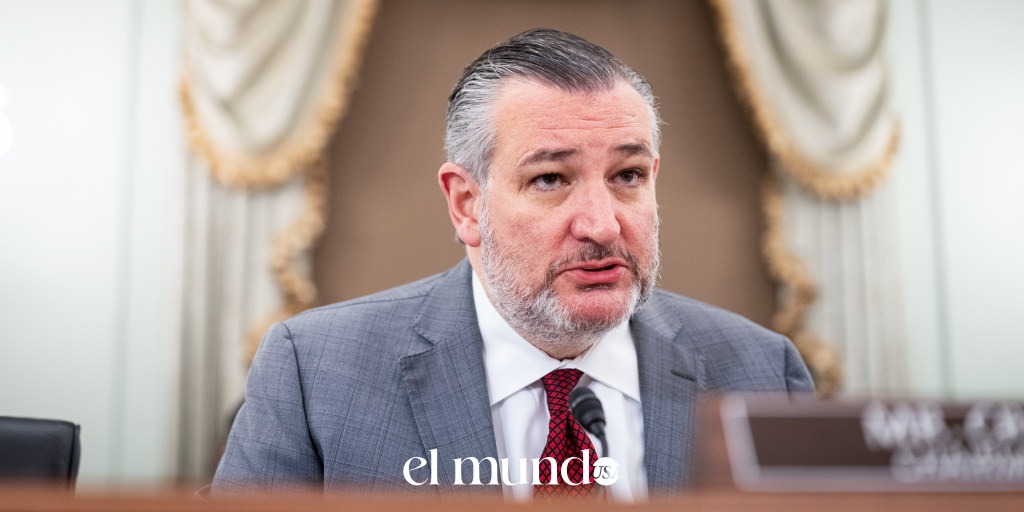
Senator Ted Cruz described a closed-door meeting between Senate Republicans and acting Attorney General Todd Blanche on Thursday as one of the roughest meetings he has seen in his entire time in the Senate. The contentious gathering at the U.S. Capitol in Washington D.C. focused on the Trump administration’s $1.8 billion anti-weaponization fund, which has drawn opposition from both Republicans and Democrats.
The meeting was so heated that it derailed a planned vote on a Republican bill to fund ICE and Border Patrol. Cruz warned that if the fund is not modified before Congress returns on June 1, the administration faces a full revolt from Senate Republicans.
Main developments
According to Senator Cruz, approximately 45 senators were present in the meeting room, and at least half of them criticized Blanche directly. Cruz stated that multiple senators accused the fund of appearing like self-dealing by President Trump.
“Fiery does not begin to cut it. My guess is there’re probably 45 senators in the room, at least half of them were blasting the attorney general, and they were pissed,” Cruz said.
The Texas senator provided a stark description of the meeting’s intensity. “I got to tell you, the Republican senators were pissed — people were the entire meeting. They were screaming at the acting attorney general, and he was trying to lay out the legal basis,” Cruz explained, adding that he believes “the legal basis is quite sound.”
Cruz described what he called “the degree of the jailbreak of Republicans who were bolting, who were saying we’re going to vote with the Democrats.” He warned that “they’ve got a full-on revolt in the Senate.”
What we know so far
The anti-weaponization fund was announced on Monday, May 19, after President Trump dropped his $10 billion lawsuit against the IRS. Trump also dropped claims related to the 2022 Mar-a-Lago search and matters connected to the Russian collusion scandal from 2016.
Multiple senators accused the fund of appearing like self-dealing. Cruz reported that “there were multiple senators yelling at the attorney general, saying this feels like self-dealing.” Critics have characterized the arrangement as Trump having “cut a deal with himself.”
Senator Thom Tillis, Republican from North Carolina, called the fund a “payout pot for punks” and said he believes “the administration is putting itself in a bad spot.”
Senator Bill Cassidy, Republican from Louisiana, expressed concerns that “Congress has had no input” on the fund. He called “the notion of the federal government doling out compensation to rioters” both “absurd and offensive.”
Bipartisan opposition emerges
The opposition to the anti-weaponization fund crosses party lines. Democratic Senator Dick Durbin of Illinois sent a letter to Blanche on Wednesday, May 21, raising concerns about the fund.
On the same day, Republican Representative Brian Fitzpatrick of Pennsylvania also sent a letter to Blanche. Fitzpatrick joined with Democratic Representative Tom Suozzi of New York to introduce bipartisan legislation that would prohibit federal money from being used by the fund.
The Justice Department responded to the controversy with a statement saying “the Administration appreciated yesterday’s conversation and feedback. We look forward to additional conversations as needed.”
What happens next
The Senate is scheduled to return to session on June 1, 2026. Cruz has warned that if the fund is not modified before that date, the administration can expect a full revolt from Republican senators.
The meeting on Thursday was so contentious that it derailed a planned vote on a Republican bill to fund ICE and Border Patrol. The future of that legislation remains uncertain given the internal divisions over the anti-weaponization fund.
The bipartisan legislation introduced by Representatives Suozzi and Fitzpatrick to prohibit federal funding for the anti-weaponization initiative represents another potential obstacle for the administration’s plans.
Important details
The anti-weaponization fund is valued at $1.8 billion. It was announced following President Trump’s decision to drop a $10 billion lawsuit against the IRS.
The meeting between Blanche and Senate Republicans took place on Thursday, May 22, 2026, at the U.S. Capitol. According to Cruz, roughly 45 senators attended, with at least half expressing criticism of the acting attorney general.
Senator Cruz acknowledged that Blanche attempted to explain the legal basis for the fund during the meeting. While Cruz stated he believes “the legal basis is quite sound,” this did not appear to satisfy the majority of senators present.
The Justice Department did not respond to requests for comment regarding Cruz’s characterization of the meeting as one of the roughest in his Senate career.
Key figures involved
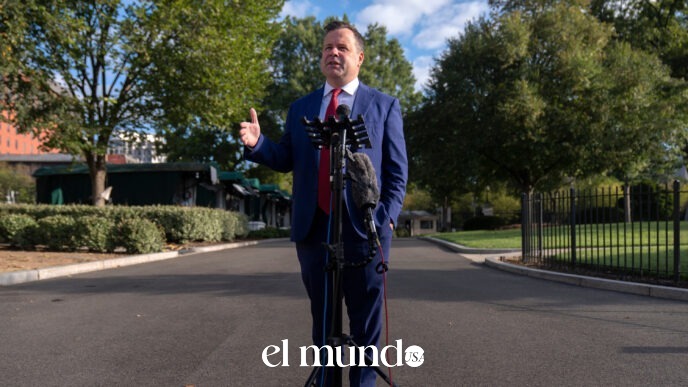
Todd Blanche is serving as acting Attorney General and was the administration official who faced criticism during the closed-door meeting.
Senator Ted Cruz of Texas provided the most detailed public account of the meeting through his description of the events.
Senator Thom Tillis of North Carolina characterized the fund as a “payout pot for punks.”
Senator Bill Cassidy of Louisiana criticized the lack of congressional input and called compensation to certain individuals “absurd and offensive.”
Representatives Tom Suozzi and Brian Fitzpatrick have led the bipartisan effort in the House to block federal funding for the initiative.
Frequently asked questions
What is the anti-weaponization fund?
The anti-weaponization fund is a $1.8 billion initiative announced by the Trump administration on Monday, May 19, 2026. It was announced after President Trump dropped his $10 billion lawsuit against the IRS and claims related to the 2022 Mar-a-Lago search and the Russian collusion scandal.
Why are Republican senators opposed to the fund?
Multiple Republican senators accused the fund of appearing like self-dealing by President Trump. Senator Cruz reported that senators were yelling at the acting attorney general, saying the arrangement feels like the president “cut a deal with himself.” Senator Cassidy criticized the lack of congressional input.
When does the Senate return to session?
The Senate is scheduled to return to session on June 1, 2026. Senator Cruz has warned that if the anti-weaponization fund is not modified before that date, the administration faces a full revolt from Republican senators.
Is there legislation to block the fund?
Yes. Representatives Tom Suozzi, a Democrat from New York, and Brian Fitzpatrick, a Republican from Pennsylvania, introduced bipartisan legislation to prohibit federal money from being used by the fund.
The contentious meeting between Senate Republicans and acting Attorney General Todd Blanche represents a significant moment of internal conflict within the party over the Trump administration’s anti-weaponization fund. With the Senate returning June 1 and bipartisan opposition mounting in both chambers, the administration faces substantial challenges in moving forward with the $1.8 billion initiative without modifications.