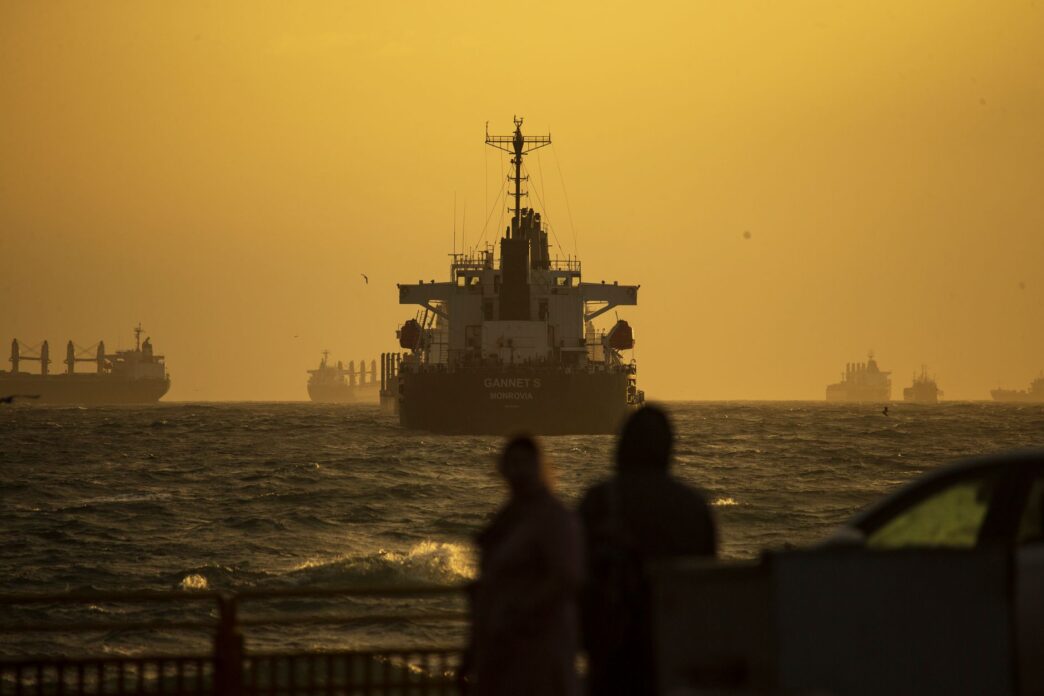
Ships have begun sailing through the Strait of Hormuz under a new United Nations evacuation scheme, marking the first organized movement of vessels stranded in the Persian Gulf following a ceasefire framework between the United States and Iran. The International Maritime Organization announced the initiative on Tuesday, June 23, 2026, and vessels started passing under the plan on Wednesday, June 24, 2026.
The operation aims to evacuate hundreds of ships carrying approximately 11,000 seafarers who have been stranded in the Gulf. At least two dry bulk ships and one cargo ship have already passed through the critical waterway in the past 12 hours, with at least 35 other commercial ships preparing to transit.
Main Developments in the Strait of Hormuz Evacuation
The UN International Maritime Organization evacuation scheme represents a significant development for maritime traffic in one of the world’s most strategically important shipping lanes. The initiative took months to conclude and began operations after the United States and Iran reached a ceasefire framework.
The scheme offers two routes for vessels seeking to exit the Gulf. The first is a northern route that passes through Iranian waters. The second is a southern route coordinated through Oman and US-controlled waters. This dual-route system provides options for vessels depending on their circumstances and preferences.
According to tracking data from LSEG and MarineTraffic, the waiting vessels include a diverse array of commercial ships. Among them are dry bulk carriers, cargo ships, container vessels, five smaller oil tankers, coastal ships, and tugs. All these vessels have been waiting for the opportunity to safely transit through the strait.
What We Know So Far
The International Maritime Organization confirmed that ships have already begun to pass under the plan as of Wednesday. The agency has issued guidance for vessels participating in the evacuation scheme, emphasizing the need for orderly coordination.
Officials have stated that vessels should wait for instructions before proceeding through the strait. The maritime agency warned that crowding the waiting area will only result in the need to pause further notifications for the safety of navigation.
The scale of the operation is substantial. Approximately 11,000 seafarers aboard hundreds of ships are set to benefit from this coordinated evacuation effort. The diversity of vessels waiting to transit demonstrates the broad impact the situation has had on commercial shipping in the region.
Prior to this UN-coordinated scheme, the US military had launched a separate mission to help ships exit the strait. The new IMO initiative now provides a formal international framework for the evacuation process.
What Happens Next
With at least 35 commercial ships currently preparing to sail through the strait, maritime traffic through the Hormuz passage is expected to continue in the coming days. The two available routes give vessel operators flexibility in planning their transit.
Ship captains and operators have been instructed to await specific notifications before attempting to pass through the waterway. This coordinated approach aims to prevent congestion and maintain safe navigation conditions for all vessels involved in the evacuation.
The IMO continues to oversee the operation, managing the flow of vessels through both the northern Iranian-waters route and the southern Oman and US-coordinated route.
Important Details About the Evacuation Routes
The dual-route system established under the IMO scheme provides critical options for stranded vessels. The northern route passes through Iranian territorial waters, while the southern route is coordinated between Oman and the United States.
Vessels must follow proper procedures and wait for official instructions before attempting transit. The maritime agency has emphasized that disregarding these protocols could compromise the safety of the entire operation and potentially delay further evacuations.
The Strait of Hormuz connects the Persian Gulf to the Gulf of Oman and the Arabian Sea. It serves as a critical chokepoint for global maritime commerce, making the successful implementation of this evacuation scheme significant for international shipping operations.
Scale of the Stranded Fleet
The fleet of stranded vessels represents a significant concentration of commercial shipping capacity. The approximately 11,000 seafarers aboard these ships have been awaiting a safe passage solution.
Among the vessels preparing to transit are at least 35 commercial ships of various types. The waiting fleet includes dry bulk carriers designed to transport commodities, cargo ships carrying goods, container vessels, five smaller oil tankers, coastal ships operating regional routes, and tugs providing maritime support services.
The successful transit of at least three vessels in the past 12 hours demonstrates that the evacuation scheme is operational and functioning as intended.
International Coordination Efforts
The IMO evacuation scheme represents months of coordination to establish safe passage protocols. The initiative came together following the ceasefire framework reached between the United States and Iran.
The involvement of multiple parties in establishing the two transit routes reflects the international nature of the effort. Iranian authorities are facilitating passage through the northern route, while Oman and US forces are coordinating the southern passage.
This multi-national coordination aims to ensure the safe evacuation of all stranded vessels while maintaining stability in the strategic waterway.
Frequently Asked Questions
How many ships are stranded in the Persian Gulf?
Hundreds of ships carrying approximately 11,000 seafarers are stranded in the Gulf. At least 35 commercial ships are currently preparing to transit through the Strait of Hormuz under the new evacuation scheme.
What routes are available for ships to exit through Hormuz?
Two routes are available under the UN International Maritime Organization scheme. The northern route passes through Iranian waters, while the southern route is coordinated through Oman and US-controlled waters.
When did ships start passing through the Strait of Hormuz?
Ships began passing under the UN evacuation plan on Wednesday, June 24, 2026. The International Maritime Organization announced the initiative on Tuesday, June 23, 2026. At least two dry bulk ships and one cargo ship have passed through in the past 12 hours.
What types of vessels are waiting to evacuate?
The waiting vessels include dry bulk carriers, cargo ships, container vessels, five smaller oil tankers, coastal ships, and tugs.
Maritime Safety Protocols in Effect
The International Maritime Organization has established clear protocols for vessels participating in the evacuation. Ship operators have been advised to maintain positions and await specific instructions before attempting to transit the strait.
Officials have warned against crowding the waiting area, stating that such actions could force a pause in further transit notifications. The safety of navigation remains the priority for the coordinating agencies managing the evacuation.
The coordinated approach ensures orderly movement through the strait while minimizing risks to vessels and their crews. As more ships receive clearance and complete their transit, the evacuation of the remaining stranded fleet will continue under the established IMO framework.